

Setting the Stage for a Portable Gaming Shift
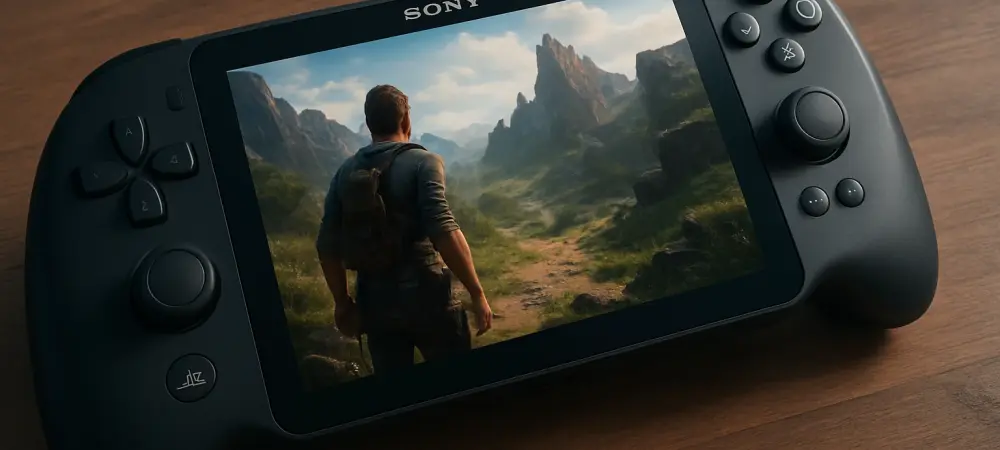
Imagine a gaming landscape where high-end console experiences fit seamlessly into the palm of your hand, blending the power of a home system with the freedom of portability. This vision is at the heart of mounting speculation about Sony’s rumored PS6 handheld, a device poised to challenge the dominance of hybrid gaming models like the Nintendo Switch. As the handheld market continues to evolve with rising demand for versatile devices, Sony’s potential re-entry into this space could signal a seismic shift. The stakes are high, with industry leaks hinting at a device that combines cutting-edge technology with strategic market timing.
This analysis aims to dissect the market implications of Sony’s rumored handheld, exploring its potential to reshape the portable gaming sector. By delving into current trends, rumored specifications, and competitive positioning, the goal is to uncover whether this device could redefine consumer expectations and industry standards. With a projected launch window around 2027, understanding these dynamics now is critical for stakeholders across the gaming ecosystem, from developers to retailers.
Diving Deep into Market Trends and Projections
Handheld Gaming’s Resurgence: A Growing Appetite
The handheld gaming market has witnessed a remarkable revival, driven by the success of hybrid devices that cater to both on-the-go and at-home play. Nintendo’s Switch has set the benchmark, blending portability with a robust game library, and capturing a wide demographic of casual and dedicated gamers alike. This trend underscores a broader consumer shift toward flexibility, with market data indicating sustained growth in portable gaming hardware sales over recent years, fueled by innovations in design and performance.
Beyond Nintendo, the rise of PC handhelds like the Steam Deck highlights an expanding niche for powerful, portable systems that appeal to tech-savvy users. Sony, having once led this space with the PlayStation Portable, appears to recognize the opportunity to reclaim market share. The convergence of mobile technology advancements and consumer demand for multi-use devices suggests that the timing for a high-spec handheld from a major player like Sony could be ideal, provided it addresses past shortcomings seen in devices like the PS Vita.
Rumored PS6 Handheld Specs: A Technical Powerhouse
Leaked details about the PS6 handheld paint a picture of a device engineered to push boundaries. Reports suggest it will feature an AMD “Canis” APU with four Zen 6c cores dedicated to gaming, complemented by two Zen 6 LP cores for system efficiency, and 16 compute units of RDNA 5 graphics. When docked and optimized with advanced upscaling technology, its performance could reportedly rival or exceed that of current-generation home consoles, though unoptimized titles might lag slightly behind.
Additional speculated features include a 192-bit memory bus supporting substantial RAM capacity, expandable storage options, and modern amenities like haptics and a touchscreen. Such specifications position the device as a premium offering, but they also raise concerns about thermal management and battery longevity—critical factors in handheld design. If these technical ambitions hold true, Sony could set a new standard for portable gaming hardware, appealing to enthusiasts seeking console-quality experiences without compromise.
Competitive Positioning: Pricing and Timing Strategies
Market positioning will be pivotal for the rumored PS6 handheld, with leaks pointing to a price range of $399 to $499, aligning closely with anticipated costs for upcoming competitors like the Nintendo Switch successor. This pricing strategy indicates Sony’s intent to compete directly on value, banking on superior hardware to justify the cost in a segment sensitive to affordability. A speculated launch in Fall 2027, alongside a next-generation home console, further suggests a coordinated effort to capture attention during a high-demand holiday window.
The competitive landscape, however, is fraught with challenges. Sony must navigate supply chain constraints and regional pricing disparities to ensure accessibility. Moreover, the success of this device will hinge on delivering a seamless user experience, from software optimization to game compatibility, areas where past handheld efforts have stumbled. Balancing these factors against the backdrop of a crowded market will test Sony’s strategic acumen, but a well-executed rollout could disrupt established players and redefine consumer expectations.
Future Outlook: Hybrid Devices as the New Normal
Looking ahead, the gaming industry appears increasingly geared toward hybrid solutions that merge portability with power, a trend likely to dominate hardware development in the coming years. Technological advancements in chip efficiency and cloud gaming integration could further amplify the capabilities of devices like the rumored PS6 handheld, enabling richer experiences in smaller form factors. Economic factors, including inflation and manufacturing costs, will also shape how such products are priced and adopted globally. Projections indicate that if Sony can strike the right balance between performance and accessibility, it stands to gain significant traction among loyal PlayStation fans and new audiences alike. The potential for backward compatibility with extensive game libraries adds another layer of appeal, broadening its market reach. As handheld gaming continues to mature, Sony’s entry could catalyze innovation across competitors, driving the industry toward more versatile, consumer-centric designs over the next few years.
Reflecting on the Market Impact and Strategic Next Steps
Looking back, this analysis delved into the transformative potential of Sony’s rumored PS6 handheld, uncovering how its technical prowess and strategic positioning could reshape the portable gaming market. The examination of current trends revealed a clear consumer tilt toward hybrid devices, while speculative details highlighted Sony’s ambition to deliver unmatched performance in a compact form. Competitive pricing and timing strategies further underscored the calculated risks Sony is taking to challenge established players.
For stakeholders, the path forward involves several actionable considerations. Developers are encouraged to prioritize optimization for hybrid play, ensuring titles perform well in both portable and docked modes. Retailers need to prepare for potential high demand around the projected 2027 launch, strategizing inventory and marketing to capitalize on holiday sales. Meanwhile, Sony itself faces the task of confirming these rumors and addressing consumer concerns about battery life and cost, setting the stage for a pivotal moment in gaming hardware history. These steps, if executed well, promise to cement Sony’s return to the handheld arena as a defining industry milestone.