

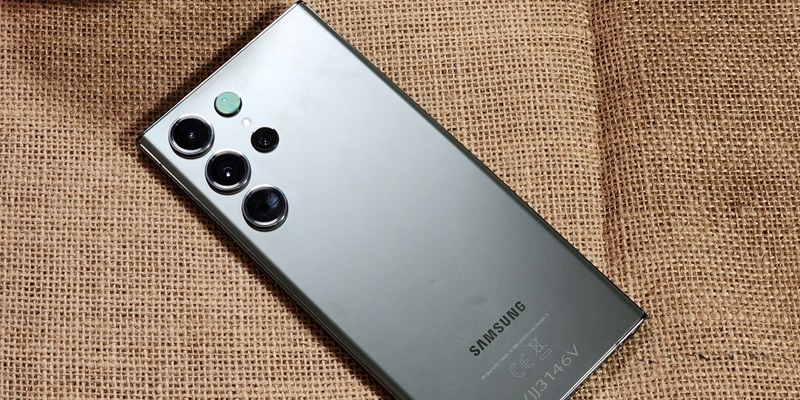
When Samsung releases a new flagship, such as the Galaxy S23 Ultra, consumers must decide if the upgrade makes sense. This latest addition to the smartphone market offers cutting-edge features, which may tempt those holding onto the Galaxy S20 Ultra. It’s crucial to evaluate the improvements and decide if they warrant the switch.
The S23 Ultra brings considerable upgrades. From a more robust processor that enhances overall performance, to a refined camera system possibly offering better low-light photography and more creative possibilities, the S23 Ultra aims to outshine its predecessor. Also, battery technology tends to improve with each iteration, potentially offering longer usage times, alongside display enhancements that can provide a more vibrant viewing experience.
Furthermore, the design may have been updated for a fresh look and better ergonomics. The S23 Ultra is expected to have the latest software support from Samsung, which could extend the lifespan of the device in terms of updates and security patches.
Ultimately, the worth of an upgrade from the S20 Ultra to the S23 Ultra depends on a customer’s need for the latest tech. If the S20 Ultra is still performing well and meeting needs, the urgency to upgrade might not be there. However, for those craving the latest advancements, or if their current device is showing its age, the S23 Ultra could offer a substantial improvement. It’s a balance of cost versus benefits, with the S23 Ultra poised on the cutting edge of technology.
Evolution of Design and Build
The journey from the Galaxy S20 Ultra to the S23 Ultra is one marked by subtle design evolutions rather than revolutionary changes. The S23 Ultra refines its forerunner’s aesthetics with an elegance that denotes Samsung’s continued dedication to premium build quality. Slimmer bezels, a more robust chassis, and a tactile refinement speak to the ergonomic strides made over past iterations. Still, the iconic rectangular silhouette and dedication to a glass and metal fusion remain as Samsung’s signature design language, ensuring the device feels both familiar and fresh in the hand.
As technology advances, so too does the expectation of durability. The S23 Ultra brings enhanced resilience with the use of Gorilla Glass Victus 2, promising better drop and scratch resistance. A sea change in the design philosophy, however, is not apparent—the distinction lies in the meticulous enhancement of materials and user handling. These improvements are not mere superficial tweaks but are concerted efforts in elevating the true premium feel of the device, appealing to both new users and those considering an upgrade from the Galaxy S20 Ultra.
Processor Performance and Efficiency
At the heart of a smartphone’s allure is its performance. The Galaxy S23 Ultra’s leap to the Qualcomm Snapdragon 8 Gen 1 chipset showcases significant gains in both processing power and efficiency over the S20 Ultra’s Snapdragon 865 or Exynos 990. These gains are not just numbers on a spec sheet but translate to tangible improvements in daily usage. Whether it’s launching apps with alacrity, indulging in demanding games without a stutter, or efficiently juggling multiple tasks, the S23 Ultra’s processor is the powerhouse propelling these experiences.
The perhaps less heralded benefits of the S23 Ultra’s chipset are its thermal management and energy efficiency, ensuring that the phone remains cool under pressure and conserves battery for everyday tasks. Users who find their S20 Ultra heating up or struggling to keep up with the latest gaming titles will notice a marked improvement. For those discerning users who count every second and every joule, the Galaxy S23 Ultra offers a compelling argument for an upgrade.
Display Technologies: A Visual Comparison
In the realm of improving smartphone displays, both the Galaxy S20 Ultra and S23 Ultra exhibit strikingly crisp and vibrant panels, yet it’s the newer device that edges forward with its superior technology. Samsung’s implementation of the LTPO 3.0 panel in the S23 Ultra is a game-changer, allowing a dynamic refresh rate that smartly adapts from 1Hz to 120Hz, enhancing battery efficiency and user experience. Not only does this technology provide power savings, but it also ensures silky smooth visuals.
The S20 Ultra, while once a beacon of Samsung’s display innovation, now stands one step behind, with its refresh rate capabilities limited by older panel technology. This not only affects the fluidity of on-screen content but also has a more subtle impact on power consumption. For those seeking the zenith of visual fidelity and technological prowess, the Galaxy S23 Ultra offers compelling reasons to leap towards the future, leaving the less versatile, albeit still excellent, S20 Ultra display behind.
Battery Life and Charging: Endurance Measured
Battery performance is paramount to a smartphone’s functionality. Despite sharing the same battery capacity, the Galaxy S23 Ultra heralds improved longevity due to its more power-efficient chipset and adaptive display technology. Users of the S20 Ultra may find their devices waning quicker under modern apps and usage patterns, whereas the S23 Ultra’s adept energy management keeps it running smoothly for longer.
Charging, too, has evolved subtly but significantly. While both devices boast fast charging capabilities, the S23 Ultra capitalizes on more refined battery chemistry and optimized software that promises not only speed but also the longevity of the battery’s health over time. With features like wireless and reverse wireless charging making a return, the S23 Ultra ensures that its users are not left wanting in terms of flexibility and convenience.
Camera Systems: Innovations in Imaging
The camera system is often the deal-maker or breaker when it comes to upgrading smartphones, and Samsung understands this. The Galaxy S23 Ultra steps up its game with a ground-breaking 200MP primary sensor that is not just an improvement in numbers but in everyday photographic experiences. The enhanced detail, superior zoom capabilities, and commendable night mode performance represent a leap forward from the still-capable cameras of the S20 Ultra.
Beyond the raw specs, it’s the S23 Ultra’s advancements in computational photography that shine. Improved AI algorithms and processing power allow users to capture images that are not only high-resolution but also rich in color and dynamic range. While the S20 Ultra’s 108MP camera was laudable in its day, users yearning for the bleeding edge of imaging technology will find the S23 Ultra’s camera array an enticing reason to upgrade.
Software and Ecosystem: Extending the Lifeline
Enhancing the hardware is Samsung’s equally robust commitment to software updates, wherein the Galaxy S23 Ultra benefits significantly. Offering four generations of Android updates and five years of security patches, the S23 Ultra is positioned to exceed the update cadence of the S20 Ultra, which by comparison, has reached the end of its promised support cycle. This extended support is not merely a promise of new features but also a pledge towards security and performance longevity that will shape the user’s experience.
In the broader ecosystem, the S23 Ultra integrates more seamlessly with the Samsung portfolio, thereby creating a more cohesive and user-friendly environment across multiple devices. Such integration translates to practical benefits in daily life, such as streamlined photo syncing with Galaxy tablets or effortless continuity with Samsung laptops, affirming the S23 Ultra’s status as the cornerstone of the Samsung ecosystem.
User Experience: Real-world Implications
Finally, the user experience is where the abstract specs become concrete realities. The Galaxy S23 Ultra is crafted to cater to the minutiae of daily operations, deftly handling everything from typical phone duties to serving as a reliable tool for professional tasks. Business users, content creators, and avid consumers of multimedia will appreciate the meticulous enhancements that define the S23 Ultra’s handling of such diverse demands.
Anecdotal evidence from early adopters speaks to fewer instances of lag, smoother transitions across applications, and an overall snappier feeling that underscores the worthiness of an upgrade. On the streets, in transit, or while flitting between meetings, the Galaxy S23 Ultra asserts its presence as a high-performing companion attuned to the rhythm of modern life. When considering whether to replace the S20 Ultra with its newer counterpart, one must ponder these practical enhancements that blend into the fabric of daily use. For many, the Galaxy S23 Ultra represents not just a new phone but a new paradigm in connected living.