

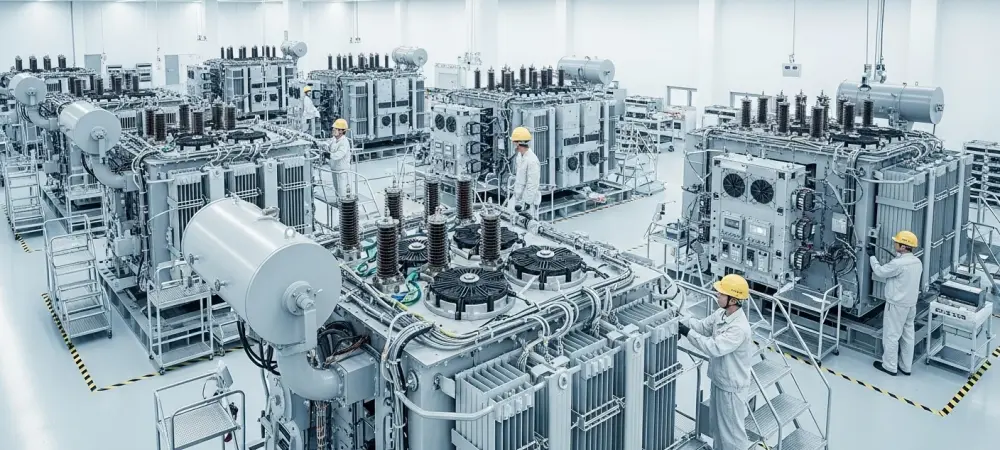
The physical architecture of the global economy is undergoing a silent yet monumental transformation as the demand for artificial intelligence and high-performance computing rewrites the rules of industrial manufacturing. While much of the public discourse focuses on software and silicon, a parallel gold rush has emerged in the world of heavy electrical equipment, turning once-stodgy utility suppliers into the most influential gatekeepers of the digital age. This analysis explores how the insatiable energy appetite of “hyperscalers” is not merely driving up sales, but fundamentally reordering the power dynamics between global technology giants and the industrial firms that provide the essential infrastructure for our connected world.
The Great Infrastructure Pivot: How Data Centers Are Redefining the Industrial Landscape
The shift from localized server rooms to massive, centralized data hubs has effectively turned specialized electrical gear into some of the most sought-after commodities in the global market. For decades, the electrical equipment sector operated as a predictable, utility-adjacent industry where supply and demand remained in a comfortable equilibrium. However, the recent acceleration of digital infrastructure needs has forced a departure from traditional manufacturing cycles, signaling a structural boom that favors the makers of switches, cooling systems, and high-voltage transformers over the tech companies that consume them.
This evolution is driven by the sheer scale of modern energy requirements, where a single facility can now demand as much power as a small city. As cloud computing and generative models become the backbone of modern enterprise, the companies that build the “nervous system” of these facilities have moved from the periphery to the center of the strategic supply chain. Understanding this historical pivot is essential for grasping why industrial manufacturers now hold a level of market leverage that was previously reserved for the software titans they serve.
From Components to Commodities: The Evolution of Electrical Infrastructure
Historically, manufacturers of electrical components operated with modest growth expectations and backlogs that covered only a fraction of their annual production. The post-pandemic era, however, triggered a massive reallocation of capital toward centralized data infrastructure, causing a permanent shift in how hardware is valued. These industrial assets are no longer viewed as mere construction materials; they are now recognized as the critical bottleneck for the entire artificial intelligence economy, leading to a landscape where demand consistently outstrips the available factory capacity.
This structural change has essentially decoupled the industrial sector from broader economic volatility. While consumer-facing industries may experience fluctuations based on interest rates or sentiment, the commitment of major tech conglomerates to build out global infrastructure ensures a steady stream of high-margin contracts. The result is a specialized market where legacy equipment makers have transformed into high-growth entities, enjoying a degree of financial stability and pricing power that has redefined their roles within the global supply chain.
The New Order: Analyzing the Supplier-Centric Market
Unprecedented Backlogs and the Surge in Manufacturer Leverage
The most striking evidence of this power shift is found in the “bloated” order books of major equipment providers, where production slots are effectively sold out for years in advance. In the current market, it is not uncommon for a manufacturer’s backlog to exceed 100% of its projected sales for the next two years, creating a scenario where suppliers possess the absolute authority to dictate terms and delivery timelines. This massive accumulation of orders means that hyperscalers can no longer rely on just-in-time procurement; instead, they must engage in long-term strategic planning simply to secure the hardware required for their future expansions.
Financial Windfalls and the Rise of the Hyperscaler Economy
With infrastructure investment projections reaching staggering new heights, industrial hardware has officially become a high-growth asset class. Market data indicates that data center requirements now account for more than 80% of revenue for specialized engineering firms, a concentration of capital that has propelled stock prices to record levels. This financial windfall reflects a broader recognition that the physical layer of the internet is just as valuable as the code it runs, turning traditional manufacturing plants into the modern version of oil refineries for the data age.
Regional Bottlenecks and the Move Toward Life-Cycle Services
Despite the financial success, the expansion of physical data centers is meeting significant resistance at the local level due to concerns over energy consumption and environmental impact. Regional challenges, such as soaring local electricity prices and community opposition, are creating barriers to greenfield construction in established tech hubs. To navigate these obstacles, manufacturers are shifting their focus toward the servicing, retrofitting, and maintenance of existing facilities, ensuring that high-density computing can continue even when new land remains unavailable for development.
Anticipating the Future: Technological Innovations and Regulatory Headwinds
Looking toward the end of the decade, the industry is poised for further disruption as energy efficiency transitions from a corporate goal to a strict regulatory mandate. The move toward liquid cooling technologies and modular power solutions will likely become the standard as data centers reach the thermal limits of traditional air-cooled designs. Furthermore, as governments step in to manage the environmental footprint of large-scale facilities, equipment manufacturers will likely pivot toward integrating sustainable energy solutions, such as on-site microgrids and hydrogen fuel cells, directly into their hardware offerings.
Navigating the Supplier-Led Economy: Strategic Takeaways for Stakeholders
For businesses and investors, the primary takeaway is that the market has transitioned into a “supplier’s market” where proactive procurement is no longer optional. Organizations must treat electrical infrastructure as a strategic asset rather than a utility expense, securing long-term supply agreements years in advance to avoid being locked out of essential production schedules. Success in this environment requires a deep understanding of the intersection between hardware limitations and the emerging cooling technologies that will define the next generation of high-performance computing clusters.
Final Reflections on the Infrastructure Revolution
The data center boom did more than just inflate the balance sheets of industrial manufacturers; it fundamentally rewrote the rules of the global supply chain. The transition of power from the buyers of technology to the builders of infrastructure highlighted a critical dependency in a digital-first world. As the thirst for data processing and machine learning continued to grow, the companies that powered and cooled these systems remained at the helm of the global economy. This shift was not a temporary spike but a permanent reordering of industrial priorities that resonated throughout the entire manufacturing landscape.