

Local leaders have transitioned their support to the data center project, framing it as a way to put Northumberland at the forefront of the global digital economy, a strategic shift that comes as the region desperately seeks to redefine its industrial identity after the collapse of previous high-profile ventures. For years, the Cambois site was marketed as the future of the green industrial revolution, promised to house a massive battery gigafactory that would drive the transition to electric vehicles. However, the subsequent pivot to a £10 billion data center development by Blackstone and its subsidiary, QTS, has sparked a mix of cautious optimism and deep-seated skepticism. While the investment is undeniably massive, the shift from manufacturing physical goods to providing digital storage represents a fundamental change in the region’s economic strategy. The community now finds itself questioning whether this hyperscale project will finally deliver the long-term prosperity that has been promised for so long or if it is simply another top-down scheme.
The Collapse of the Green Industrial Dream
The downfall of Britishvolt in 2023 serves as a sobering reminder of the volatility inherent in modern industrial policy and the dangers of political hyperbole. Initially heralded by top government officials as a cornerstone of the national “leveling up” agenda, the project was expected to create 3,000 high-quality jobs and revitalize the Wansbeck and Blyth Valley areas. Despite the intense media coverage and the promise of a localized supply chain, the startup eventually entered bankruptcy after failing to secure a government bailout or sufficient private investment. This failure led to 250 immediate layoffs and left a gaping hole in the local economic plan, leaving workers who had trained specifically for battery manufacturing in a state of professional limbo. The collapse was not just a financial failure; it was a psychological blow to a region that had been told it was the center of a new, sustainable industrial era, only to see those promises evaporate when the fiscal reality of the project became unsustainable.
Following the initial collapse, hopes were briefly reignited by an attempt by Recharge Industries to take over the site, but this effort also faltered due to financial instability. The firm was unable to fulfill its payment obligations, leading to a second round of disappointment for a community that was already wary of external “saviors” and fashionable industrial schemes. This cycle of failure highlighted the risks of relying on speculative startups to drive regional regeneration rather than established industrial giants with proven track records. The vacant lot in Cambois became a symbol of unfulfilled potential, forcing local leaders to scramble for a new direction that could capitalize on the site’s unique power and transport infrastructure. This period of uncertainty laid the groundwork for the eventual move toward digital infrastructure, as the prospect of a traditional manufacturing plant seemed increasingly distant. The transition marked the end of the green manufacturing dream and the beginning of a move toward the less labor-intensive world of big data.
Pivoting Toward a Digital Infrastructure Future
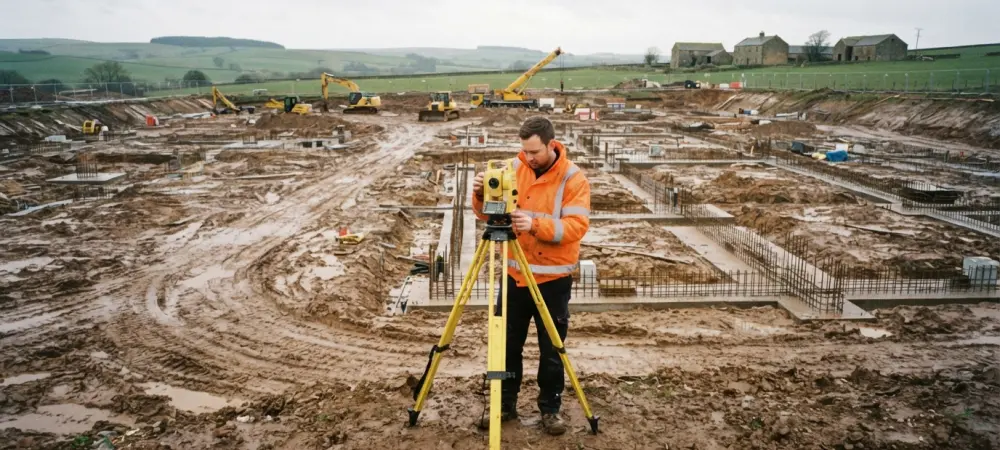
In 2024, the narrative changed significantly when the American investment giant Blackstone stepped in to purchase the site for a monumental data center project. This pivot was quickly embraced by political figures who viewed the £10 billion investment as a way to salvage the economic future of the region without the high risks associated with battery startups. By 2025, the project had received official planning approval, and construction efforts began to transform the landscape once again. Unlike the gigafactory, which was intended to produce physical units for export, this new facility is designed to store and process the massive amounts of data required for modern artificial intelligence and cloud computing. The scale of the investment is intended to signal to the global market that Northumberland is open for high-tech business, yet the project’s success is currently tethered to a construction timeline that extends well into the next decade, with full operational capacity not anticipated until 2035.
As the development progresses through the current year and into 2028, the economic impact is primarily being felt through temporary construction jobs rather than permanent high-tech roles. The long-term plan involves building a massive “campus” of server warehouses that will require specialized maintenance and security but far fewer workers than the thousands promised by the battery factory. This discrepancy between the massive financial investment and the relatively low density of long-term employment is a central point of debate for those monitoring the site’s progress. While proponents argue that the data center will act as a magnet for other tech firms, creating a “cluster effect” in the North East, critics worry that the region is simply trading a labor-intensive factory for a capital-intensive warehouse. The strategic shift reflects a broader trend in industrial policy where data is treated as the new oil, but the social benefits for the local workforce remain far more difficult to quantify than the raw investment figures suggest.
Balancing Economic Gains with Community Concerns
The transition to a hyperscale data center has not been without significant local opposition, particularly regarding the environmental and social costs of such a facility. Residents in the Cambois area have raised alarms about the sheer volume of electricity required to keep thousands of servers running, which places an immense strain on the national grid and local power infrastructure. While the developers at QTS have emphasized their commitment to using “water-free cooling” technology to mitigate resource consumption, the potential for acoustic pollution remains a primary concern for those living nearby. The persistent “droning sound” often generated by the massive cooling fans used in these facilities could significantly diminish the quality of life in surrounding neighborhoods, leading to petitions and public meetings where residents have voiced their fears about the “big shed” reality of the project. This rift highlights the tension between global corporate interests and the lived experience of a community that feels its needs are secondary to industrial expansion. The transformation of the Blyth landscape ultimately required a shift in how stakeholders measured the value of industrial development beyond mere capital injection. It was determined that true economic stability could only be achieved if the digital campus was integrated with local educational programs, ensuring that the next generation of workers possessed the technical skills needed for digital infrastructure management. As the project moved forward, authorities implemented stricter noise mitigation protocols and community benefit funds to address the concerns of residents who felt marginalized by the rapid shift in strategy. This approach aimed to reconcile the high-tech demands of global investors with the practical needs of the Northumberland workforce, moving away from the top-down models of the past. By the time the first phase of the facility became operational, the focus had shifted toward ensuring that the site served as a catalyst for local entrepreneurship rather than just a silent monument to foreign capital, providing a clearer roadmap for future regional development.