

Building a high-performance computer in 2026 no longer requires the massive, space-consuming towers that dominated the landscape of enthusiast gaming just a few years ago. As modern builders shift toward more efficient and aesthetically pleasing setups, the micro-ATX form factor has emerged as a premier choice for those who demand full-sized power within a more manageable footprint. The transition to the AM5 socket represents a major step for AMD users, providing a long-term upgrade path that supports multiple generations of Ryzen processors while maintaining a consistent ecosystem for years. Within this landscape, the ASUS ROG Strix B850-G Gaming WiFi serves as a specialized mid-range option, aiming to fill the gap between entry-level hardware and expensive enthusiast models. It addresses a specific market need by offering a premium feature set in a compact frame, making it a strong choice for those who want top-tier performance without the unnecessary bulk of a full-sized tower.
Engineering for High-Performance Stability
Focusing on the hardware foundation, the motherboard is not merely a collection of ports and chips but a cohesive ecosystem designed for long-term reliability. Modern micro-ATX motherboards must often balance physical space constraints with the intense power requirements of current-generation processors. This specific board achieves that balance through meticulously planned trace layouts and high-density copper layers within the PCB itself, which reduce electrical interference and improve signal integrity across all connected peripherals. By prioritizing structural stability and thermal conductivity, the designers have created a platform that can sustain heavy usage over several years. This architectural focus serves as the bedrock for the more specialized power and cooling features that define the ROG Strix lineup. For users, this means that every component works in harmony to provide a seamless computing experience, allowing the system to perform at its peak regardless of the workload intensity or complexity.
Power Infrastructure: Fueling the Ryzen 9000 Series
To handle the power-hungry demands of the latest Ryzen 9000 series chips, this motherboard is equipped with a robust 14+2+1 power-stage design that ensures peak electrical efficiency. Each of these stages is rated to handle high current, ensuring that even flagship 16-core processors receive steady and clean energy during intensive workloads without experiencing any voltage drops. This level of electrical reliability is vital for maintaining peak performance during tasks like high-resolution video editing or competitive gaming sessions where any system instability could be a major drawback. Moreover, the integration of high-quality alloy chokes and durable capacitors ensures that the power delivery remains consistent even under extreme temperatures. By utilizing these industrial-grade components, the board provides a level of durability that was once reserved for the highest-end enthusiast products, effectively bridging the gap between mainstream affordability and professional reliability.
Building on the foundation of high-quality electrical components, the power delivery system also incorporates advanced digital controllers that manage the flow of energy with extreme precision. These controllers communicate directly with the processor to adjust power levels in real-time, which helps in reducing overall energy consumption and heat production during less intensive tasks. This intelligent power management is particularly beneficial for users who keep their systems running for long periods, as it minimizes wear on the internal circuits and extends the total lifespan of the hardware. Furthermore, the use of reinforced power connectors ensures a secure connection with the power supply, preventing any accidental disconnects or resistance issues that could lead to heat buildup. This comprehensive approach to power design demonstrates why a mid-range chipset can still support top-tier hardware without compromising on the safety or longevity of the entire system for the average consumer.
Thermal Management: Cooling Under Pressure
Managing the heat generated by these powerful components is handled by an array of thick heatsinks and high-quality thermal pads that cover the most critical parts of the internal hardware. Furthermore, the main storage slots include dedicated cooling plates to ensure that modern high-speed drives can transfer data at maximum speeds for long periods without overheating or performance degradation. The layout of these heatsinks is carefully optimized to maximize airflow from case fans, ensuring that even in compact micro-ATX chassis where space is limited, the internal temperatures remain well within safe operating margins. Such attention to thermal design is essential for users who want to push their hardware to its limits while maintaining a quiet and cool environment. In addition to the physical heatsinks, the motherboard features an extensive set of headers for fans and liquid cooling pumps, allowing for a highly customizable cooling solution tailored to individual needs. Each header is capable of sensing whether a fan is controlled by voltage or pulse-width modulation, which simplifies the setup process for builders who want a balance between noise levels and cooling efficiency. The onboard firmware includes sophisticated controls that allow users to create custom fan curves, ensuring that the system stays silent during light office work but ramps up instantly when the CPU load increases. This level of control is supplemented by internal sensors that monitor temperature across different zones of the board, providing real-time data to prevent any localized hotspots. By integrating these smart cooling features, the hardware maintains a stable environment for all connected components, ensuring that performance remains consistent regardless of the environment.
Next-Generation Data Standards and Experience
Shifting focus toward the technological standards and external connectivity, the integration of cutting-edge data protocols defines the board’s competitive edge in the market. As software applications and gaming assets continue to grow in size and complexity, the speed at which data travels between the processor, memory, and storage has become a primary factor in overall system responsiveness. This motherboard addresses these needs by incorporating the latest PCIe and networking standards, which eliminate traditional bottlenecks that often plague older or more budget-oriented platforms. Beyond the raw numbers, the user experience is elevated by a suite of physical and digital tools that simplify the installation and optimization process for both novice and expert builders alike. This holistic approach to design ensures that the hardware is not only fast but also accessible, providing a level of polish that justifies its position within the ROG Strix family for modern builds.
Future-Proofed Graphics: The PCIe 5.0 Advantage
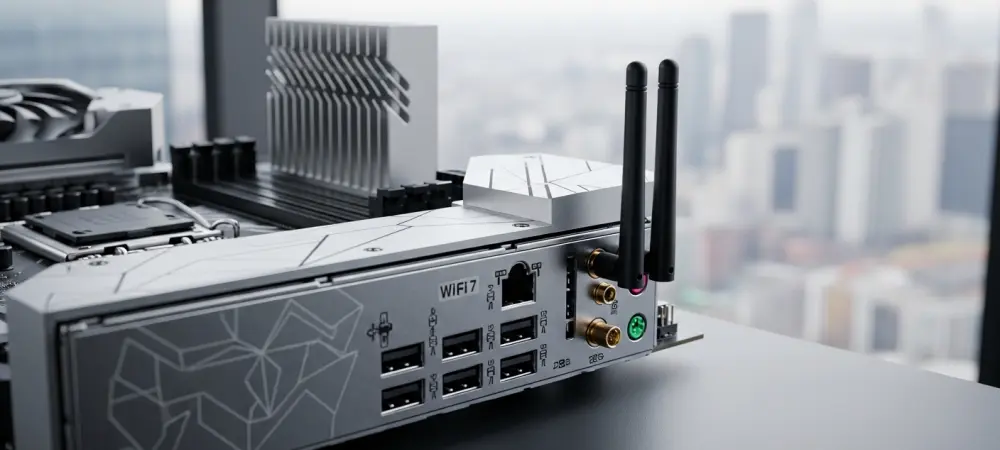
A standout feature of this board is the inclusion of PCIe 5.0 technology, which prepares the system for the next wave of high-performance hardware arriving in the near future. This interface offers double the bandwidth of previous versions, which is essential for the upcoming generation of ultra-powerful graphics cards and lightning-fast storage drives that demand more throughput. By including a PCIe 5.0 x16 slot, the motherboard ensures that users can upgrade their components in the coming years without worrying about data bottlenecks that could hinder overall system speed. This forward-looking approach is particularly important for professionals who work with large assets, as the massive throughput provided by PCIe 5.0 allows for near-instantaneous access to data across the system bus. Having this capability on board guarantees that the motherboard remains a relevant foundation for years, shielding the user from the need for frequent and costly upgrades. Connectivity is further improved by the addition of WiFi 7 and 2.5Gb Ethernet, providing some of the fastest networking options currently available on the market for modern users. WiFi 7 is a significant upgrade for wireless stability, as it uses the 6GHz band to reduce lag and interference in busy home environments where multiple devices compete for signals constantly. This makes the board an excellent option for gamers and creators who need a fast, reliable wireless connection for online play or transferring massive files across a local network without a physical cable. In addition to wireless speed, the onboard 2.5Gb Ethernet port offers a low-latency wired connection that is perfect for professional environments where high-speed NAS storage or ultra-fast internet plans are utilized. By integrating these advanced networking standards, the board effectively eliminates common connectivity frustrations, ensuring that users can remain productive regardless of their physical network.
Strategic Value: Streamlining the User Experience
ASUS has integrated several “Q-features” designed to make the building process much easier for both beginners and experienced builders who value their time and convenience. These include tool-free mechanisms like the M.2 Q-Latch and the PCIe Slot Q-Release, which remove the need to deal with tiny screws or hard-to-reach plastic clips when installing or removing parts. Additionally, the inclusion of onboard diagnostic lights helps users quickly identify hardware issues during the startup process, saving time during troubleshooting by pointing directly to the problem component. Beyond the technical specs, the board stands out with a unique white and silver design that breaks away from the standard dark look of most modern gaming gear and computer hardware. This clean aesthetic makes it an ideal centerpiece for themed PC builds, especially when customized using the built-in RGB lighting software that syncs with other peripherals to create a cohesive and professional visual environment.
When the hardware market shifted toward the AM5 platform, the decision to invest in a versatile micro-ATX board became a logical choice for those seeking long-term longevity. The B850-G provided a stable, high-performance foundation that balanced physical size with the raw speed required for modern applications and heavy gaming workloads throughout the year. Users who chose this path often discovered that the combination of PCIe 5.0 support and advanced cooling solutions allowed their systems to stay relevant as new technologies emerged. Moving forward, potential builders prioritized checking for local retailer bundles or seasonal discounts that often included this board alongside compatible memory kits to maximize their savings. Evaluating the current workspace requirements and deciding on a compact chassis allowed builders to take full advantage of the board’s streamlined assembly features. By focusing on these actionable steps, enthusiasts successfully navigated the transition to the latest generation of computing.