

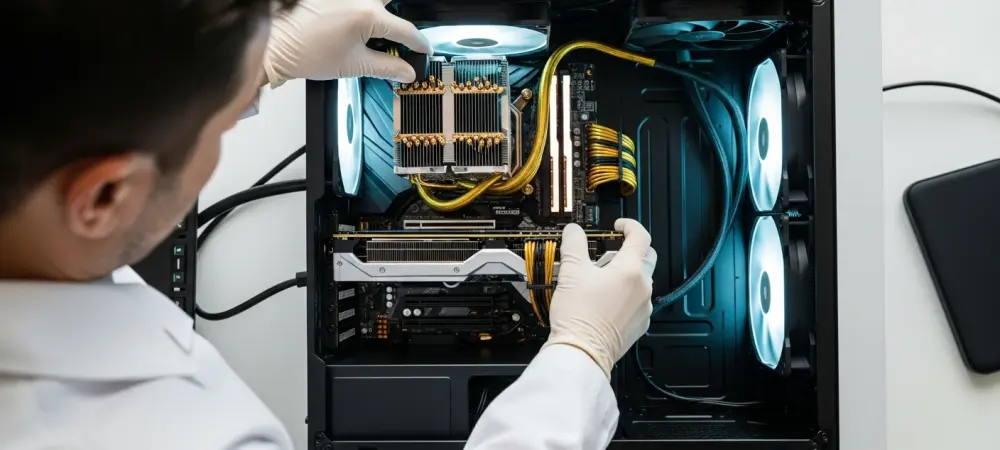
The global semiconductor landscape has shifted so dramatically that the humble home computer now competes for resources with the most powerful data centers on the planet. This modern hardware crisis stems from a massive reallocation of manufacturing capacity as silicon giants prioritize the lucrative infrastructure required for artificial intelligence over the needs of everyday consumers. As manufacturers navigate these turbulent waters, the result is a market where scarcity and rising costs have become the new normal for hardware enthusiasts.
This exploration examines how the current prioritization of high-margin AI components is reshaping the availability and pricing of personal computers. By analyzing recent strategic shifts from industry veterans like MSI, we can better understand the forces driving the end of the affordable PC era. Readers will gain insight into the specific supply chain bottlenecks affecting memory and graphics processors, as well as the long-term survival strategies being adopted by major hardware vendors.
Key Questions Addressing the Hardware Crisis
Why Are PC Component Prices Increasing So Rapidly?
The primary driver behind the current price surge is a fundamental imbalance in the memory chip market caused by the insatiable appetite of AI development. Memory manufacturers have pivoted their production lines to satisfy high-margin orders from Big Tech firms building massive data centers, which has created a severe supply crunch for standard consumer hardware. This shift means that the DRAM and SSD components typically found in home desktops are now becoming luxury items due to skyrocketing procurement costs. Furthermore, veteran hardware manufacturers like MSI are being forced to implement price hikes of 15% to 30% across their entire product lineups to remain profitable. This strategic adjustment is not merely about profit margins but is a necessary response to the destabilization of traditional partnership models between foundries and original equipment manufacturers. The increasing cost of silicon wafers and the logistical nightmare of securing limited inventory have combined to push the retail price of consumer electronics to historic highs.
How Is AI Production Affecting the Availability of Gaming Hardware?
The impact on gaming hardware is particularly visible in the graphics card market, where supply shortfalls have reached critical levels. Major players like Nvidia have reportedly shifted their focus toward AI-specific GPU production, leaving gaming-oriented partners with significant inventory gaps. This pivot has resulted in a 20% supply shortfall for traditional gaming components, making it increasingly difficult for retailers to stock mid-range or budget-friendly video cards.
In response to this scarcity, companies are aggressively moving away from the low-end market to focus on high-margin, enthusiast-grade hardware. MSI, for instance, has reduced its production of entry-level components by 30% to concentrate on premium products that can better absorb the rising costs of raw materials. This trend suggests that the era of high-volume, affordable consumer parts is fading as production capacity remains tethered to the more profitable AI gold rush.
What Strategies Are Manufacturers Using to Survive These Market Shifts?
To navigate the most challenging period in recent memory, hardware vendors are executing a multi-pronged survival strategy centered on business diversification and long-term supply stability. Companies are increasingly seeking to secure direct, long-term memory supply agreements to bypass the volatility of the spot market. Additionally, there is a visible shift toward the server business, with many traditional PC brands targeting massive annual revenue growth by selling directly to the AI infrastructure sector themselves.
On the consumer side, manufacturers are attempting to mitigate the blow of higher prices by integrating AI-driven tools and hybrid designs into their ecosystems. These innovations, such as automated PC building assistants and motherboards optimized for mixed workloads, are designed to add perceived value to more expensive hardware. While these features offer some utility, they primarily serve as a bridge for companies transitioning their core business models away from the dwindling returns of the traditional consumer PC market.
Summary of Market Realities
The transition within the semiconductor industry has created a clear divide where consumer electronics are increasingly marginalized by the demand for industrial AI infrastructure. The era of affordable components is under significant threat because the core building blocks of modern computers are being diverted to more profitable ventures. Manufacturers are pivoting toward premium goods and enterprise services to stay afloat, leaving budget-conscious builders with fewer options. These shifts represent a fundamental change in how hardware is produced, sold, and valued in a world obsessed with machine learning.
Final Considerations for Consumers
The current market trajectory suggested that the strategies implemented by hardware giants were reactive measures to a permanent shift in silicon priorities. Moving forward, enthusiasts should consider the long-term benefits of investing in high-end, durable hardware that can withstand longer upgrade cycles. As the industry continues to prioritize AI-driven revenue, the focus for users must shift from chasing the latest budget deals to maximizing the efficiency and longevity of their existing systems. Adapting to this high-cost environment required a more calculated approach to hardware acquisition and a deeper understanding of the global supply chains that dictate retail reality.