

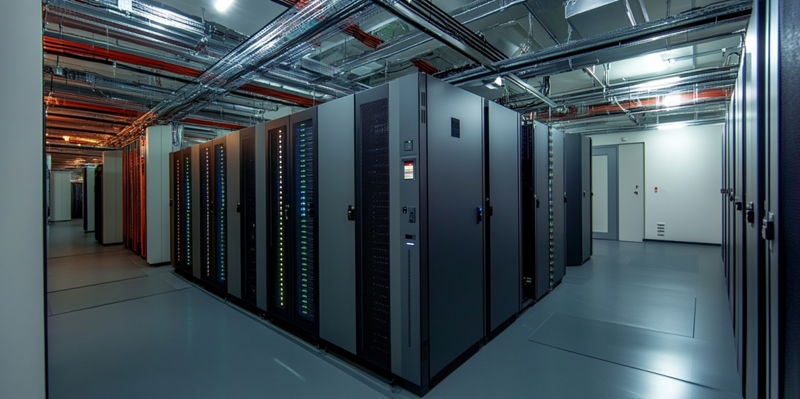
The expansion of data centers in the United Kingdom’s largest cities has emerged as a critical development in the nation’s digital infrastructure, an aspect that is increasingly receiving considerable local support. According to a recent study by data center specialists Onnec, planning permissions for new data centers have seen an overwhelmingly positive response from local authorities, with an impressive 89% of applications being approved over the past five years. Out of 88 reviewed applications, only three were rejected, indicating a strong local endorsement for the growth of digital infrastructure that is pivotal for AI deployment. Onnec’s report emphasizes the importance of considering all aspects of data center development—including cabling for bandwidth—rather than focusing exclusively on power and cooling requirements.
The analysis conducted by Onnec also identified a significant trend: the UK government’s push to designate data centers as critical national infrastructure. The government has pledged £6.3 billion to establish the UK as a leading hub for artificial intelligence. This holistic approach to planning is essential for achieving robust and sustainable development, thereby avoiding the risk of infrastructure becoming outdated shortly after completion. London, which represents Europe’s largest data center market, is currently experiencing strain due to limited power availability and growing concerns about sustainability. Consequently, the report advocates for an expansion of data centers across other regions to ensure a more balanced distribution of benefits such as job opportunities and digital skills.
Importance of a Holistic Approach
The concept of holistic planning is central to the successful and sustainable expansion of data centers in the UK. Holistic planning involves a comprehensive consideration of all aspects necessary for the smooth functioning of a data center. While supplying adequate power and ensuring efficient cooling systems have traditionally been the primary focus, Onnec highlights the necessity of addressing other critical components. Cabling for bandwidth is one such crucial element that, if overlooked, could hamper the data center’s operational efficiency. The study underscores that meticulous planning encompassing all facets can safeguard against the need for costly retrofits and avoid rendering facilities obsolete soon after they become operational.
Moreover, the importance of holistic planning extends to aligning with broader national goals. The UK government’s classification of data centers as critical national infrastructure underscores their pivotal role in the nation’s future economic and technological prosperity. By investing £6.3 billion, the government aims to position the UK at the forefront of the AI sector. However, achieving this objective necessitates that data centers are well-equipped to handle the intensive demands of AI workloads. Effective planning that integrates all necessary components ensures that data centers can support advanced technologies without facing operational hurdles.
Regional Expansion and Sustainability
Expanding data centers in the United Kingdom’s major cities has become crucial to the nation’s digital infrastructure, with increasing local support. A recent study by data center experts Onnec reveals that planning permissions for new data centers are highly favored by local authorities, boasting an impressive 89% approval rate over the past five years. Out of 88 applications reviewed, only three were declined, showing strong local backing for expanding digital infrastructure vital for AI development. Onnec’s report stresses the importance of considering every aspect of data center advancement, including cabling for bandwidth, rather than focusing solely on power and cooling needs.
Onnec’s analysis also uncovered a notable trend: the UK government is pushing to recognize data centers as critical national infrastructure. The government has committed £6.3 billion to position the UK as a leading AI hub. This comprehensive planning approach is essential for sustainable development, ensuring infrastructure does not become obsolete quickly. London, Europe’s largest data center market, faces pressure due to limited power and sustainability concerns. The report thus advocates for expanding data centers in other regions for balanced benefits like job growth and digital skills.