

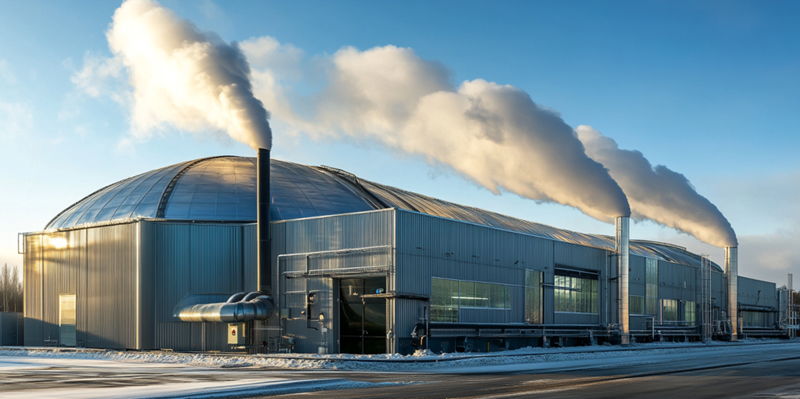
In a groundbreaking collaboration, Swedish companies Vinga Group and WA3RM are set to develop three commercial greenhouses across Scandinavia, utilizing waste heat from data centers and a cardboard factory in an effort to promote sustainable food production. By tapping into the otherwise lost heat energy, these innovative projects seek to highlight the growing trend towards circular industrial practices and environmental consciousness. These greenhouses will leverage industrial waste heat to create a sustainable solution addressing both food production and energy efficiency.
The ambitious ventures include projects in Varde, Denmark, and Östersund, Sweden. Both locations will utilize waste heat from data centers. The Varde project is particularly notable due to the data center’s substantial 250MW capacity, which will provide a significant heat source for the greenhouse operations. Meanwhile, the greenhouses in Östersund are in collaboration with Jämtkraft, EcoDataCenter, and the local council. While the specific types of produce for the Östersund greenhouse are still to be determined, this project underscores the flexibility and potential of waste heat utilization in sustainable agriculture.
Another exciting venture entails a greenhouse utilizing heat from a cardboard factory to produce an impressive 8,000 tons of tomatoes per year. This initiative not only demonstrates the versatility of repurposed industrial heat but also contributes to regional food security and reduces the environmental impact of importing produce. The combined investment for these revolutionary projects amounts to SEK 11.5 billion (US$908 million), signifying a substantial commitment to both innovation and sustainability.
With a four-year agreement in place, pending Vinga Group’s internal credit approval, the projects are poised to make significant strides in the field of sustainable food production. This initiative is a prime example of how circular industrial development can lead to substantial economic and environmental benefits. As industries continue to seek ways to minimize waste and maximize efficiency, such projects are expected to become increasingly common. The success of these greenhouses could pave the way for additional ventures, further advancing the global push towards sustainable and environmentally friendly practices.
This initiative by Vinga Group and WA3RM highlights the transformative potential of utilizing waste heat in agriculture. As a result, the collaboration symbolizes a significant step forward in creating a more sustainable future, emphasizing the importance of innovative solutions in addressing today’s most pressing environmental challenges.