

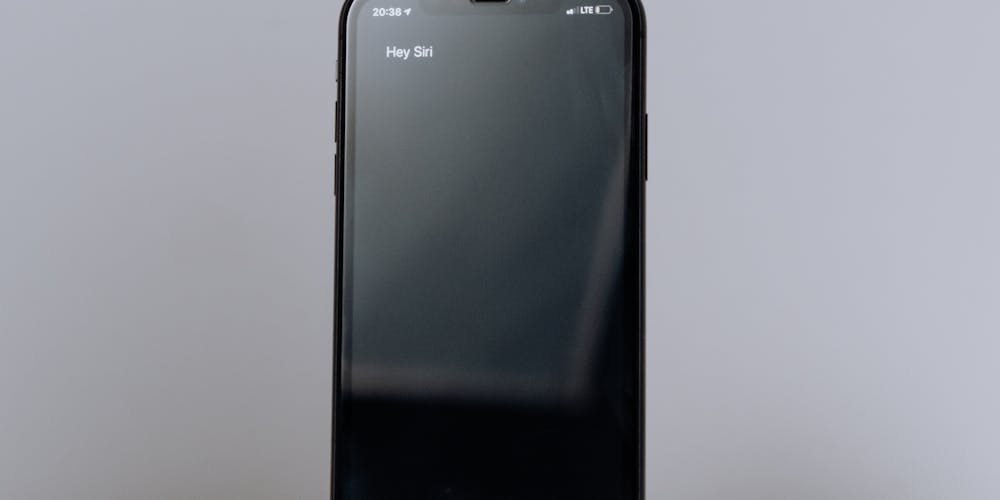
In a bold move that could redefine our interactions with mobile devices, Apple is reportedly gearing up to take Siri, its virtual assistant, to the next level. This ambitious upgrade hinges on a partnership with OpenAI, the architects behind the GPT technology. Since mid-2023, Apple has been in talks to integrate this advanced tool into the forthcoming iOS 18. This integration promises to transform Siri from a simple voice-operated assistant into something far more sophisticated—a seamless chatbot capable of handling complex inquiries with ease and providing real-time translations, marking a major leap forward in usability and functionality. Evidence of these developments was spotted in internal references within iOS 17.4’s code, indicating that testing and implementation might already be underway.
Microsoft: Concerns and Compensation
While this Apple-OpenAI alliance could herald a new era for Siri, not everyone is welcoming the news with open arms. On the opposite end of this technological breakthrough stands Microsoft, a long-time partner of OpenAI and a formidable player in the tech sphere. Microsoft’s concern is two-fold; they anticipate that Apple’s move will hike up the demand for server resources, potentially impacting their own operations. But beyond logistical considerations, there’s also the financial side of the equation. Microsoft has poured a substantial $13 billion into OpenAI, expecting a slice of future profits. As Apple cozies up to the table, Microsoft is insisting on getting a cut, as compensation for their hefty investment and support of OpenAI’s growth.
Apple’s AI Ambitions: Independence and Privacy
Indicative of its vigorous pursuit of AI mastery, Apple is not solely relying on external partnerships. It is also negotiating with Google for the Gemini project and crafting its own in-house language model, focusing on offline tasks such as text summarization. This drive towards independence spells a balanced approach—leveraging leading AI tech while fostering their proprietary systems. As the Worldwide Developers Conference (WWDC) on June 10, 2024, approaches, the tech community is buzzing with anticipation over the reveal of iOS 18’s AI capabilities. Apple’s commitment to user privacy remains strong amidst these advancements. The company plans to employ ‘confidential computing’ techniques to safeguard user data on its AI servers. With its eyes set firmly on excelling in the AI domain, Apple is carving out a strategy that is not only technologically sophisticated but also privacy-conscious, ensuring that the upcoming software updates offer a revolutionary yet secure user experience.