
Is Robot-Performed Dentistry the Future of Automated Dental Care?

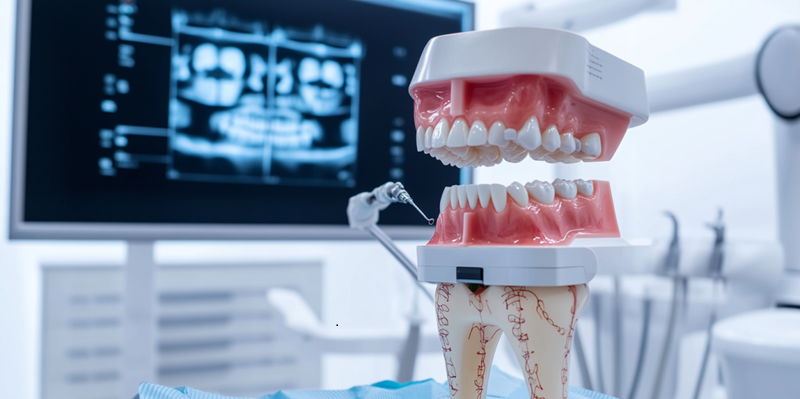
The groundbreaking achievement of the world’s first fully automated robotic dental surgery, completed by Perceptive, a U.S.-based company, marks a significant milestone in medical technology. Utilizing a robotic arm powered by artificial intelligence (AI) and advanced 3D imaging, the system successfully scanned, analyzed, and performed the dental procedure with impressive precision. This innovation aims to enhance both efficiency and accuracy in dental care, with the capability of completing a crown replacement in a mere 15 minutes compared to the conventional procedure that typically takes up to two hours. Dr. Chris Ciriello, CEO of Perceptive, has emphasized the transformative potential of this advanced technology in improving patient experiences and clinical outcomes. Despite the anticipated years-long regulatory approval process in the U.S., this success demonstrates the promising future of automated dentistry as a whole.

Transforming Dental Care with AI and Robotics

The evolving trend highlights a major shift towards improved accessibility and accuracy in dental treatments, potentially setting new standards in patient care. This collective story highlights the significant impact AI and robotics can have in enhancing healthcare practices, with Perceptive’s milestone leading to innovative and efficient dental procedures. AI integration in dental care could result in more precise diagnoses, tailored treatment plans, and fewer errors, while also cutting down the time patients spend at the dentist. For example, this robotic system’s ability to perform intricate tasks with remarkable accuracy showcases a future where dental treatments are more predictable, minimally invasive, and much faster.

Although widespread adoption may be slow due to strict regulatory requirements and the need for extensive clinical trials, Perceptive’s achievement in fully automated robotic dental surgery marks a substantial advance. The progress thus far highlights the potential of AI and robotics in healthcare, pointing to constant advancements in medical technology. Moving forward, the focus will be on refining these systems, ensuring their dependability, and making them more widely available. This will ultimately establish new benchmarks in dental care for the future.

Explore more

Microsoft Dynamics 365 Finance Transforms Retail Operations

In today’s hyper-competitive retail landscape, success hinges on more than just offering standout products or unbeatable prices—it requires flawless operational efficiency and razor-sharp financial oversight to keep pace with ever-shifting consumer demands. Retailers face mounting pressures, from managing multi-channel sales to navigating complex supply chains, all while ensuring profitability remains intact. Enter Microsoft Dynamics 365 Finance (D365 Finance), a cloud-based

How Does Microsoft Dynamics 365 AI Transform Business Systems?

In an era where businesses are grappling with unprecedented volumes of data and the urgent need for real-time decision-making, the integration of Artificial Intelligence (AI) into enterprise systems has become a game-changer. Consider a multinational corporation struggling to predict inventory shortages before they disrupt operations, or a customer service team overwhelmed by repetitive inquiries that slow down their workflow. These

Will AI Replace HR? Exploring Threats and Opportunities

Setting the Stage for AI’s Role in Human Resources The rapid integration of artificial intelligence (AI) into business operations has sparked a critical debate within the human resources (HR) sector: Is AI poised to overhaul the traditional HR landscape, or will it serve as a powerful ally in enhancing workforce management? With over 1 million job cuts reported in a

Trend Analysis: AI in Human Capital Management

Introduction to AI in Human Capital Management A staggering 70% of HR leaders report that artificial intelligence has already transformed their approach to workforce management, according to recent industry surveys, marking a pivotal shift in Human Capital Management (HCM). This rapid integration of AI moves HR from a traditionally administrative function to a strategic cornerstone in today’s fast-paced business environment.

How Can Smart Factories Secure Billions of IoT Devices?

In the rapidly evolving landscape of Industry 4.0, smart factories stand as a testament to the power of interconnected systems, where machines, data, and human expertise converge to redefine manufacturing efficiency. However, with this remarkable integration comes a staggering statistic: the number of IoT devices, a cornerstone of these factories, is projected to grow from 19.8 billion in 2025 to