

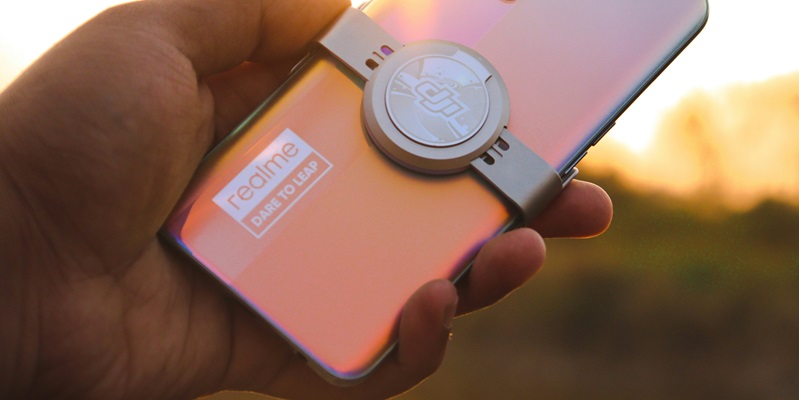
Realme appears poised to shake up the mid-range smartphone market with the highly anticipated Realme 14 Mini. Reports suggest that this could be the company’s first compact model in its established mid-range series, a departure from its conventional devices that typically feature displays around 6.7 inches. The new model is speculated to include a 6.5-inch 1.5K flat display, potentially offering users a more manageable and ergonomic design. In addition to its compact size, the Realme 14 Mini is expected to house a significantly larger battery, possibly reaching or exceeding 6,000mAh, a feature reminiscent of the larger GT7 Pro.
This potential shift towards smaller yet powerful devices could offer a more affordable alternative to higher-end models such as the Oppo Find X8. Realme aims to preserve the device’s performance and gaming capabilities by integrating a processor from the Snapdragon 7 or Dimensity 8xxx lineup, depending on effective thermal management. Such a balance between compactness and robust performance addresses a growing consumer demand for portable devices without compromising on power and efficiency.
Addressing Market Demands
Realme is gearing up to make a significant impact in the mid-range smartphone market with its eagerly awaited Realme 14 Mini. This could be the company’s inaugural compact model within its established mid-range lineup, breaking away from its typical device size of around 6.7 inches. The Realme 14 Mini is rumored to sport a 6.5-inch 1.5K flat display, designed to be more user-friendly and ergonomic. Besides its compact form, it is anticipated to feature a considerably larger battery, potentially reaching or exceeding 6,000mAh, echoing the specifications of the larger GT7 Pro.
This shift toward smaller yet powerful devices could offer a more budget-friendly alternative to premium models like the Oppo Find X8. Realme aims to maintain strong performance and gaming capabilities by incorporating a processor from either the Snapdragon 7 or Dimensity 8xxx series, based on effective thermal management. By balancing compactness with robust performance, Realme addresses a growing consumer demand for portable devices that do not sacrifice power and efficiency. This move could redefine the expectations and preferences within the mid-range smartphone segment.