

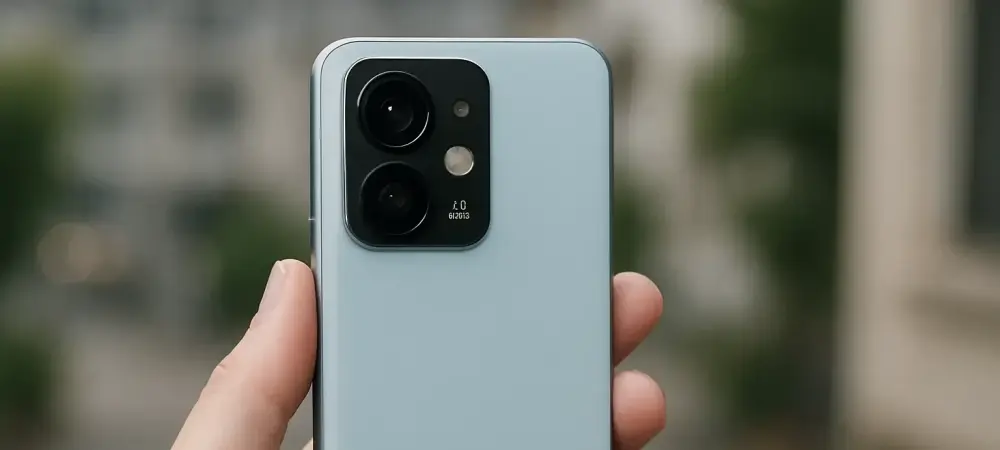
In a smartphone landscape overwhelmingly dominated by devices that stretch the limits of pockets and one-handed use, the growing demand for a more compact yet powerful alternative has become impossible for manufacturers to ignore. For years, consumers seeking top-tier features in a smaller form factor have had limited options, often forced to choose between flagship size or mid-range compromises. Now, industry whispers suggest that Oppo, a company renowned for its stylish and feature-rich Reno series, may be poised to enter this underserved market segment. The rumored arrival of an “Oppo Reno 15 Pro Mini” signals a potential strategic pivot, aiming to capture the attention of users who prioritize ergonomics and portability without wanting to sacrifice the premium design and performance they expect from a modern handset. This move could mark a significant moment for the brand, indicating a keen awareness of evolving consumer preferences and a willingness to diversify its flagship lineup to meet a specific, and increasingly vocal, market need.
A Glimpse into the Potential Specifications
Early reports paint a picture of a device that carefully balances a compact footprint with high-end features, suggesting the Reno 15 Pro Mini will not be a watered-down version of its larger siblings. The phone is expected to be built around a vibrant 6.32-inch AMOLED display framed by slim bezels, contributing to a premium, modern aesthetic. Its physical construction is rumored to include a glass back and a manageable weight of approximately 187 grams, making it comfortable for extended use. A potential Glacier White color option with a unique “ribbon-style finish” hints at Oppo’s continued focus on distinctive design. Beyond looks, the device is tipped to feature exceptional durability, with potential IP66, IP67, and IP69 ratings for comprehensive protection against dust and water ingress. A crucial point of differentiation appears to be in its core processing power; while the standard Reno 15 models in China are powered by the MediaTek Dimensity 8450, the global lineup, including the Pro Mini, is anticipated to utilize Qualcomm’s Snapdragon 7 Gen 4 SoC, indicating a tailored performance strategy for international markets.
A Strategic Global Debut
The emerging details about the Reno 15 Pro Mini’s launch plan suggested a highly targeted and strategic approach by Oppo. The notable absence of this compact model from the initial Chinese release of the Reno 15 series was a strong indicator that the device was conceived primarily for global audiences. Markets like India, where there is a diverse consumer base with varying preferences for form factor, were pegged as likely primary launch regions. The speculation pointed toward a potential debut in December, positioning the phone as a compelling option for the holiday shopping season. This global-first strategy represented a significant vote of confidence in the international market’s appetite for premium, smaller-sized smartphones. It was perceived not just as the launch of a new product, but as a calculated experiment to gauge the viability of this category outside of the established players, potentially paving the way for a more diverse range of form factors in Oppo’s future product roadmaps.