

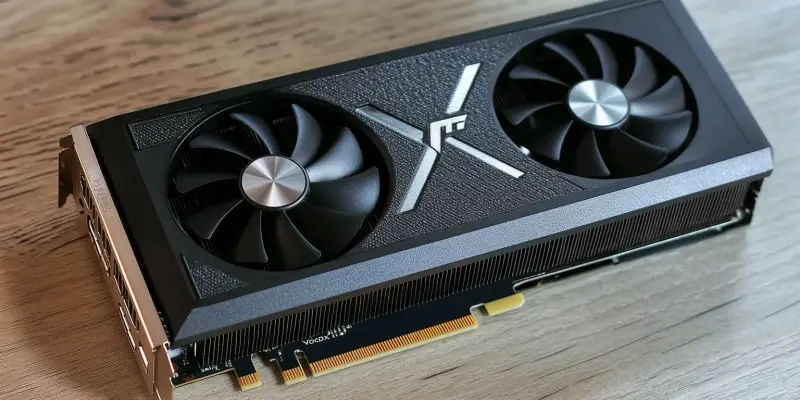
In a flurry of promotional activities and teases, Nvidia has set the tech world abuzz with hints about the forthcoming RTX 5000 series GPUs, with many speculating that the official announcement might happen at CES 2024. The strategic engagement through the GeForce Hype Meter and nostalgic activities celebrating 25 years since the GeForce 256 launch has piqued interest among both fans and tech enthusiasts. Nvidia isn’t just celebrating the past with its #GeForceGreats campaign, but is building anticipation for what promises to be a major leap in GPU technology. The culmination of this campaign is marked by ongoing debates around iconic PC gaming moments, all leading up to a prize-laden conclusion, including the potential of snagging a custom PC.
Additionally, Nvidia has been deliberate with its breadcrumbs, with promotions indicating something big is brewing “before we look into the future.” The GeForce LAN 50 event factored heavily into this speculation, clearly timed to wrap up just as CEO Jensen Huang is set to deliver his keynote speech at CES on January 6. The repeated use of the number 50 isn’t seen as mere coincidence but as a clear nod to the pending RTX 5000 series. The hybrid nature of the event allows for participation both online and at select physical venues worldwide. Jensen Huang’s presence at CES, his first since 2019, underscores the weight of the announcement that might be made, fueling further speculation about the unforeseen potentials of the RTX 5000 series GPUs.
The Anticipation and Strategic Teases
As more users engage with the GeForce Hype Meter, the participation-driven campaign seems designed to ramp up excitement and, consequently, the stakes concerning the rewards. In essence, the more buzz generated, the better the prizes Nvidia promises to offer, a marketing tactic that has proven successful in other contexts. The #GeForceGreats initiative pushes fans to take a trip down memory lane and relive some of the most iconic moments in PC gaming, serving a dual purpose: celebrating Nvidia’s storied history while effectively setting the stage for its next big reveal.
The pointed mention of timing the GeForce LAN 50 event to end as Huang’s CES keynote begins was not lost on industry analysts and fans keen to decipher Nvidia’s next move. Speculation about the new series has reached fever pitch with symbolic elements, like the number 50, serving as a consistent thread throughout recent promotional efforts. GeForce LAN 50 serves not only as a nostalgic nod but as a functional tool to keep the community engaged and curious about what the future holds. Offering options for both online and in-person participation broadens the campaign’s reach, ensuring no one is left out of the unfolding excitement.
What to Expect from the RTX 5000 Series
The tech world’s anticipation is matched by concerns and expectations, particularly surrounding the potential performance of the initial RTX 5000 series cards. There is a cautious optimism, tinged with a palpable sense of skepticism, about whether Nvidia has learned from past mistakes regarding pricing. With AMD not directly competing in this arena and Nvidia’s revenue increasingly reliant on AI products, pundits and consumers alike worry the new GPUs might come with a steep price tag. This sentiment recalls the backlash faced during the RTX 4090 and 4080 releases, where many felt the pricing was excessive, leading to a tricky balancing act for Nvidia as it prepares to unveil its latest offerings.
In a tantalizing twist, the recent reveal of The Witcher 4 trailer at The Game Awards—rendered on an unannounced Nvidia GPU—has fans speculating that it might well be the RTX 5090. This possibility adds another layer of excitement, though it also raises questions about availability and price. As Nvidia gears up for what promises to be a significant launch, the company’s strategy appears centered not just on innovation but on managing expectations and market positioning. The repeated hints and careful build-up signal the company is aiming for nothing less than a blockbuster reveal that could redefine gaming and professional graphics.
The Excitement Builds Towards CES 2024
Nvidia has stirred excitement in the tech community with hints about the upcoming RTX 5000 series GPUs, potentially set for an official unveiling at CES 2024. Through strategic engagement tools like the GeForce Hype Meter and events commemorating 25 years since the GeForce 256 debut, interest from fans and tech aficionados has surged. Their #GeForceGreats campaign not only celebrates past achievements but also builds buzz for a significant advancement in GPU technology. This campaign includes discussions about iconic PC gaming moments, ultimately leading to a grand prize, possibly a custom PC.
Nvidia’s promotional teasers suggest major developments are imminent, as seen with the timing of the GeForce LAN 50 event, which concludes just before CEO Jensen Huang’s keynote at CES on January 6. The repetition of the number 50 hints at the forthcoming RTX 5000 series. The event’s hybrid format allows for both online and physical participation worldwide. Jensen Huang’s appearance at CES, his first since 2019, further elevates the anticipation around the likely major announcement of the RTX 5000 series GPUs, sparking more speculation on their undiscovered capabilities.