

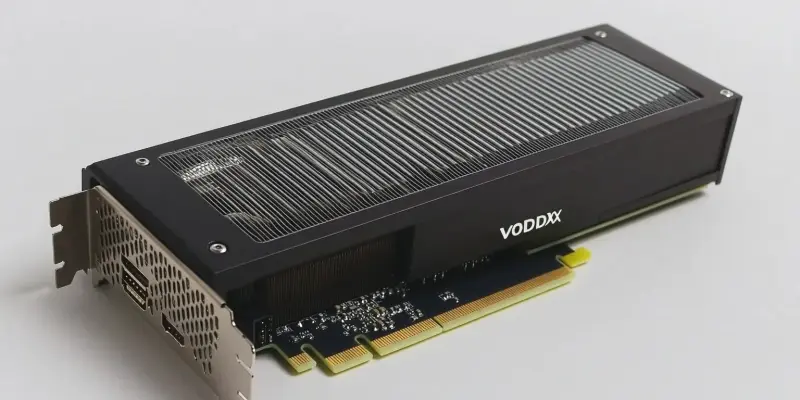
A small team of enthusiasts, led by Oscar Barea, is breathing new life into the historic 3dfx Interactive’s graphics card line through the modern revival known as the 3dfx VoodooX project. This ambitious endeavor sought to create a fully functional video card based on the VSA-100 chip, the final 3D accelerator developed by 3dfx before its acquisition by Nvidia. Despite a significant hiatus in development due to the remodeling of Barea’s house, which left him without access to his lab for over eight months, work on the VoodooX project has resumed with promising updates.
A New Card Design
Interface Support and Design Aesthetics
Barea’s dedication to the project is evident in the card’s new design, which now boasts HDMI, DVI, and VGA interface support, catering to both modern and older display connections. This inclusion alone places the VoodooX card at the intersection of classic and contemporary technology. Additionally, the stylish white printed circuit board was chosen to fit a “Christmas design,” underlining the mixture of technical prowess with artistic flair in this project. The aesthetics of the card are not just about appearances but are also designed to represent the nostalgic yet forward-thinking spirit of the VoodooX project.
The development of this card reveals the broader objective of preserving, honoring, and advancing technologically significant hardware from the past. Despite the obstacles faced during the project, including the lengthy break due to house remodeling, the team remained focused on their goals. The resilience shown by the project’s leader demonstrates the deep commitment and passion that drive many tech enthusiasts. With the modern interface support and improved design elements, the VoodooX card embodies a thoughtful blend of history and innovation.
Memory Configuration and Bug Fixes
Recent developments in the project have centered on refining the design, including fixing minor bugs and rerouting the memory signal to ensure improved performance. A critical innovation mentioned in these updates is a switch for toggling the memory configuration for each VSA-100 chip between 32MB and 64MB, which allows the chip to utilize its maximum support capacity of 64MB. This feature ensures that users can optimize their card’s performance based on their specific needs and available resources.
Barea’s meticulous testing of these enhancements is crucial to measuring the card’s functionality and performance through various demos and games. This rigorous process outlines the level of precision and attention to detail essential in developing such an ambitious project. The fixes and improvements illustrate not only technical acumen but also an understanding of the market’s needs. As each enhancement is tested and refined, the VoodooX card moves closer to its ultimate goal of seamlessly combining historical significance with modern usability.
Community Support and Legacy Preservation
The Role of 3dfx Enthusiasts
Following Nvidia’s acquisition of 3dfx’s assets in 2002 and the company’s subsequent bankruptcy, enthusiasts have tirelessly worked to maintain the relevance of 3dfx technology. Barea’s detailed efforts and the broader VoodooX project signify a collective endeavor by tech enthusiasts to revive historically significant technologies. Community members were particularly driven by a 2003 leak of the 3dfx driver source code, which facilitated community-driven support at a time when Nvidia had withdrawn its backing for the older technology.
For many of these enthusiasts, preserving and advancing such technology is not merely a hobby but a dedication to honoring milestones in the evolution of PC gaming graphics. By continuing the work where giants have left off, these individuals ensure that the iconic legacy of the Voodoo series remains influential. Their passion is reflected in the countless hours spent refining designs, troubleshooting issues, and developing new features. This continues to be a testament to the enduring interest in 3dfx’s contributions within the tech and gaming industry.
Emulators and Persistent Interest
Alongside physical projects like the VoodooX card, the enduring interest in 3dfx technology is also fostered through the use of PC emulators like PCem, 86Box, and DOSBox-X. These programs allow users to access classic 3dfx-compatible games, further reinforcing the lasting utility of 3dfx’s innovations in PC gaming graphics. Emulators serve as contemporary methods to experience and appreciate gaming history, preserving the techniques and technologies that once revolutionized the gaming landscape.
With emulators, a new generation of gamers and tech enthusiasts can explore the groundbreaking effects and functionalities introduced by 3dfx. These programs play a crucial role in maintaining an accessible link to the past, allowing the technology to stay relevant and appreciated despite the passage of time. The persistent commitment from the community to keep the 3dfx spirit alive demonstrates the significant impact the company had on the industry. By exploring both physical revivals and digital preservation methods, enthusiasts ensure that the legacy of 3dfx continues to inspire and innovate within the tech world.
Conclusion
A dedicated team of enthusiasts, spearheaded by Oscar Barea, is rejuvenating the legacy of the iconic 3dfx Interactive’s graphics card line through the modern revival effort dubbed the 3dfx VoodooX project. This ambitious project aims to create a fully operational video card utilizing the VSA-100 chip, which was the last 3D accelerator developed by 3dfx before its acquisition by Nvidia. Despite encountering a significant delay in the development process due to Oscar Barea remodeling his house, which left him without access to his lab for over eight months, progress on the VoodooX project has resumed. Recent updates are promising, suggesting that the team is back on track and making headway. Additionally, the project is garnering attention within the tech community for its nostalgic value and technological innovation. The commitment and passion demonstrated by Barea and his team are breathing new life into a beloved piece of gaming history, blending classic hardware design with modern advancements.