

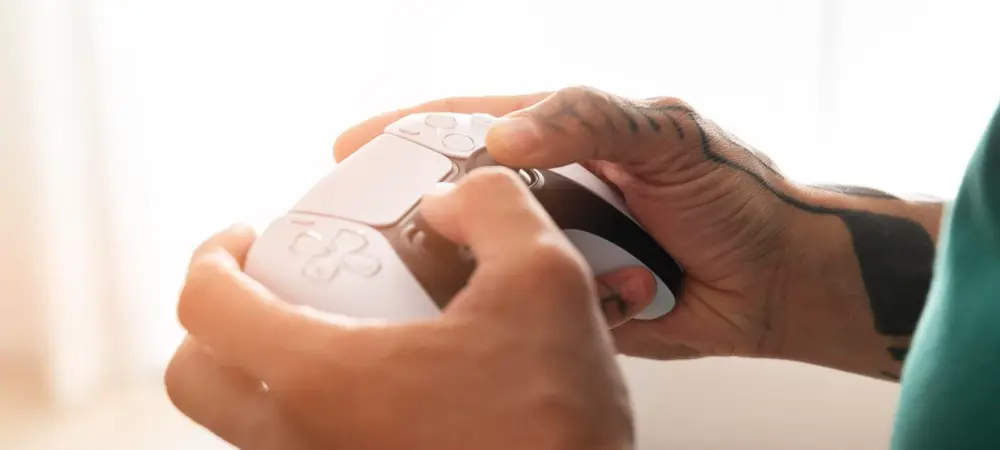
The nostalgia wave in gaming shows no signs of ebbing, as evidenced by Nintendo’s strategic blend of classic appeal with modern enhancements in its latest offering. The release of the Nintendo Switch 2 GameCube controller has stirred considerable excitement, prompting discussions about its role and impact in the current gaming industry. With its roots reaching back to one of Nintendo’s most cherished eras, this controller promises to deliver both a throwback experience and contemporary functionality. It is designed for enthusiasts of the original GameCube games and caters to the growing demand for retro-style gaming experiences. The question that arises is whether this updated controller truly lives up to its hype. Does it successfully bridge the gap between nostalgic gameplay and modern technology, or does it merely tread in the worn footprints of its predecessor without offering meaningful advancements?
Reimagining Nostalgia
One of the most striking aspects of the Nintendo Switch 2 GameCube controller is its commitment to replicating the charm of the early 2000s original while integrating important technological upgrades. This duality is at the heart of its appeal for both seasoned gamers and a new generation discovering classic titles. The design carefully retains the beloved distinctive button layout and overall feel of the original GameCube pad, transcending mere replication. True to the original, the controller bears the hallmarks of ergonomic asymmetry and characteristic button positions, inviting a sense of familiarity for those who have long associated these features with some of their fondest gaming memories. The deliberate effort to maintain this tactile authenticity is apparent, yet it spurs debate on whether nostalgia should equate to retaining every originally problematic design element, such as the mushy directional pad and cumbersome triggers, which have been carried forward.
Beyond mere visual and tactile fidelity, the controller moves into the present-day gaming ethos with significant enhancements. Wireless performance grants a newfound freedom not afforded by its corded ancestor, eliminating the spatial constraints of classic couch co-operative plays. Moreover, the added Home and GameChat buttons fit seamlessly within the nostalgic framework while providing players with much-desired modern conveniences. This attempt at balancing tradition with evolution speaks to a keen awareness within Nintendo of both preserving the past and embracing the possibilities of the future, ensuring that gamers enjoy a hybrid experience without detracting from historical authenticity.
Modernization with Purpose
The introduction of wireless functionality marks a pivotal transition for the GameCube controller, aligning it closely with contemporary user expectations. Uncluttered by cables, the device promotes ease of movement and setup, which is vital for modern gameplay experiences characterized by dynamic player interaction and varied gaming environments. Coupled with robust battery life, estimated to extend anywhere from 25 to 30 hours on a single charge, the controller’s enhancements rightly position it as a competitive choice among today’s wireless peripherals. This advancement embodies an understanding of gamers’ need for reliability and endurance, both of which contribute significantly to an uninterrupted gaming experience. The integration of additional utility buttons, such as the Screenshot and GameChat features, substantiates this transformation, showcasing Nintendo’s consideration for functionalities integral to modern gaming ecosystems. These enhancements expand the controller’s versatility beyond the realm of nostalgia, providing new avenues for interaction and content sharing. It hints at an evolution in user engagement, where sharing experiences and engaging with others directly from the device becomes not just possible but intuitive. Simultaneously, these features underline the controller’s intended primary audience, those players who wish to embellish their nostalgia-infused gameplay with the interactive possibilities of today’s gaming standards.
Trade-offs in Authenticity and Availability
Despite the appeal of merging the past with the present, the Nintendo Switch 2 GameCube controller presents a unique conundrum in availability and specific design carryovers. Currently, it is exclusively available through Nintendo’s online store, with purchasing restricted to active subscribers of Nintendo Switch Online. Though this limitation aims to target owners of the Switch 2 who wish to indulge in its extensive GameCube library, it draws criticism from potential buyers interested only in the controller’s retro charm. This exclusivity not only restricts broader access but also emphasizes its intended use case, aligning closely with Nintendo’s strategic focus on subscription models and digital libraries.
The nostalgia-centric design choices, while a primary selling point, have been received with mixed reactions in terms of functionality. The carryover aspects like the unwieldy triggers and less-than-optimal d-pad reflect an authenticity-driven approach that some might argue comes at the expense of user-friendliness and ergonomic advancement. Though they contribute to the controller’s classic feel, these elements spark discussions on the intricate balance between maintaining faithful revivals and optimizing technological improvements for tangible benefits. Such trade-offs are emblematic of the broader discourse within the gaming industry, where the emphasis on nostalgia is frequently juxtaposed with the imperative for progressive innovation and user experience refinement.
Looking Ahead
The Nintendo Switch 2 GameCube controller brilliantly bridges the gap between the nostalgic charms of its early 2000s predecessor and the modern enhancements demanded by today’s gaming environment. This blend captures the interest of both veteran players familiar with the original GameCube and newcomers eager to explore classic games. It retains the unique button layout and ergonomic design that were hallmarks of the original, including its asymmetrical form and specific button positions, sparking familiarity and nostalgia for those who cherished these elements in their past gaming experiences.
However, this nod to nostalgia invites a debate: should certain flaws from the past, such as the less-than-ideal directional pad and bulky triggers, be perpetuated for the sake of authenticity? The controller deftly navigates this challenge by integrating essential modern upgrades. Now wireless, it liberates players from previous corded limitations, offering more freedom in cooperative gameplay. Additionally, the inclusion of Home and GameChat buttons ensures it caters to current gaming needs without sacrificing its retro appeal.
Nintendo’s strategy to honor the legacy of the GameCube while also innovating for the present-day market is evident in this thoughtful melding of tradition and progress. This approach allows players to experience the familiar feel of the past while enjoying the conveniences of modern technology, presenting a hybrid gaming experience that is both comforting and contemporary.