

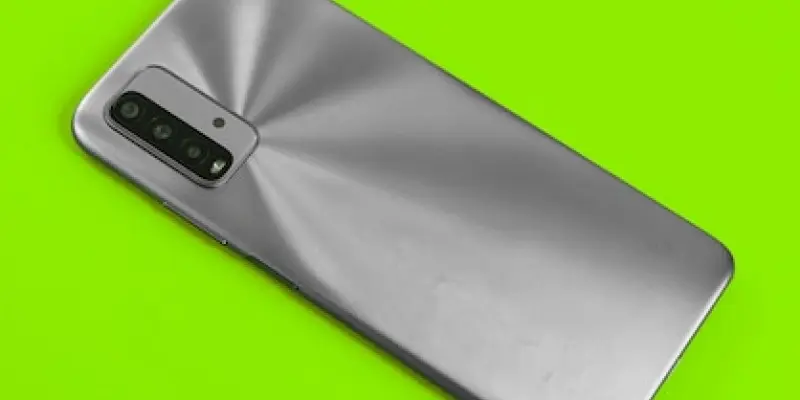
The newly unveiled Motorola Edge 60 Pro is stirring interest in the smartphone market, emerging as a strong contender in the mid-range sector. Positioned as a successor to the Edge 50 Pro, this device is meticulously designed to incorporate various upgrades and refinements. Motorola’s efforts to address previous critiques are remarkably evident in the comprehensive enhancements in user experience and functionality. This early review explores key areas such as design, display, camera capabilities, performance, and user interface, evaluating the model’s potential to be the ultimate challenger in its category.
Design and Build Quality
Continuing the Legacy
The Edge 60 Pro elegantly preserves the core aesthetic appeal of its predecessor, the Edge 50 Pro, notably maintaining the vegan leather-wrapped texture that many users appreciated. Yet, the device is not just a reiteration but a significant evolution in terms of resilience and build quality. Achieving an IP69 rating, the Edge 60 Pro promises heightened protection against water and dust, a crucial upgrade for day-to-day durability. Additionally, with the MIL-STD-810H certification, the smartphone demonstrates its capacity to withstand various environmental stressors, reflecting Motorola’s commitment to delivering both style and substance. These certifications speak volumes about Motorola’s attention to enhancing the robust nature of the device without compromising on the elegant design that has become synonymous with the Edge series.
Color Variants and Ergonomics
The Motorola Edge 60 Pro offers a rich palette of choices with three distinct color variants: Shadow, Sparkling Grape, and Dazzling Blue. Among these, the Sparkling Grape finish is particularly lauded for its refined elegance, catering to the diverse aesthetic preferences of consumers. This attention to style is complemented by practical improvements in ergonomics. The redesigned 4C curved display utilized in the Edge 60 Pro is deliberately crafted to lessen the curvature at the top and bottom, enhancing both the ergonomic grip of the phone and the overall viewing experience. These careful considerations suggest Motorola’s dedication to simultaneously elevating form and function. By focusing on user-friendly elements, such as how the device feels in hand and its visual appeal, Motorola strives to appeal to both new and loyal customers.
Enhanced Display and Camera Features
Display Innovations
Motorola’s approach to the Edge 60 Pro’s display innovatively balances visual richness with practical usability. The device comes equipped with a 6.67-inch pOLED panel, a significant feature supporting 1.5K resolution alongside a 120Hz refresh rate. Although this marks a step down from the 144Hz refresh rate of its predecessor, the decision is strategic, favoring improved brightness and visual clarity. With a peak brightness reportedly reaching 4,500 nits, the Edge 60 Pro is designed to perform exceptionally well in varied lighting conditions, ensuring users enjoy vibrant color saturation and sharp imagery. This shift reflects Motorola’s focus on creating an immersive viewing experience that accommodates everyday usage scenarios, prioritizing quality over quantity in the refresh rate metric.
Camera Capabilities
The Edge 60 Pro’s camera setup underscores Motorola’s commitment to elevating mobile photography. A notable upgrade is the inclusion of a new 50-megapixel Sony LYT 700C main sensor, bolstered by an innovative dual-purpose ultrawide camera that can also function as a macro lens. This sophisticated camera system promises users enhanced versatility in capturing diverse photographic perspectives with greater clarity and detail. While certain elements such as laser autofocus have been omitted, Motorola has compensated with a multi-spectrum sensor that augments color accuracy, aligning with Pantone-validation standards. This advancement suggests Motorola’s intent to deliver not only hardware excellence but also software enhancements that harmonize to produce superior photographic results.
Performance and Battery Life
Processing Power
At the heart of the Motorola Edge 60 Pro’s performance is a significant shift in processing capabilities. The transition from Qualcomm’s Snapdragon 7 Gen 3 to the MediaTek Dimensity 8350 Extreme processor is a strategic move aimed at bolstering the device’s overall speed and efficiency. This advancement is paired with up to 12GB of LPDDR5X RAM and 256GB of UFS 4.0 storage, ensuring it can handle demanding applications and multitasking with relative ease. Such specifications indicate Motorola’s intent to offer a swift and reliable user experience, meeting modern performance demands that target tech-savvy consumers and power users alike. The emphasis on a superior processor and generous memory portrays Motorola’s keen awareness of market expectations in processing power within this competitive segment.
Battery Enhancements
Battery life is a fundamental aspect of user experience, a factor Motorola has decisively addressed in the Edge 60 Pro. The device features a robust 6,000mAh battery, a noticeable improvement from its predecessor, which users will likely appreciate for its potential to extend device usage between charges. Although the wired charging capacity has been reduced to 90W, this transition indicates a thoughtful prioritization toward achieving more sustainable battery life. Wireless charging continues with a 15W capacity, a reflection of Motorola’s steadfast maintenance of consumer-friendly charging solutions. This upgrade suggests an understanding of the practical challenges faced by users, offering enhancements that align with real-world needs, and showcasing Motorola’s dedication to evolving along with consumer expectations.
Software and User Interface
Introduction of Moto AI 2.0
The integration of Moto AI 2.0 into the Motorola Edge 60 Pro’s software suite marks a forward-thinking approach to enhancing the user interface. Built on top of the Android 15 Hello UI, this AI-driven functionality is poised to redefine how users interact with their devices, suggesting an ambition to create a more intuitive and seamless digital experience. Although early reviews do not fully detail the extent of Moto AI 2.0’s capabilities, the preliminary insights indicate that Motorola envisions a future where AI significantly influences daily smartphone use. This strategic inclusion points toward a holistic approach that combines artificial intelligence with user-centric design, setting the stage for new possibilities in consumer engagement and satisfaction.
User Experience
The Motorola Edge 60 Pro recently entered the smartphone market, creating a buzz and positioning itself as a formidable option within the mid-range category. As a successor to the Edge 50 Pro, this new model is thoughtfully crafted to introduce several upgrades and refinements, showcasing Motorola’s dedication to enhancing the smartphone experience. The company has clearly responded to feedback from its earlier model, implementing significant improvements to elevate both user experience and overall functionality. This early review takes a deep dive into essential aspects such as the design, display quality, camera features, performance metrics, and user interface of the Edge 60 Pro. By examining these areas, we’re evaluating whether this smartphone can truly become the leading competitor in its segment. The focus is on how these enhancements contribute to making the Motorola Edge 60 Pro a worthy competitor against other mid-range smartphones, promising a blend of innovation and practicality that could appeal to a broad audience.