

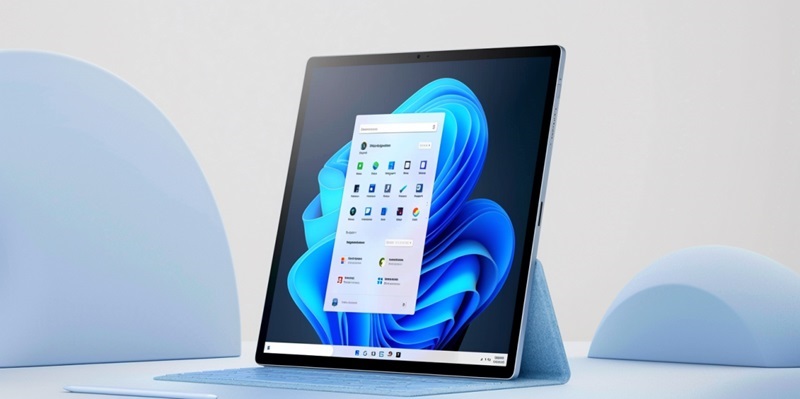
In the ever-evolving digital landscape, optimizing the performance of computer systems remains a critical concern for users and corporations alike. Microsoft’s contribution to this endeavor comes in the form of the Microsoft PC Manager app, which promises to enhance and streamline Windows systems for better performance. As a free utility available on the Microsoft Store, it was designed to provide users with an easy way to manage resources, clear out unnecessary files, and maintain their systems. However, one feature has particularly caught the eye of industry observers and users, stirring up a discussion that goes beyond simple performance optimization.
The Debate Around Default Search Engine Promotion
The Controversial “Repair” Feature
The “Repair tips” feature embedded within Microsoft PC Manager is a bone of contention. It sends an alert to users who have chosen a search engine other than Bing, suggesting that their system requires a “repair,” language that connotes a problem that needs to be fixed. The implication is unmistakable, using a search engine other than Bing is treated as an issue, a notion that seems more akin to corporate promotion than genuine concern for system health. Critics argue that this method of nudging users back to Bing under the guise of a repair tool is misleading, especially to those less familiar with technology who trust Microsoft’s guidance to maintain their systems.
User Autonomy vs. Corporate Interests
While Microsoft may position this feature as a well-intentioned alert for potentially unwanted changes, the consensus seems to lean towards the critique that this is an overreaching effort to promote Bing. The question that naturally emerges is the balance between ensuring user autonomy and maintaining corporate interests within the digital tools provided. For companies like Microsoft, the temptation to leverage their software’s ubiquity to push their services is apparent, but it remains a contentious practice. As such, the feature has revived the dialogue about the degree to which tech companies should be allowed to self-promote, a discussion made more complex by the part corporate software plays in the average user’s daily digital routine.
Historical Context and the Broader Discourse
Past Practices and User Pushback
This is not the first time Microsoft has found itself under scrutiny for employing assertive tactics to market its products. Windows updates, recommendations within Office, and nudges towards Microsoft Edge have historically been met with mixed reactions from the user base. Whenever such methods have stepped into the user experience with commercial incentives, a vocal portion of the user base has pushed back. Instances like these highlight the delicate nature of the relationship between technology providers and users, where trust can be strained by seemingly benign features or prompts perceived as self-serving.
Balancing the Scale
In today’s digital era, optimizing computer performance is vital for both individual and corporate users. Microsoft enters the scene with its Microsoft PC Manager app – a tool aimed at improving Windows system efficiency. This app, freely downloadable from the Microsoft Store, serves as a straightforward solution for managing system resources, removing redundant files, and general system upkeep. What makes the PC Manager stand out is a specific feature that has caught significant attention, sparking discussions extending well beyond basic system optimization. This feature reflects Microsoft’s commitment to enhancing user experience and keeping Windows systems running smoothly. As the digital landscape grows, tools like this become more indispensable for handling the complexities of computer management. The unique aspect of the PC Manager’s functionality underscores Microsoft’s innovation in addressing common system maintenance challenges.