

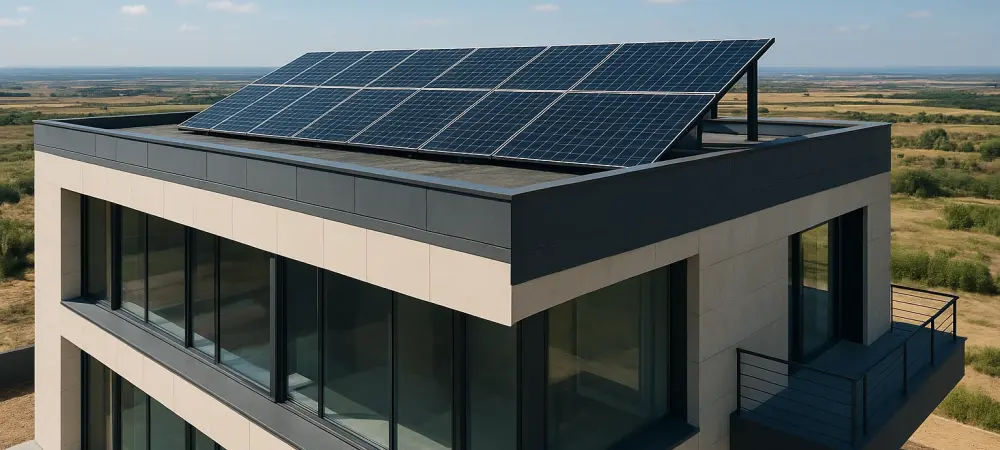
The sun-drenched plains of central Spain are currently witnessing a profound architectural shift that has nothing to do with tourism and everything to do with the silicon-based engines powering our global future. While the traditional European markets of Frankfurt, London, Amsterdam, and Paris have long dominated the digital landscape, a massive investment in Madrid’s Alcalá de Henares is signaling a shift in the continent’s technological gravity. This nearly €800 million initiative represents more than just construction; it is a calculated bet on Spain’s ability to host the world’s most demanding artificial intelligence workloads.
The Silent Architect of Europe’s AI Revolution
Madrid has emerged as the clear alternative to the saturated markets of Northern Europe, offering a combination of available land and robust connectivity. The city is no longer just a secondary node but is rapidly becoming the backbone of a digital economy that requires massive scale and specialized infrastructure. As traditional hubs face power constraints and regulatory hurdles, the Spanish capital is absorbing the demand for high-density computing that defines the current era.
The shift is driven by the realization that geographical diversity is essential for the resilience of the European cloud. By establishing a dominant presence in the Mediterranean, developers are creating a more balanced distribution of data processing power. This evolution ensures that the continent is not overly dependent on a few specific cities, allowing Madrid to step into its role as a primary gateway for digital services.
Beyond the Cloud: Why Digital Infrastructure Is the New Sovereign Wealth
In a period where data serves as the primary engine for economic growth, the physical locations housing this information are becoming critical to national sovereignty. The surge in generative AI demands more than simple storage; it requires facilities capable of managing extreme thermal loads and high-density power distribution. Madrid is currently preparing to host 58 new digital infrastructure projects, which represent approximately €15 billion in potential investment, securing its position as a vital nerve center for innovation.
This transition highlights how regional development is now inextricably linked to digital capacity. These data centers facilitate everything from advanced medical research to the modernization of public services, ensuring that local industries have the low-latency access required for modern competition. By treating data infrastructure as a form of sovereign wealth, the region is building a foundation that will support economic activity for decades.
Scaling for the Future: The Alcalá Data Center 3 (ADC3) Expansion
The centerpiece of this transformation is the construction of Nabiax’s ADC3 facility, a project designed to bridge the gap between legacy storage and the intensive requirements of hyperscale providers. This expansion will gradually introduce 100MW of IT capacity from 2026 to 2029, representing a major scaling effort for the Alcalá campus. The project underscores a strategic pivot toward serving global hyperscale clients who require massive, reliable power blocks to run complex AI models.
To maintain environmental balance, the facility integrates closed-loop cooling systems that minimize water consumption, a vital consideration in a region mindful of its natural resources. This technical sophistication is paired with a history of strategic evolution, as Nabiax transitioned from its origins with Telefónica to its current status under Aermont’s ownership. By focusing specifically on the Spanish domestic market, the company has consolidated its resources to build one of the most powerful computing clusters in Southern Europe.
Expert Perspectives on Madrid’s Competitive Edge
Industry leaders view the rise of Madrid as the result of a deliberate synergy between private capital and proactive governance. CEO Pablo Ruiz-Escribano has characterized these data centers as the essential “home of artificial intelligence,” where the next generation of technological breakthroughs will be nurtured. This vision aligns with the regional government’s efforts to create a predictable legal framework that provides security for long-term, high-value investments.
Regulatory stability acts as a magnet for foreign capital, as noted by Regional President Isabel Díaz Ayuso during recent infrastructure milestones. Beyond the legal environment, there is a strong focus on cultivating local talent through partnerships with academic institutions like the University of Alcalá. These programs provide scholarships and internships, ensuring that the surge in technical infrastructure is matched by a workforce capable of managing and innovating within these complex environments.
Identifying Key Indicators of a High-Growth Data Hub
For those evaluating the region’s potential, several factors define its readiness for an AI-driven economy. Foremost is hyperscale compatibility, which requires a power grid and land availability capable of supporting campuses exceeding 100MW. Madrid’s ability to provide these resources while maintaining proximity to major fiber backbones allows for low-latency connectivity to Africa and the Americas, leveraging Spain’s unique geographic position as a landing point for subsea cables.
The success of such a hub also depends on the alignment between public and private sectors to accelerate construction timelines. Utilizing regional development grants and streamlined permitting processes has allowed projects to move from planning to operation with increased efficiency. This coordination ensures that the infrastructure is ready to meet the immediate demands of the tech industry, rather than reacting to them after the fact.
The strategic pivot toward high-density computing proved to be a decisive moment for the regional economy. Stakeholders recognized that the path to digital leadership required a commitment to both massive power capacity and environmental stewardship. By the time the final phases of the current expansions reached completion, the region successfully established itself as a primary pillar of the European technological ecosystem. Future developments looked toward further grid optimization and the integration of even more advanced cooling solutions to maintain this competitive edge.