

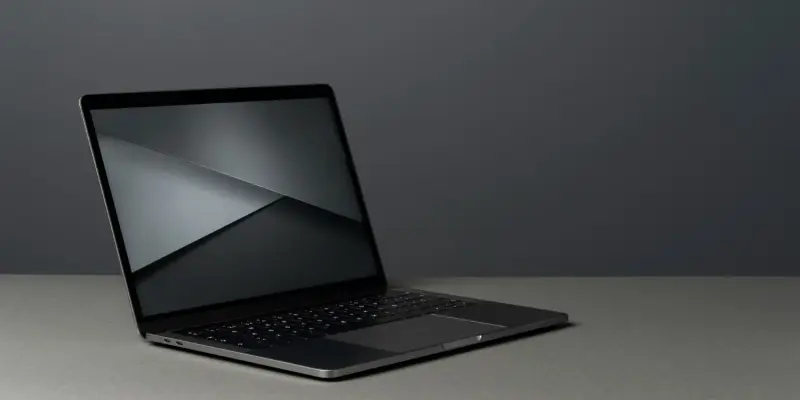
As the laptop market continues to evolve, it has become increasingly difficult to distinguish between premium devices and their more affordable counterparts, both of which now possess advanced features that were once only seen in top-tier laptops. The Lenovo ThinkPad X9 Aura Edition, unveiled at CES 2025, embodies this trend by blending traditional qualities with modern computing innovations. This laptop positions itself as a cost-effective yet premium option within the ThinkPad series, aiming to provide consumers with a high-quality experience without breaking the bank. Its sophisticated design and competitive features have sparked discussions about its potential impact on the industry.
Design Meets Technological Innovation
Aesthetic and Functional Design Features
The ThinkPad X9 Aura Edition manages to uphold the iconic ThinkPad identity while incorporating noticeable advancements in its design. By opting for a thinner and lighter profile, the X9 adapts to contemporary portability demands without sacrificing its traditional robust build. A significant upgrade from older models like the ThinkPad X1 Carbon is the inclusion of a charging port on both sides, providing much-needed convenience in cramped environments such as airplane seats. This change rectifies limitations associated with the single-side charging port found on previous models, demonstrating Lenovo’s attention to user needs and feedback.
Adding practical value, the X9’s design features a distinctive wavy texture on the bottom, potentially enhancing grip and easing handling. This thoughtful aspect complements the laptop’s lightweight construct, despite being slightly heavier than the X1 Carbon at 2.8 pounds. These design choices reflect a growing industry trend where manufacturers prioritize sleeker, more efficient designs that keep up with the user’s fast-paced lifestyle without compromising quality. The result is a device that balances aesthetics and functionality, meeting and even exceeding expectations for a modern laptop.
Advanced Technological Integration
Critical to the X9’s performance is the innovative Engine Hub, which centralizes its computing components on a single PCB. This configuration is supported by dual fans that span the width of the notebook, ensuring effective airflow and thermal management. The inclusion of such technology not only enhances operational efficiency but also minimizes noise output during intensive tasks, such as media editing or gaming. This approach aligns with the industry’s shift toward integrated systems that offer superior performance without adding bulk. Equipped with Intel’s Core Ultra 200V series processors, codenamed Lunar Lake, the ThinkPad X9 benefits significantly from Lenovo’s partnership with Intel. This collaboration results in optimized performance, battery efficiency, and responsiveness, attributes increasingly favored in contemporary laptops. Although sharing processing similarities with the X1 Carbon, the X9 starts with the Core Ultra 5 processor rather than the Core Ultra 7, yet this doesn’t substantially impact performance for the average user. The thoughtful selection of hardware ensures that the X9 delivers a balanced performance profile fitting a wide range of consumer needs.
Performance and Accessibility
Bridging the Gap in Affordability
In an industry where high performance often comes at a steep price, the ThinkPad X9 stands out by offering a premium experience at a comparatively affordable rate of $1,226.61. This pricing is significantly more accessible than that of its sibling, the X1 Carbon, which is priced around $2,000. Lenovo achieves this cost-effective approach by making a few strategic compromises, such as excluding a USB-A port and opting for a slower SSD that operates at speeds of around 5 GB/s. Although some might view these trade-offs as limitations, they do not considerably impact typical consumer tasks, providing an attractive balance between performance and cost.
The decision to focus on affordability without noticeably sacrificing performance opens up the premium ThinkPad experience to a broader audience, making it an appealing choice for those who have previously been priced out of the market. This approach mirrors a broader industry shift toward increased consumer accessibility, where companies strive to deliver high-quality products that cater to varying budget constraints. Through these inclusive strategies, manufacturers like Lenovo are playing a crucial role in redefining the affordability paradigm in the premium laptop segment, thus driving competition and innovation.
Comprehensive Media Experience
The ThinkPad X9 is well-equipped to deliver a rich media experience, bolstered by its OLED display with a resolution of 2880 x 1800 and a 120-hertz refresh rate. Such specifications are conducive to vibrant, sharp visuals, making it ideal for users involved in photo editing, media consumption, and other tasks where display quality is paramount. Despite its similarity to the X1 Carbon’s display, it is important to note a slight impact on battery life, a common trade-off associated with high-quality visual outputs. This balance of attributes ensures that users receive a captivating viewing experience without severe functional drawbacks.
Additionally, the X9 maintains the high standard of keyboard and touchpad quality traditionally associated with the ThinkPad line, though it omits the nostalgic red TrackPoint. While this may disappoint long-time enthusiasts of the ThinkPad series, the exclusion aligns with a broader industry trend where manufacturers focus on larger, more responsive touchpads. The enduring comfort of the keyboard and the precision of the touchpad reinforce the laptop’s commitment to providing seamless user interfaces, thus preserving longstanding excellence in design and functionality.
Enhancements in User Experience
Optimizing Interaction and Security
The ThinkPad X9 Aura Edition integrates advancements in interaction and security, evident in its refinement of biometric features. With Windows Hello and other biometric sensors, the device ensures precise user recognition and quick access, contributing to an enhanced security layer vital in today’s digital age. The implementation of human presence detection further optimizes power efficiency by locking the device and turning off the display when the user is away. Such AI and machine learning-powered innovations mirror the industry’s movement toward intelligent devices that prioritize both user experience and energy management.
While this generation of the ThinkPad X9 strives to exceed in various domains, there is room for improvement in the ergonomic placement of the fingerprint sensor, a contrast noted when compared with its predecessor, the X1 Carbon. Nonetheless, the X9’s security and interaction features represent a natural progression seen in modern laptops, illustrating how technological advancements are continually leveraged to enhance reliability, ease of use, and overall device appeal in a competitive market landscape.
Balancing Tradition with Modern Expectations
As the laptop market undergoes constant evolution, distinguishing between premium devices and more budget-friendly alternatives has grown increasingly challenging. Both categories now feature sophisticated elements that were once exclusive to high-end laptops. The Lenovo ThinkPad X9 Aura Edition, unveiled at CES 2025, showcases this shift by combining classic attributes with cutting-edge computing advancements. This laptop carves out a space as a budget-conscious yet premium item in the renowned ThinkPad line, aspiring to deliver a superior consumer experience without the hefty price tag. It boasts a sleek design and competitive features, igniting conversations regarding its prospective influence on the industry landscape. Consumers can anticipate a blend of durability, efficiency, and style akin to what is expected from top-tier devices. As the demand for multifaceted laptops grows, models like the ThinkPad X9 Aura Edition become pivotal in redefining industry standards, offering quality and affordability in one appealing package.