

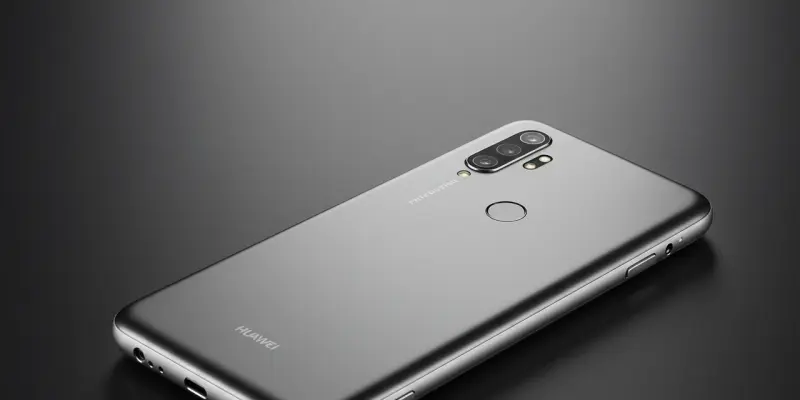
In the rapidly evolving world of smartphone technology, camera innovation continues to be a pivotal focus for firms vying for market dominance. Huawei’s upcoming release, the Pura 80 Ultra, is poised to position itself as a game-changer in the realm of mobile photography. The standout feature propelling this device into the spotlight is its cutting-edge camera system, which promises to redefine consumer expectations. Buzz has been building around the phone’s distinct dual periscope zoom camera hump design, hinting at a bold evolution from its predecessors. Speculations around its capabilities are largely fueled by social media leaks, some of which depict Huawei executive He Gang seemingly using a similar device. This adds an element of authenticity to the speculation and raises the stakes in advancing smartphone camera technology.
Technological Leap in Camera Design
The prominence of the Pura 80 Ultra lies particularly in its revolutionary triple rear camera arrangement, which is said to integrate state-of-the-art elements. The highly anticipated “Red Maple” multi-spectral sensor is slated to be among its core components. Coupled with two 50MP periscope zoom lenses, it seems Huawei may be leveraging its renowned RYYB technology to capture vibrant and comprehensive images. Moreover, it is rumored to employ a newly self-developed sensor equipped with SuperPixGain HDR 2.0 capability, which could enhance photo quality in varied lighting conditions dramatically. Such advancements could potentially set a new benchmark in smartphone photography, allowing the Pura 80 Ultra to deliver unparalleled visual experiences previously unattainable with earlier models.
Integration of Hardware and Software Solutions
Huawei’s notable success in the smartphone camera market is largely reflected in the Pura 80 Ultra, which masterfully combines advanced hardware with sophisticated imaging technology. This model exemplifies Huawei’s dedication to providing a premium user experience by merging technical excellence with user-friendly design. The camera’s ability to capture images with remarkable clarity and depth owes much to its expertise in both computational and optical technology. These advancements demonstrate the brand’s commitment to continually push the boundaries of what smartphones can achieve, moving beyond basic hardware enhancements. Notably, much of the buzz surrounding this innovation comes from platforms like Weibo, particularly from Fixed Focus Digital, with additional insights shared on X by tech insiders such as @rajAnoop_. If the Pura 80 Ultra meets or exceeds expectations, it could bolster Huawei’s standing as a leader in camera technology and propel the entire industry to explore new technological possibilities. In sum, Huawei’s Pura 80 Ultra marks a pivotal moment in the evolution of smartphone cameras.