

Dominic Jainy is a seasoned IT professional whose career has been defined by a deep immersion in the worlds of artificial intelligence and machine learning. With a keen eye for how these technologies intersect with consumer hardware, he has closely followed the evolution of the smartphone market for years. As Google prepares for its highly anticipated “Made by Google” event on August 12, Jainy offers a unique perspective on what these hardware shifts mean for the industry. Our conversation delves into the strategic implications of Google’s latest pricing leaks, the move toward higher baseline storage, and the sophisticated new aesthetic choices that define the upcoming Pixel 11 lineup.
With the hardware event now scheduled for August 12, what does this significantly accelerated timeline suggest about Google’s current market strategy?
Google is clearly feeling the heat and wants to get ahead of the traditional fall rush to establish a dominant narrative early. By moving the “Made by Google” event up to August 12 at 3:00 pm PT, they are effectively shifting their launch window before competitors can solidify their holiday marketing campaigns. This isn’t just a minor calendar adjustment; it reflects a sense of urgency to get the Pixel 11 series, the Watch 5, and the new Buds into consumers’ hands while the summer excitement is still high. It’s a bold statement that they are ready to compete on a faster, more aggressive hardware cycle rather than playing catch-up in October.
The leaked data suggests Google is finally abandoning the 128GB storage tier. How do you see this change affecting the average consumer’s entry point into the ecosystem?
The shift away from 128GB is a massive pivot for the standard Pixel 11, pushing the base entry level straight to 256GB. We are seeing Google adopt a strategy very similar to the one rumored for the upcoming iPhone 17, signaling that “entry-level” storage is simply no longer sufficient for modern, AI-driven devices that handle massive files. While starting at 256GB for EUR 999 sounds like a generous upgrade in capacity, it effectively raises the floor for how much a consumer must spend to even join the ecosystem. It eliminates the “budget” flagship option, forcing a premium buy-in that changes the demographic Google is targeting.
With the Pixel 11 Pro XL and the Pro Fold reaching price points near EUR 2,000 and beyond, how is the brand repositioning itself against traditional luxury tech leaders?
The pricing landscape has shifted dramatically, with the Pixel 11 Pro XL reaching as high as EUR 1,789 for the 1TB model and the Pro Fold topping out at a staggering GBP 2,149 in the UK. These numbers represent a notable price hike over the previous generation, proving that Google is no longer content being the “value” alternative to the big players. They are positioning these handsets as high-end luxury tools, banking on the idea that the “clean” software experience and sophisticated engineering justify a top-tier investment. It’s a risky but confident move that assumes their loyal fan base is ready to pay premium prices for cutting-edge foldable tech and massive storage variants.
The new color palette includes names like Midnight Haze and Fuchsia. What do these aesthetic choices reveal about the intended “feel” of this specific hardware generation?
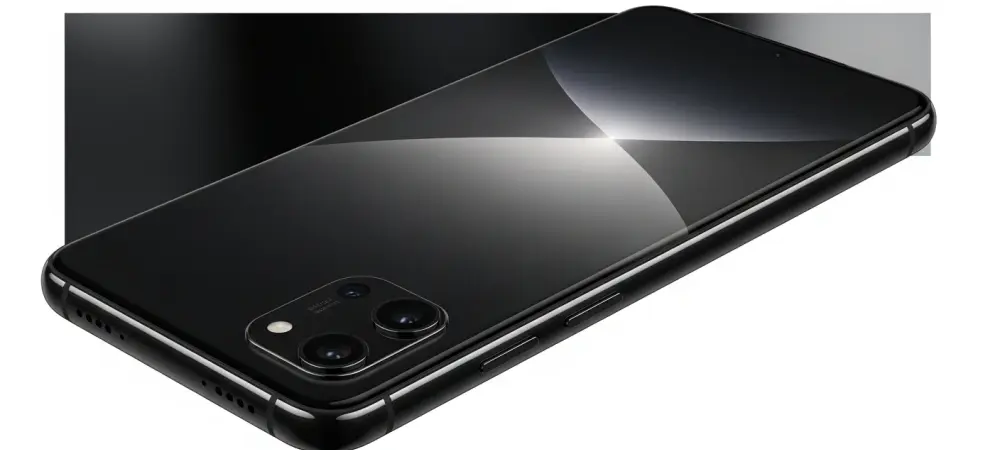
The visual palette this year feels much more sophisticated and grounded than in years past, with shades like Midnight Haze and Pine dominating the premium Pro and Fold tiers. I’m particularly intrigued by the “Fuchsia” and “Moss” options for the standard Pixel 11, as they provide a vibrant, sensory pop of color that contrasts with the more industrial “Light Fog” of the Pro models. There’s also a tactical exclusivity at play here, where the 1TB storage variants are reportedly only available in the Midnight Haze shade. This creates a specific, elite aesthetic for the most powerful devices, making them immediately recognizable to those in the know.
What is your forecast for the Pixel 11 series’ impact on the smartphone market?
I believe we are witnessing Google’s final transition from an experimental hardware player into a dominant luxury brand that is unafraid to charge for its innovations. By aligning their launch with an August 12 date and pushing prices into the EUR 2,000 range for the Fold, they are betting that their ecosystem is now strong enough to sustain high-margin growth. The removal of the 128GB tier is the final nail in the coffin for the “affordable flagship” era that defined the early days of the Pixel. My forecast is that this series will successfully capture the “prosumer” market, even if the higher entry costs and the leap to EUR 1,129 for a 512GB standard model alienate some long-time fans who miss the more accessible pricing of the past.