

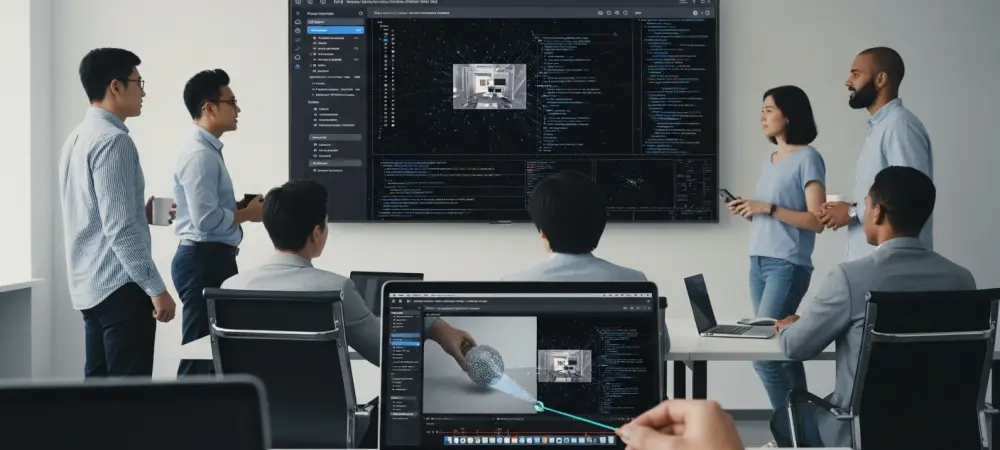
Mobile photography has undergone a massive transformation where the boundary between capturing reality and generating art has become increasingly blurred through advanced computational algorithms. While Google Photos initially gained prominence as a robust cloud storage solution, its evolution into a sophisticated editing powerhouse has fundamentally altered how users interact with their digital memories. Recent discoveries within the application’s code suggest that the developers are preparing to deploy generative artificial intelligence directly into the video editing suite, mirroring the success of the Magic Editor previously reserved for still images. This shift represents a significant leap from traditional filters toward a paradigm where the software can reconstruct entire scenes or intelligently modify backgrounds in moving pictures. By leveraging the latest iterations of the Gemini model, the platform aims to democratize professional-grade post-production techniques for the average smartphone user worldwide.
Advancing Beyond Static Image Manipulation
The transition from static image correction to dynamic video synthesis involves a monumental increase in computational complexity that requires a sophisticated understanding of temporal consistency. Unlike a single photograph, where the AI only needs to manage pixels in a fixed frame, video requires the generative engine to track objects and lighting across dozens of frames per second to avoid jarring visual artifacts. Industry observers have noted that the potential inclusion of generative fill for video would allow users to remove distracting elements from a clip while the software realistically reconstructs what should have been behind the moving object. This capability utilizes deep learning architectures that have matured significantly, enabling real-time rendering that was once the exclusive domain of high-end desktop workstations. By integrating these tools, the platform moves closer to a reality where a shaky video can be transformed into a cinematic sequence through automated spatial awareness and pixel-level generation.
Beyond simple object removal, the rumored features suggest a more ambitious implementation of contextual scene modification that could redefine personal videography. Users might soon have the ability to alter the lighting conditions of a recorded event, such as changing a cloudy afternoon into a golden hour sunset, without compromising the integrity of the original subject. This level of control is facilitated by semantic segmentation, where the AI identifies specific components like the sky, foreground, and skin tones to apply targeted generative changes. Such developments indicate a broader strategy to position the application as an essential creative tool rather than a passive archive. Furthermore, the integration of generative audio tools is expected to complement these visual upgrades, allowing for the isolation or replacement of specific soundscapes. This holistic approach to media manipulation reflects a growing trend where the distinction between captured footage and synthesized content is managed by sophisticated multi-modal AI systems.
Strategic Considerations and Future Implementation
As generative AI becomes more deeply embedded in everyday media tools, the industry must grapple with the ethical implications of highly realistic synthetic content. The ability to seamlessly modify videos raises concerns about the authenticity of digital records, particularly in an era where misinformation can spread rapidly across social networks. To address these challenges, developers are increasingly adopting standardized metadata tags and digital watermarking techniques to distinguish between raw footage and AI-enhanced clips. These safeguards are essential for maintaining trust within the digital ecosystem, ensuring that viewers are aware when a scene has been fundamentally altered by generative algorithms. Moreover, the integration of these tools into a mainstream consumer application sets a precedent for how privacy and transparency should be handled at scale. By embedding these protections directly into the workflow, the platform helps establish a framework for responsible AI usage that prioritizes user agency and discourages malicious media manipulation. The introduction of generative video editing marked a pivotal moment in the convergence of artificial intelligence and personal media management. Developers recognized that the demand for sophisticated creative tools required a shift away from manual processes toward intuitive, AI-driven solutions that could handle the complexities of motion and light. By deploying these features, the platform successfully bridged the gap between professional film editing and casual smartphone usage, providing users with the means to express their vision without technical constraints. Moving forward, the focus shifted toward refining the precision of these models and expanding the creative possibilities of multi-modal generation. Users were encouraged to verify AI-assisted edits through the integrated Transparency Dashboard, which provided granular control over metadata signatures and digital watermarking. This strategic implementation ensured that the technology served to amplify human expression rather than replace it entirely.