

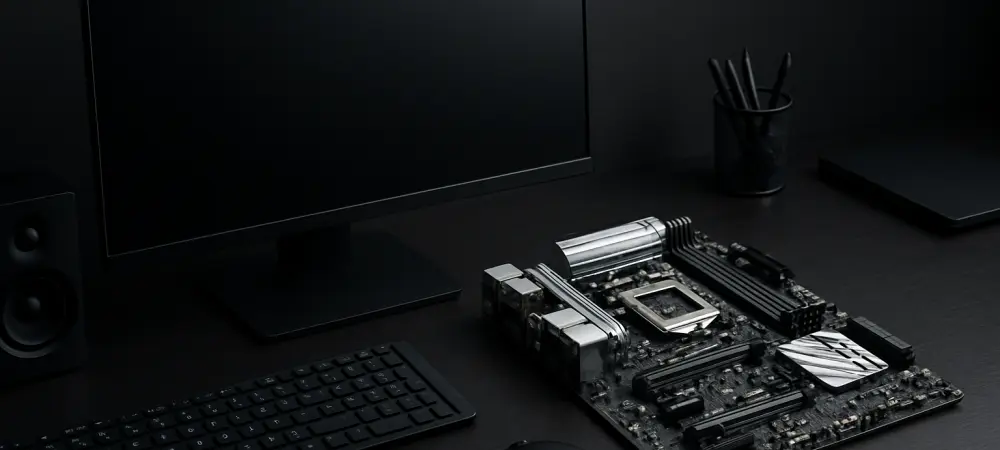
Industry observers have noted that Gigabyte’s massive Z990 lineup is designed to capture everything from the professional workstation market to the most demanding competitive gaming segments. The early registration of nearly two dozen distinct motherboard models signals a proactive stance in the transition toward the Intel Nova Lake architecture, which is set to redefine high-performance desktop computing. This rollout is not merely a replacement of existing hardware but a comprehensive strategic move to dominate the high-end chipset market by offering a specific solution for every type of user. From the budget-conscious consumer looking for the reliability of the DS3H series to the elite enthusiast aiming for the flagship AORUS XTREME, the sheer volume of products indicates a massive investment in the LGA1954 ecosystem. This strategy effectively forced competitors to reconsider their own launch timelines, as the market prepared for a seismic shift in connectivity and processing power that prioritized both raw performance and aesthetic versatility across the consumer spectrum.
Scaling the Platform for Next-Generation Architecture
Technical Foundation: Transitioning to the LGA1954 Socket
Transitioning to the Intel Nova Lake architecture represents more than just a seasonal update; it marked a fundamental change in how desktop computing resources are allocated and managed. Gigabyte positioned itself at the forefront of this transition by filing an extensive array of Z990 motherboards with regulatory bodies, signaling the introduction of the LGA1954 socket. This physical and electrical redesign was necessary to accommodate the increased pin count and power delivery demands of the Nova Lake chips. Unlike previous iterations that often prioritized incremental gains, the Z990 chipset served as a gateway to enhanced bandwidth and tighter integration between the CPU and high-speed peripherals. By committing to such a wide variety of boards so early, the manufacturer ensured that the enthusiast community had immediate access to the high-performance features required for advanced AI processing and high-fidelity content creation workflows from 2026 to 2028. This technical foundation allowed users to push the limits of their silicon without risking any thermal instability.
Portfolio Diversity: Catering to Every Market Segment
Analyzing the leaked model list revealed a strategic breadth that covered every conceivable budget tier and use case, reinforcing the idea that a Z990 board should be available for every chassis. The lineup started with the foundational Z990M DS3H and EAGLE series, which provided the essential features of the 900-series chipset without the high-cost frills of the flagship models. These boards were particularly vital for system integrators and budget-conscious gamers who wanted to move to the Nova Lake platform while maintaining a reasonable total cost of ownership. Despite their lower price points, these entry-level options still benefited from the core improvements of the LGA1954 socket, such as improved power delivery and native support for the fastest wireless networking standards available. This accessibility was a key component of the manufacturer’s strategy to quickly phase out older platforms and encourage a rapid migration to the latest Intel technology, ensuring the benefits of Nova Lake reached more users.
Design Specialization and Connectivity Standards
Aesthetic Evolution: Natural Textures and Stealth Builds
One of the most intriguing developments in the Z990 lineup was the introduction of the “WOOD” and “DARK WOOD” families under the AERO branding. This move indicated a significant departure from the aggressive, RGB-heavy designs that had dominated the gaming hardware industry for years. By incorporating natural textures and a more sophisticated, minimalist aesthetic, Gigabyte targeted the growing segment of professional creators and home office users who prioritized a clean, professional workspace. These boards were designed to pair seamlessly with the company’s recent series of graphics cards that featured similar wood-grain accents, creating a cohesive visual ecosystem that felt more like furniture or high-end decor than traditional PC components. This shift suggested that the industry was moving toward a more mature design language, where high-performance hardware did not necessarily have to look like a toy. It reflected a broader trend of personalization where the professional-grade aesthetic became as desirable as flashy gaming rigs.
Strategic Implementation: Future-Proofing With WiFi 7
The comprehensive preparation for the Intel Nova Lake launch demonstrated that Gigabyte prioritized market readiness and universal connectivity standards like WiFi 7 above all else. By registering a diverse range of Z990 boards, the manufacturer addressed the technical requirements of the new architecture while exploring updated aesthetic territories with the STEALTH series. This strategy proved successful in capturing both the traditional enthusiast market and the emerging segment of professional creators who demanded more than just raw speed. For those who planned to upgrade during the 2026 to 2028 timeframe, the advice remained clear: prioritize boards that offer future-proof connectivity standards and PCIe 6.0 compatibility. The move toward hidden connectors and natural finishes suggested that system builders should have considered the physical constraints of their cases when selecting a Z990 model. Ultimately, the industry learned that a successful platform launch required a balance between extreme performance and practical design.