

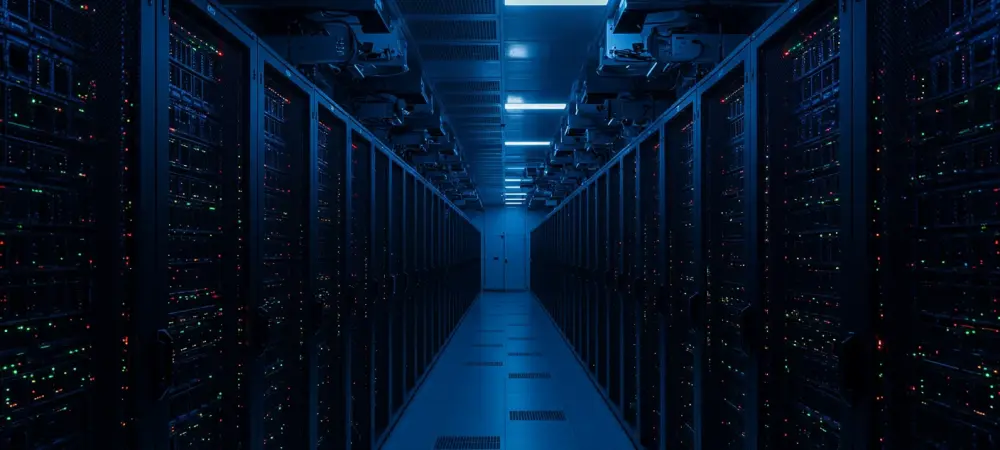
In the rapidly evolving landscape of digital infrastructure, Dataprana’s groundbreaking implementation of immersion cooling in their data centers is setting new benchmarks. The burgeoning demand for energy-efficient solutions has accentuated the need for revolutionary technologies, prompting Dataprana to pioneer this transformative approach. With their 30 MW immersion-cooled mining site in La Marque, Texas, the company is poised to redefine the standards of digital asset mining while addressing pressing sustainability challenges.
Contextual Overview of Data Center Cooling Evolution
Data centers have long relied on traditional air cooling methods, which are proving increasingly inadequate due to the escalating energy demands and overheating issues associated with modern technology. Over the past few years, the industry has steadily shifted toward liquid cooling techniques as a viable solution not only to improve efficiency but also to meet environmental sustainability goals. This evolution highlights the significance of Dataprana’s endeavors in implementing immersion cooling at scale, as it offers a window into the future of data center operations.
Immersion Cooling: Breaking Down the Benefits
Advancements in Efficiency and Eco-Friendly Technologies
Immersion cooling is gaining traction as an essential component of modern thermal management solutions, offering significant energy efficiency improvements over traditional methods. At Dataprana’s La Marque facility, cutting-edge immersion cooling technology integrates devices in water-cooled containers, optimizing electronic performance while curbing energy consumption. These innovations underscore potential cost savings and environmental benefits, though challenges related to initial costs and widespread adoption persist.
From Modular Designs to Immersion Implementation: Optimization Strategies
Beyond immersion cooling, Dataprana’s collaborative efforts with Intelliflex and Arctic Systems highlight an ongoing trend towards modular data center solutions, aiming for adaptability and space efficiency. These strategies, while promising, pose integration challenges and require substantial initial investments. However, their potential to enhance data center flexibility and scale represents a promising avenue for future optimization efforts.
Navigating Regional Variables and Innovative Disruptions
Adopting immersion cooling involves addressing various regional market conditions and regulatory frameworks. Misconceptions regarding its complexity and cost need mitigation for broader acceptance and scalability. Dataprana’s successful immersion cooling ventures illustrate a potential blueprint for overcoming these barriers, prompting widespread industry adoption and innovation.
Future Directions for Immersion Cooling and Beyond
As advancements continue, the data center landscape is set to experience profound changes. Innovations in liquid cooling and heightened regulatory focus on energy efficiency will shape this progression. As immersion cooling solidifies its foothold, the technology promises expanded implementation, bolstered by successful endeavors like Dataprana’s. These developments point toward an increasingly efficient and sustainable future for data centers.
Strategic Insights for Industry Players
Emerging implications suggest several strategies for stakeholders. Businesses could integrate advanced cooling technologies to increase system efficiency and lower energy consumption. Professionals should maintain awareness of ongoing trends and leverage modular methods for strategic advantage. Smaller firms might consider collaborative approaches to access these innovative solutions without the financial burden of significant upfront investments.
Reflecting on Strategic Pathways for Future Success
Dataprana’s achievements in immersion cooling have illustrated the potential for significant advancements in data center efficiency and ecological impact. In a time when digital infrastructure must keep pace with growing demands, the importance of adopting innovative and sustainable practices is paramount. By adapting to and embracing these cutting-edge solutions, industry stakeholders can steer progress toward a more energy-conscious and interconnected future.