

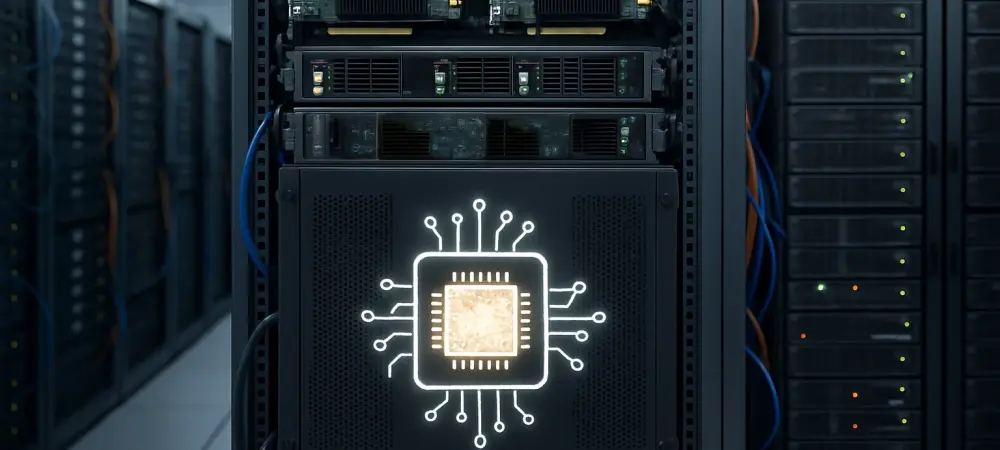
Vertiv’s recent acquisition of Great Lakes Data Racks & Cabinets for $200 million underscores a strategic pivot to expanding its capabilities within the AI infrastructure domain. As technological landscapes increasingly prioritize high-density AI solutions, Vertiv’s decision unveils a commitment to meeting rising global demands. This market analysis delves into Vertiv’s tactical move, detailing its potential influence on AI infrastructures and examining the industry dynamics that are likely to unfold as a result.
Shaping the Path of Technological Advancement
The deal highlights an incessant push towards expanding Vertiv’s technological footprint. Historically, Vertiv has pursued growth through strategic acquisitions, notably integrating E+I Engineering and CoolTera for advancements in cooling and power applications. This legacy dates back to the acquisition and rebranding of Emerson’s network power unit in 2016, which set the stage for Vertiv’s current leadership role in AI infrastructure development. By assimilating Great Lakes, Vertiv bolsters its portfolio with innovative rack solutions, reaffirming its status as a premier provider in critical infrastructure markets.
Decoding the Impacts on AI Solutions
Expanding Capabilities with Great Lakes’ Expertise
Through its strategic adoption of Great Lakes’ sophisticated product line, Vertiv enhances its solution offerings across various sectors, such as enterprise, edge computing, and sectors demanding intensive AI applications. The integration of customizable racks, seismic-resistant cabinets, and superior cable management options aligns with Vertiv’s goal to support evolving AI demands. This synergy highlights Vertiv’s capability to deliver powerful, tailored solutions to both current and potential future challenges posed by emerging technologies.
Comparative Analysis of Infrastructure Demands
Investigating AI infrastructure demands reveals Vertiv’s decision to adopt Great Lakes’ technologies as instrumental to navigating an ever-evolving landscape of requirements. As AI technologies continue to progress, infrastructures necessitate high performance, adaptability, and reliability. Vertiv’s expanded offerings now provide a range of configurations to meet these diverse needs, demonstrating its robustness against technological shifts and positioning itself as a key player for upcoming advancements in AI.
Navigating Regional and Market Complexities
Vertiv’s acquisition also amplifies its potential to manage distinct regional infrastructure challenges, from varying regulatory standards to environmental influences. By offering versatile solutions that meet specific regional needs, Vertiv showcases its flexibility to adapt to the nuanced demands of diverse marketplaces. These capabilities are critical to asserting its relevance and maintaining a competitive edge amid extensively diverse infrastructure demands worldwide.
Anticipating Future Trends in AI Infrastructure
Looking ahead, several trends are expected to shape the AI infrastructure market. These include innovations in cooling strategies, expanded edge computing applications, and evolving data privacy standards. Vertiv’s strategic acquisition positions it to address these emerging trends, with industry predictions underscoring the importance of such adaptability. Vertiv is set to thrive in this changing landscape by aligning its offerings with these anticipated developments.
Strategic Insights for Industry Stakeholders
For those in the industry, leveraging insights from Vertiv’s acquisition strategy can yield competitive advantages. By observing Vertiv’s integration of Great Lakes’ capabilities, businesses can glean best practices for boosting operational efficiency and making informed investments in technology. These insights are vital for optimizing current infrastructure and aligning future endeavors with industry shifts.
Reflecting on Strategic Outcomes and Future Directions
Navigating Vertiv’s acquisition strategy offers valuable insights into the ongoing evolution of AI infrastructure. As a trailblazer in adapting its infrastructure solutions to emerging global requirements, the lessons gleaned from Vertiv’s strategic maneuvers provide stakeholders with a framework for future planning and innovation. Embracing these insights helps industry players position themselves at the forefront of AI infrastructure advancements, ensuring their continued competitiveness in an increasingly dynamic environment.