

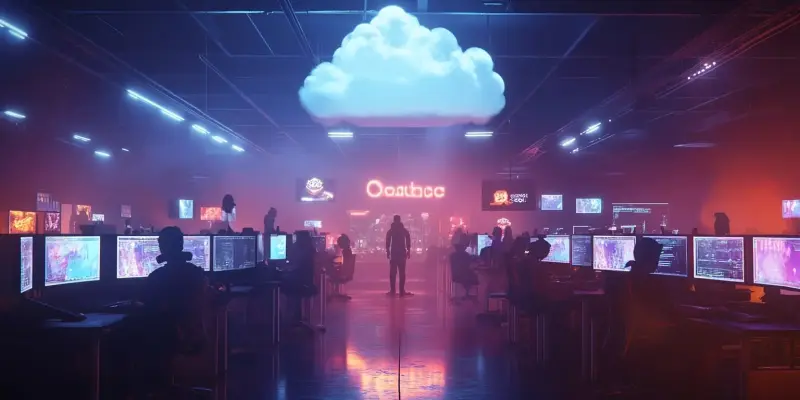
Envision a world where the finest gaming experiences are not determined by the power of your console or computer but by seamless internet connections and efficient software. This transition is no longer a mere fantasy; cloud gaming is set to revolutionize the industry, offering gamers unparalleled accessibility, scalability, and potential cost savings. The era of massive gaming rigs and premium hardware might soon take a backseat to a more streamlined and sustainable gaming approach. As we delve into the intricacies of this evolution, we will explore the drivers and implications of this emerging trend.
The Democratization of Gaming
Increased Accessibility
Cloud gaming represents a monumental shift in making high-quality gaming accessible to a broader audience. Instead of requiring expensive, high-end hardware to run newer games, players can now stream these games from powerful remote servers directly to their devices. This revolutionary change means that even those with lower-end devices can enjoy the latest AAA titles without the need to continuously upgrade their hardware. Platforms like NVIDIA’s GeForce NOW and Microsoft’s xCloud exemplify this trend by allowing users to play sophisticated games on devices as modest as smartphones or older computers.
This democratization is particularly impactful for regions where acquiring the latest hardware is prohibitively expensive due to economic constraints. By lowering the barrier to entry, cloud gaming opens up new opportunities for individuals who previously might not have had access to high-performance gaming. It is expected that the user base for cloud gaming will grow exponentially as more people realize that they can enjoy top-tier games without significant financial investment. Coupled with the increasing penetration of smart devices, this shift is poised to reshape the global gaming landscape dramatically.
Scalability of Cloud Gaming Platforms
One of the most compelling advantages of cloud gaming lies in its inherent scalability. Unlike traditional gaming systems that require regular hardware upgrades to keep up with evolving game requirements, cloud gaming platforms can be easily scaled up by upgrading server capabilities. This provides a seamless gaming experience that can adapt to the latest technological advancements without burdening the user with additional costs. Such scalability ensures that players always have access to the most powerful gaming solutions available, enhancing their overall experience.
Furthermore, cloud gaming platforms are not limited by physical constraints. They can deliver content across a diverse array of devices, from smartphones and tablets to TVs and PCs. This flexibility allows for a more unified and cohesive gaming experience, enabling players to switch between different devices without losing progress or performance quality. As internet technology continues to advance, especially with the rise of 5G networks, the scalability and performance of cloud gaming are only expected to improve, bringing it closer to mainstream adoption.
The Environmental Benefits of Cloud Gaming
Reduction in Physical Hardware Production
A significant advantage of moving towards cloud gaming is its positive impact on the environment. Traditional gaming relies heavily on the production of physical hardware, which involves substantial use of resources and energy. Manufacturing these devices contributes to electronic waste and carbon emissions, which are ongoing concerns in the tech industry. By transitioning to cloud gaming, there is a potential to significantly reduce the need for mass production of gaming consoles and high-performance PCs, leading to less electronic waste and lower overall environmental impact.
Cloud gaming aligns with broader sustainability goals by consolidating computing power into centralized data centers. These data centers can be optimized for energy efficiency far more effectively than individual consumer hardware. As more companies invest in greener data center technologies, the environmental footprint of gaming can be further minimized. This shift not only benefits the planet but also aligns with the evolving consumer preference for more sustainable practices in the products and services they choose.
Challenges and Considerations
Despite the numerous advantages, cloud gaming is not without its challenges. High-speed internet is a prerequisite for a seamless cloud gaming experience, and not all regions have the necessary infrastructure to support it. This digital divide means that while some gamers may enjoy the benefits of cloud gaming, others may still be constrained by slow or unreliable internet connections. Additionally, there are data privacy and security concerns associated with storing and processing game data on remote servers.
To address these challenges, ongoing advancements in internet technology are crucial. The widespread rollout of 5G networks promises to enhance bandwidth and reduce latency, making high-quality cloud gaming more accessible to a broader audience. Moreover, cloud gaming providers must prioritize data security and work towards robust solutions to protect user information. As these issues are tackled, the industry can better capitalize on the advantages of cloud gaming, creating a more inclusive and secure gaming environment for all players.
Market Insights and Future Prospects
Growing Investments and Innovation
The increasing investments in cloud technology by major tech giants like Google and Amazon highlight the immense potential of cloud gaming. These investments are fostering rapid innovation, leading to continuous improvements in service quality and user experience. Google’s Stadia and Amazon’s Luna are prime examples of cloud gaming platforms that showcase the capabilities of this new era. Their entry into the market signifies a strong vote of confidence in cloud gaming’s future and underscores the competitive landscape that will drive further advancements.
As these companies compete to offer the best cloud gaming services, consumers stand to benefit from the resulting technological innovations and enhanced performance. This competitive dynamic will likely lead to more affordable subscription models, better game libraries, and improved accessibility features. The thriving market encourages smaller developers to create games optimized for cloud platforms, further expanding the diversity and richness of the gaming catalog available to users. This cycle of innovation and improvement is set to propel cloud gaming into a central role within the entertainment industry.
Broader Implications for Entertainment Sectors
Imagine a world where the best gaming experiences aren’t decided by how powerful your console or computer is, but by smooth internet connections and effective software. This shift is no longer just a dream; cloud gaming is poised to transform the industry, offering gamers unmatched accessibility, scalability, and potential cost savings. The days of large gaming rigs and expensive hardware could soon be overshadowed by a more efficient and eco-friendly gaming method. As we explore the details of this change, we’ll delve into the factors driving it and the impacts it may have on the gaming world.
Cloud gaming allows players to stream games directly from remote servers, eliminating the need for high-end hardware. This means more players can access top-notch games without spending a fortune on gaming systems. Moreover, developers can reach a broader audience, leading to more diverse and innovative games. However, this transition also comes with challenges, such as ensuring stable internet connections and addressing data privacy concerns. As cloud gaming continues to evolve, it holds the promise of reshaping how we play and experience games.