

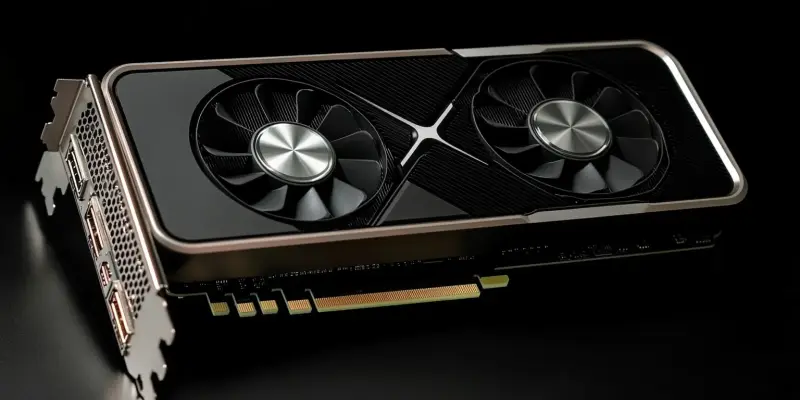
In an unexpected move that has left tech enthusiasts scratching their heads, a Taiwanese retailer named Momoshop is offering a unique and rather baffling retail bundle: customers must purchase 40 Gigabyte H610M-K DDR4 motherboards to obtain a single NVIDIA GeForce RTX 5090 GPU. This deal, priced at approximately $5,833, includes one highly sought-after RTX 5090 Gaming OC card and forty entry-level motherboards. This bundle’s steep price far exceeds the typical MSRP of the GPU itself, raising questions about its practicality and appeal to consumers. Historically, retailers have paired GPUs with additional components to mitigate shortages and curb scalping, but this instance is markedly extreme and unprecedented.
The Appeal of RTX 5090
The NVIDIA GeForce RTX 5090 GPU is currently in limited supply and in high demand among gamers and tech enthusiasts. Renowned for its supreme gaming performance and cutting-edge technology, the RTX 5090 has become a must-have item for those looking to push the boundaries of their gaming experience. Typically, this GPU is priced anywhere from $1,999 to over $2,599, with some versions even reaching close to $3,000 due to market scarcity. This significant discrepancy between supply and demand often leads to inflated prices and creative bundling strategies by retailers.
However, the strategy employed by Momoshop, requiring the purchase of 40 outdated motherboards to acquire a single RTX 5090 GPU, stands out as particularly excessive and impractical. While there have been bundle sales in the past to mitigate GPU shortages, pairing high-demand items with unrelated or low-demand components, this approach takes the concept to an entirely new level. Customers are effectively faced with acquiring numerous pieces of hardware they are unlikely to need or sell, rendering the bundle unappealing to many potential buyers. For those who cannot afford to wait for the wider availability of the RTX 5090, alternatives such as the RX 7900 XT or previous high-end RTX models may be more practical choices.
Possible Retailer Motivations
One major speculation surrounding this unusual bundle strategy is that it is an attempt by the retailer to clear out unsold inventory of H610M motherboards. These entry-level boards, designed for basic computing tasks and not typically favored by gaming enthusiasts, have likely been sitting in stock with dwindling demand. By coupling them with the highly coveted RTX 5090, retailers may hope to move otherwise difficult-to-sell products. Yet, this method seems unrealistic and unappealing to most consumers, who would much prefer to purchase the GPU without being burdened by excess, outdated hardware.
Community consensus and broader reactions to this retail strategy predominantly express skepticism and concern. Many believe that bundles offering practical components would be more acceptable than those requiring the purchase of numerous motherboards that provide little to no value for gamers or tech enthusiasts. Although creativity in sales strategy is often appreciated, this particular offer has largely been received as an irrational and largely undesirable approach in the eyes of potential customers.
Wider Implications for the Market
In a surprising and peculiar development, tech enthusiasts are perplexed by a Taiwanese retailer named Momoshop offering an unusual retail bundle: to obtain a single NVIDIA GeForce RTX 5090 GPU, buyers must also purchase 40 Gigabyte H610M-K DDR4 motherboards. This unconventional deal is priced at around $5,833 and includes one highly sought-after RTX 5090 Gaming OC card along with forty entry-level motherboards. The bundle’s hefty cost significantly surpasses the standard MSRP of the GPU alone, prompting questions about its practicality and appeal for consumers. Historically, retailers have paired GPUs with additional components during times of shortages to deter scalpers and ensure fair distribution. However, this specific instance is extraordinarily extreme and unlike any previous strategies. Bundling one advanced GPU with forty basic motherboards seems impractical for most buyers. This offer raises eyebrows and provokes curiosity regarding the retailer’s motives and marketing strategy behind this highly unorthodox bundle.