

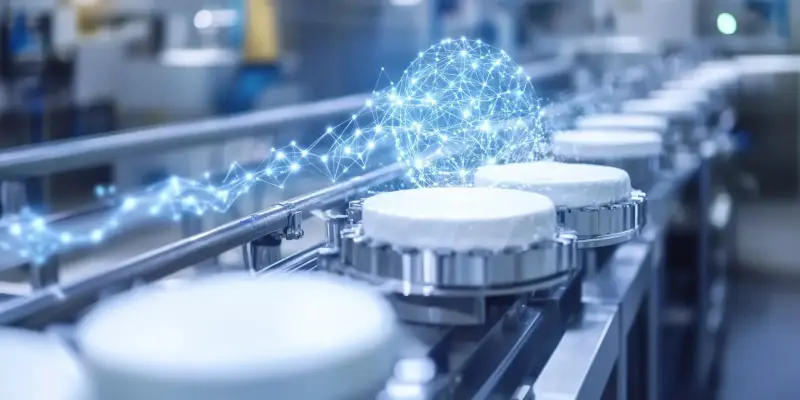
Experts from IE University, the BSV Association (BSVA), and Gate2Chain showcased blockchain’s vast potential for transforming various industries. Among the highlighted discussions was Plexus Tech’s significant announcement concerning the SmarTZ4Milk project, aimed at innovating Europe’s dairy sector through the powerful capabilities of BSV blockchain technology. This project promises to address several key issues in the dairy industry, including environmental impact, food waste, and operational inefficiencies.
Revolutionizing Dairy Production
Minimizing Environmental Impact
One of the critical aspects of the SmarTZ4Milk project lies in its ambition to minimize the environmental impact of dairy farming. By leveraging advanced technologies like automation, sensors, and digitization, the project seeks to create a more sustainable dairy sector. The integration of these technologies is designed to optimize resource usage, reduce emissions, and manage waste more effectively. For instance, automation can streamline various processes, ensuring that resources such as water and feed are used more efficiently, while sensors can monitor environmental conditions and cattle health in real time.
Furthermore, digitization facilitates better data management and operational oversight, allowing farmers to make informed decisions that minimize their environmental footprint. These technological advancements not only contribute to a more sustainable dairy industry but also align with the growing consumer demand for environmentally friendly products. Blockchain technology, with its transparent and secure data management capabilities, plays a pivotal role in achieving these objectives by ensuring that data collected from various sources is accurate, reliable, and accessible.
Reducing Food Waste and Enhancing Efficiencies
Another major objective of the SmarTZ4Milk project is to tackle the pervasive issue of food waste within the dairy supply chain. By implementing blockchain-powered traceability, the project aims to enhance transparency and accountability throughout the entire value chain. This traceability ensures that each step of the production process is meticulously recorded and monitored, helping to identify inefficiencies and areas of waste. For example, precise tracking can reveal bottlenecks or delays in the supply chain, enabling swift corrective actions to be taken.
Moreover, the integration of sensors and automation boosts operational efficiency by streamlining production processes and reducing human error. Automated systems can handle repetitive tasks faster and more accurately than manual labor, leading to increased productivity and less waste. As a result, dairy producers can optimize their operations, cut down on losses, and deliver fresher products to consumers. Ultimately, these improvements contribute to a more sustainable and resilient dairy sector, capable of meeting the demands of an ever-growing population.
Plexus Tech and Gate2Chain Collaboration
Transition to BSV Blockchain
A key development in the SmarTZ4Milk project is Plexus Tech’s strategic partnership with Gate2Chain to implement blockchain technology, transitioning the project from Hyperledger to BSV. This collaboration is aimed at enhancing data integrity and ensuring robust management of data related to approximately 90% of Europe’s cattle population. With a substantial budget of €17 million, the project underscores the significant investment in blockchain technology’s potential to revolutionize the dairy industry.
BSV blockchain is particularly well-suited for this project due to its high scalability, low transaction costs, and strong focus on data integrity. By leveraging the benefits of BSV blockchain, Plexus Tech and Gate2Chain can ensure that all data generated within the dairy supply chain is accurately recorded, securely stored, and easily accessible. This transition not only enhances the transparency and traceability of the supply chain but also provides a reliable foundation for further innovations and improvements within the industry.
Implementation and Outlook
Starting in Galicia, Spain, and eventually extending across Europe, the SmarTZ4Milk project is poised to become one of the continent’s largest enterprise blockchain endeavors. Gate2Chain has already commenced the development of the minimum viable product (MVP), securing initial funding for the project. The full-scale production phase is expected to begin in June 2024, marking a significant milestone in the journey towards transforming Europe’s dairy sector through blockchain technology.
As the project rolls out, it will offer valuable insights into the practical application of blockchain in agriculture and dairy farming. The collaboration between Plexus Tech and Gate2Chain represents a promising step forward in harnessing technological advancements to address pressing challenges within the dairy industry. By ensuring transparent, secure, and efficient data management, the project can lead to better resource utilization, reduced environmental impact, and enhanced production efficiency. The successful implementation of this project could serve as a model for other agricultural sectors, driving wider adoption of blockchain technology across Europe.
The Growing Demand for Digital Solutions
Blockchain’s Role in Agriculture
The SmarTZ4Milk project reflects an overarching trend in the growing demand for transparent and secure digital solutions in critical industries such as agriculture. With concerns about food safety, environmental sustainability, and supply chain efficiency becoming more prominent, the role of technology in addressing these issues has become increasingly important. Blockchain, with its ability to provide tamper-proof records and facilitate seamless data sharing across multiple stakeholders, is emerging as a crucial tool in this context.
In the case of dairy farming, blockchain can help ensure that all activities, from cattle rearing to milk processing and distribution, are tracked and documented in a transparent manner. This level of traceability not only helps maintain product quality and safety but also fosters trust among consumers. Furthermore, the secure nature of blockchain technology helps protect sensitive data from unauthorized access or tampering, thereby safeguarding the interests of all parties involved in the supply chain.
Future Prospects and Implications
Experts from IE University, the BSV Association (BSVA), and Gate2Chain discussed the transformative potential of blockchain technology across diverse industries. A standout moment was the announcement by Plexus Tech regarding the SmarTZ4Milk project, which seeks to revolutionize the dairy industry in Europe using the robust capabilities of BSV blockchain technology. The project’s primary objective is to tackle significant challenges in the dairy sector, such as reducing environmental impact, minimizing food waste, and improving operational efficiencies. By leveraging blockchain, SmarTZ4Milk aims to create a more sustainable and efficient dairy supply chain. It was emphasized blockchain’s potential in various sectors, underscoring its ability to solve critical issues and drive innovation. Experts highlighted its applications beyond dairy, extending to fields like logistics, finance, and healthcare. This convergence of minds showcased the promise of blockchain to bring about substantial positive changes in multiple industries, marking a new chapter in technological advancement.