

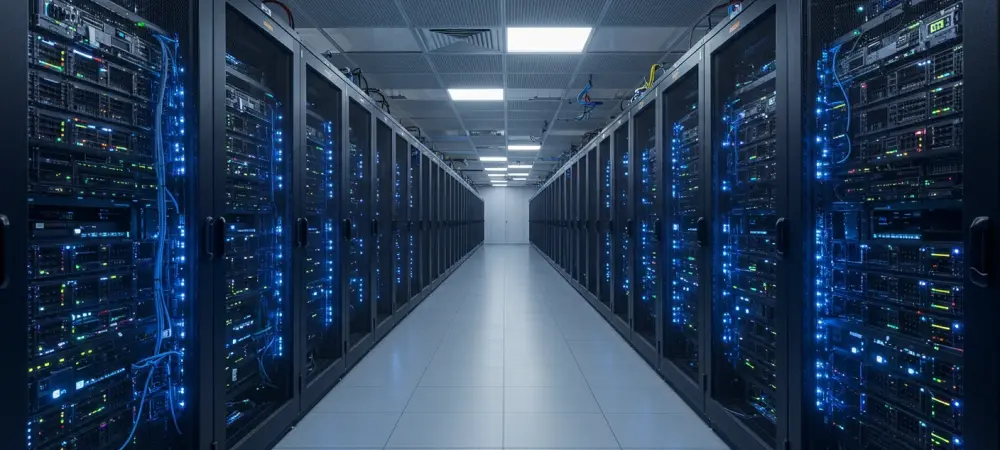
In a world driven by technology, data centers have emerged as essential pillars supporting our digital ecosystem. However, their hunger for energy is insatiable. Did you know that data centers account for around 1% of global energy use, a figure expected to increase with the proliferation of cloud computing and big data? With this escalating demand, the tech industry faces a critical challenge: marrying increased capacity with sustainable practices.
Navigating the Energy Dilemma
The push toward energy sustainability in data centers is not merely a trend; it has become an industry imperative. These facilities serve as the backbone of global digital communication, yet their hefty power requirements often translate to significant environmental footprints. As stakeholders advocate for greener choices, behind-the-meter energy solutions emerge as a promising avenue, offering ways to reduce reliance on conventional power grids while ensuring operational reliability.
Behind-the-Meter Solutions: A Closer Look
Introducing behind-the-meter energy systems involves localized power generation tailored specifically to a facility’s needs. By harnessing renewable resources like solar or geothermal energy, these systems reduce external electricity dependency. Mark Rudin, an energy expert, notes, “Behind-the-meter solutions empower data centers to generate their own power, aligning with both eco-friendly goals and energy independence.”
While sustainability is a primary advantage, economic factors also contribute to the appeal. The initial investment required for setting up such systems is significant but can eventually lead to savings through reduced energy expenses. Yet, challenges like the necessity for substantial space for solar farms or the unpredictability of some renewable sources remain formidable.
Insights from Industry Leaders
The conversation around behind-the-meter energy solutions is evolving, with industry voices lending varied perspectives. Amelia Clark, CEO of a leading data technology firm, emphasizes, “We’ve seen firsthand how dedicated power sources can bolster our resilience against grid disruptions, enhancing our uptime.” In another instance, a successful case study from a large financial institution demonstrated how their transition to onsite solar power reduced energy costs by 30%.
Despite these successes, not every attempt meets with triumph. Some initiatives stumble over financial feasibility and spatial limitations, highlighting that each data center’s journey is unique and requires tailored strategies.
Strategic Implementation: Path Forward
Adopting behind-the-meter systems mandates thorough strategic planning. Factors such as geographical conditions, available space, and budget requirements must be meticulously assessed. Implementing a hybrid model, where grid energy supplements renewable sourcing, often provides a balanced solution, merging the best of both worlds. Overcoming challenges, like potential high upfront expenses, could involve exploring corporate partnerships or government incentives designed to alleviate initial costs. A pragmatic approach to spatial constraints might include innovative architectural designs or the integration of vertical solar installations.
Envisioning a Self-Reliant Future
In conclusion, as data centers navigate the labyrinth of energy sustainability, behind-the-meter solutions present a compelling, albeit challenging, proposition. Moving forward, these strategies require comprehensive evaluations, balancing financial realities with environmental aspirations. For those willing to embark on this path, the promise of energy autonomy not only paves the way for operational efficiency but also aligns with the broader narrative of sustainable technological evolution. The exploration of behind-the-meter solutions has been more than an effort to light the way—it has aimed to illuminate a sustainable future, encouraging progress beyond simply keeping the lights on.