

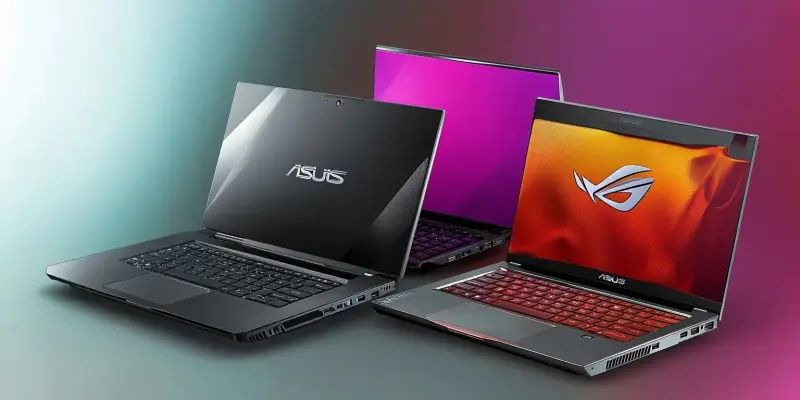
In an exciting development, ASUS is gearing up to release a new lineup of laptops featuring the latest in both AMD and Intel processors, as discovered on a retail website. This next generation of laptop models promises significant advancements in integrated graphics capabilities, making them highly suitable for GPU-intensive tasks without the need for discrete GPU solutions. With four new models in the lineup, ASUS aims to cater to a wide range of computing needs, from productivity to moderate gaming, setting a new standard in portable computing power.
AMD-Powered Models in the Upcoming Lineup
ASUS M1607KA and High-Performance Features
One of the standout models in the new lineup is the ASUS M1607KA, a 16-inch Vivobook equipped with an AMD Krackan Point APU based on Zen 5 architecture. This processor configuration includes a mix of standard and compact cores, specifically 4x Zen 5 cores combined with 4x Zen 5c cores, which collectively deliver impressive processing power tailored for various computing tasks. The laptop also features RDNA 3.5-based graphics, ensuring robust performance for demanding graphical applications, even in the absence of a discrete GPU.
The ASUS M1607KA is further enhanced by its 16 GB of DDR5 RAM, providing ample memory bandwidth for multitasking and data-intensive applications. The 1TB storage ensures you have sufficient space for all your files, applications, and media. Connectivity options include Wi-Fi 6802.11ax and Bluetooth 5.3, facilitating high-speed wireless communications and device connectivity. With a 42Wh battery, this Vivobook aims to strike a balance between performance and portability, offering users a reliable companion for both work and leisure on the go.
Versatility and Performance Without Discrete GPUs
The integration of RDNA 3.5-based graphics in the ASUS M1607KA sets it apart from many other laptops in its category. By eliminating the need for a discrete GPU, ASUS not only reduces the overall weight and cost of the device but also improves its battery efficiency. Users can expect to handle demanding GPU-intensive applications, such as video editing and 3D rendering, without experiencing significant performance bottlenecks. This level of capability is particularly advantageous for those who require a powerful yet portable machine for creative workflows and professional tasks.
Moreover, the blend of Zen 5 and Zen 5c cores allows the ASUS M1607KA to efficiently manage a variety of workloads, granting users the flexibility to switch between light and heavy tasks seamlessly. This dynamic performance capability is crucial for modern professionals who need their laptops to adapt to different demands throughout the day. Additionally, the ample storage and advanced connectivity options enhance the user experience, making this Vivobook a comprehensive solution for productivity and moderate gaming needs.
Intel-Powered Models in Comparison
Intel Core Ultra 200H Models: Advanced Processing Power
ASUS’s new lineup also includes two models featuring Intel Core Ultra 200H (Lunar Lake) processors. The first model, the ASUS X1607CA, is powered by the Intel Core Ultra 5 225H CPU, which is paired with 16 GB of DDR5 RAM and 512GB SSD storage. This combination ensures swift and responsive performance for a broad range of applications, from everyday computing tasks to more demanding software. The integrated graphics capabilities of the Lunar Lake processors offer an edge, matching the high-performance bar set by the AMD-powered models.
Next in the Intel-powered lineup is another high-end Zenbook, the ASUS UX3405CA. This model boasts a 14-inch OLED display that delivers vibrant colors and sharp contrasts, making it ideal for content creation and media consumption. Equipped with an impressive 32 GB of RAM and 1TB of storage, the UX3405CA is tailored for power users who require extensive memory and storage capacity. These specifications, combined with the advanced integrated graphics of the Lunar Lake processors, make the UX3405CA a compelling choice for those seeking a laptop that excels in both productivity and multimedia tasks.
Balancing Battery Life and Performance
The final Intel-powered model in the new ASUS lineup is the ASUS V3607VU, a 16-inch Vivobook outfitted with an Intel Core 7 240H CPU. This model includes 16 GB of DDR5 RAM and 512GB storage, making it a solid performer for various computing requirements. Its 63Wh battery provides a longer battery life compared to its AMD counterpart, making it an appealing option for users who prioritize extended usage times without frequent recharging. However, it is important to note that the V3607VU lacks the advanced integrated graphics found in the Lunar Lake-based models, which could affect performance in graphics-intensive tasks.
Despite this trade-off, the V3607VU presents itself as a reliable, well-rounded device suitable for general computing tasks and moderate workloads. The integration of Intel’s Raptor Lake Refresh CPU ensures responsiveness and efficiency, benefiting users who need dependable performance throughout the day. The combination of ample storage, memory, and battery life creates a balanced computing experience that caters to a diverse user base, from students to professionals.
Market Positioning and Availability
Pricing and Consumer Appeal
The pricing for the new ASUS models is expected to range from approximately $833 to $1136, reflecting their advanced features and varying configurations. These prices, listed in Australian dollars, position the laptops competitively within the market, offering exceptional value for both casual users and power users alike. By providing a range of options with different specifications, ASUS aims to cater to a broader audience, ensuring that there is a suitable model for various preferences and budgets.
Next Steps for ASUS’s Laptop Lineup
In a thrilling update, ASUS is preparing to debut a new series of laptops, set to feature the latest processors from both AMD and Intel. This revelation came to light through a retail website listing, hinting at a significant leap in laptop technology. The upcoming models promise notable enhancements in integrated graphics, making them ideal for handling GPU-intensive tasks without relying on separate graphics cards. This advancement will benefit users who engage in activities such as photo and video editing, 3D rendering, and light to moderate gaming.
ASUS’s new lineup consists of four distinct models, each designed to meet a variety of computing demands. Whether you’re focused on productivity, casual gaming, or creative projects, there’s likely a model that suits your needs. By offering this range, ASUS continues to set new benchmarks in portable computing power, ensuring that users have access to advanced technology in a compact, versatile format. This release marks an exciting milestone for ASUS, positioning them as a leader in the ever-evolving laptop market.