

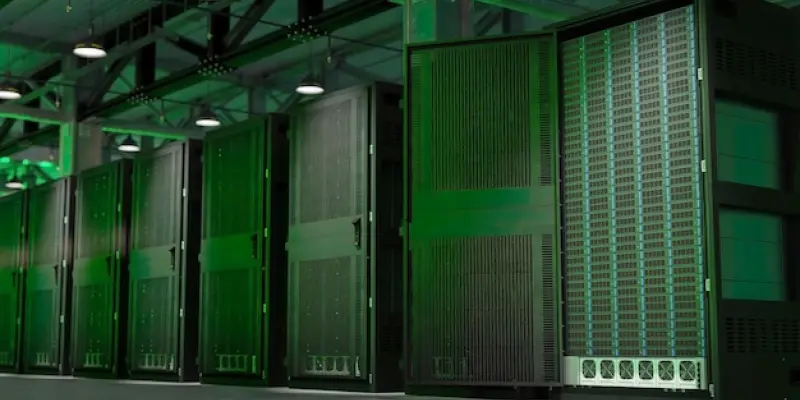
In an ambitious move that underscores the relentless march of technological progress, venture capitalist Chamath Palihapitiya has joined forces with Anita Verma-Lallian and a cadre of investors to acquire a vast expanse of land in Arizona. This acquisition, totaling 2,100 acres and called Hassayampa Ranch, was secured for a substantial sum of $51 million. The initiative is not just a real estate transaction but a strategic play to position Arizona as a significant center for data centers in the United States. Arizona’s appeal lies in its potential to provide 1,500 MW of power, a critical factor in the burgeoning industry of data management, which is driven by the insatiable needs of technology titans such as Amazon and Microsoft. This development is emblematic of the future of tech infrastructure, especially as the demand for artificial intelligence (AI) and cloud computing capabilities continues to surge.
The Strategic Timing and Economic Implications
The pursuit of this venture in Arizona is not without precedent. Just last year, a comparable initiative by the Arizona Land Consulting firm yielded an impressive 240% gain, demonstrating the lucrative nature of investing in the land primed for data-center development. This thriving landscape is caught in the crosscurrents of a rising demand for AI services and cloud storage solutions. With these forces at play, governments and private investors alike acknowledge the dual importance of economic gain and national security, prompting significant investments in infrastructure to support AI advancements. Partnering with Arizona Public Service for utility services is a tactical maneuver aimed at enhancing the land’s appeal to data-center constructors, thereby driving competition among tech companies eager to establish a foothold in this strategically advantageous locale. Such investments not only promise high returns but also help bolster the technological backbone of the nation.
Opportunities for Investors and Future Prospects
The Hassayampa Ranch project invites qualified investors to invest with a minimum of $250,000. This initiative not only reflects confidence in Arizona’s potential as a hub for AI data centers but also emphasizes investors’ interest in growing the tech sector’s infrastructure. The project seeks to exploit Arizona’s unique geographical and infrastructural strengths. By strategically aligning resources, it presents Arizona as a leader in technological advancement, setting a benchmark for future ventures. As this initiative gains momentum, Arizona is poised to become a significant player in the global technology scene, building the necessary infrastructure to support AI advancements.
Ending on a high note, the Hassayampa Ranch project in Arizona represents a strategic merging of investment foresight and technological needs, focusing on upcoming opportunities. This sizable investment has the potential to redefine Arizona’s role in digital infrastructure, cementing its position as an essential hub for AI data centers. As AI technology evolves, the groundwork established today might well support future technological frameworks, bringing both economic gains and advancements in national technological capabilities.