

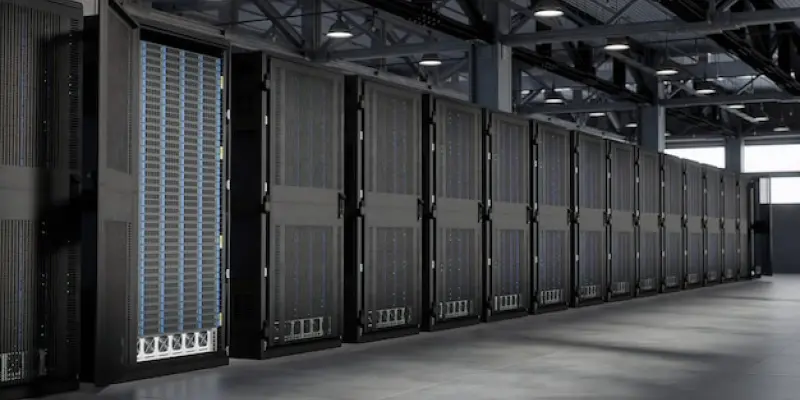
The past few years have witnessed a pivotal shift in the data center industry, where power availability has ascended as the primary factor influencing site selection for new data center projects. Historically, the focus for these centers was on marrying locale with accessibility to vital infrastructures such as highways and communication networks. However, with the advent and proliferation of artificial intelligence (AI), particularly generative AI, the dynamics have changed rapidly, necessitating unprecedented power resources for operations. This shift represents a significant transformation, where data centers must align with technological evolution to stay competitive. The expansion of AI technologies has triggered heightened demand for power, surpassing traditional priorities and redefining what constitutes an ideal site. As data centers adapt to these challenges, the overarching trend is clear: ensuring robust power availability is no longer just a consideration but a critical decision-making factor in the thriving AI-driven economy.
The Impact of AI and Power Needs on Site Selection
Artificial intelligence has emerged as a major driver for increased power needs in data centers, resulting in undeniable changes in site selection strategies. The demands of generative AI workloads are significant, requiring considerably more power than conventional data centers have historically consumed. This necessity has sparked a trend toward developing large-scale gigawatt capacity facilities. Such projects have multiplied rapidly, showcasing a leap from modest endeavors to substantial scale operations over a few short years. As AI continues to evolve and integrate deeper into tech solutions, so too grows the need for larger energy allocations—an evolution that has propelled data centers to consider power availability as the critical element in site selection. In response, non-traditional locations like North Dakota and West Texas, offering abundant energy resources and cost-effective land options, have surged as preferred sites, marking a strategic pivot toward regions where energy infrastructures align closely with contemporary business needs and opportunities.
Stranded Power and Sustainable Energy Solutions
An interesting component of the recent focus on power is the emergence of stranded power as a favorable resource in data center development. Stranded power consists of energy sources accessible for generation but physically remote from major consumption hubs. Areas rich in such capacities, like West Texas with its natural gas and North Dakota with vast wind energy potentials, have become hotspots for developers. These regions are capitalizing on the possibility of generating energy on-site or tapping into local grids to accommodate the power demands of data centers. The utilization of stranded power not only reduces dependency on traditional urban power networks but also offers sustainable solutions that align with current environmental considerations. Developers readily adopt strategies such as the Bring Your Own Power (BYOP) model to guarantee uninterrupted energy flow essential for AI operations. This approach fosters investment by enabling facilities to circumvent delays and uncertainties often associated with conventional utility systems.
Navigating Power Availability Challenges
The complexities associated with obtaining consistent power have prompted data center developers to innovate beyond existing infrastructures. Utility companies, sometimes cautious due to prior industry developments, often hesitate at large power allocation requests, fearing over-commitments reminiscent of past expansion errors. This environment has nudged developers toward creative alternatives, some drawing inspiration from ingenious adaptations such as repurposing old mill sites or exploiting their maintained power systems. The success of these ventures underscores the magnitude of power availability as a cornerstone in modern data center planning, compelling stakeholders to proactively manage energy integration. While prior concerns focused heavily on construction expenses and tax incentives, current narratives point emphatically towards energy readiness—an indispensable asset amid the burgeoning AI thirst for processing capacity. This shift calls for strong, scalable power strategies that anticipate future technological advancements, ensuring robust infrastructure preparedness across all sectors.
Conclusion: Emphasizing Strategic Energy Solutions
In recent years, the data center industry has undergone a significant transformation, with power availability emerging as the dominant factor in selecting sites for new projects. Traditionally, data centers prioritized locations that provided easy access to essential infrastructures like highways and communication networks. However, the rise of artificial intelligence (AI), particularly generative AI, has dramatically shifted these dynamics, demanding vast power resources for operations. This evolution marks a fundamental change, pushing data centers to align with technological growth to remain competitive. The rapid expansion of AI technologies has spurred an increased need for power, surpassing previous priorities and reshaping the criteria for an ideal site. As data centers navigate these new challenges, the prevailing trend is unmistakable: ensuring ample power availability has evolved from a mere consideration to a crucial decision-making element in the flourishing AI-driven economy, symbolizing a new era in infrastructure planning.