

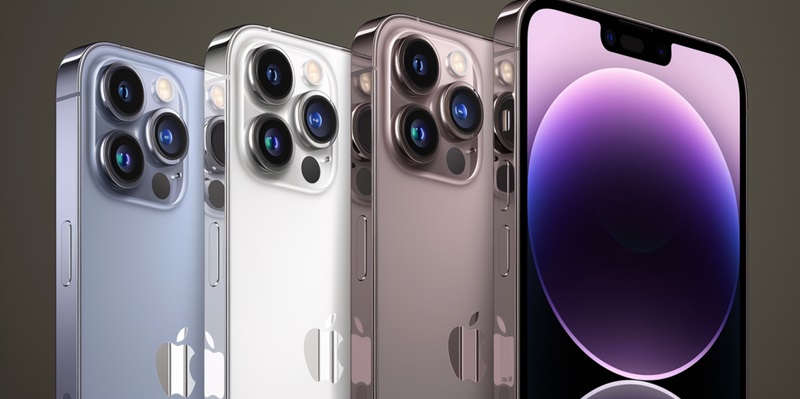
Apple is once again at the forefront of redefining luxury in the smartphone market with a new concept that could change the way we think about mobile devices. Rumours suggest that the tech giant is crafting an “iPhone Slim,” a device that not only pushes the boundaries of design but also potentially represents the zenith of smartphone luxury. The “iPhone Slim” is not simply a tweak to existing models, it’s a comprehensive reimagining of the iPhone as we know it, aiming to set a new benchmark for elegance and premium aesthetics in the technology world.
The Quest for Sleekness and Premium Design
The iPhone has long been synonymous with premium design, but the “iPhone Slim” could take this association to the next level. Apple is reportedly working on drastically reducing the thickness of its flagship device, a move that would create a sleeker, more elegant form factor than ever before. Sources intimate that the “iPhone Slim” will not only be thinner but also sport a horizontally aligned camera module—a design choice that’s reminiscent of the minimalistic approach taken by Google with its Pixel line.
More than just surface modifications, the “iPhone Slim” seems to be a response to a clientele that craves ultra-luxury combined with cutting-edge technology. Apple’s potential removal of the notch in favor of a minimally invasive camera cut-out, or even an under-display FaceID system, suggests an attempt to create a near borderless user experience. This design philosophy could position the “iPhone Slim” as the pinnacle of smartphone luxury, catering to a segment that values aesthetics just as much as functionality.
Balancing Innovation with Market Realities
Apple is poised to redefine smartphone opulence with a game-changing concept—the “iPhone Slim.” This isn’t just a minor upgrade but a radical overhaul of the iconic iPhone, crafted to establish a new high-water mark for sophistication in tech. Imagine an iPhone that elevates luxury to unprecedented levels, meticulously designed to be the zenith of elegance in your palm. As speculation swirls, this concept suggests a device that could transform perceptions of mobile luxury, merging top-tier design with cutting-edge technology. The “iPhone Slim” concept appears set to become the new emblem of premium smartphone aesthetics, confirming Apple’s status as a trendsetter in design innovation. If rumours hold true, this could be more than a mere evolution, it could be a revolution for the luxury smartphone segment, showcasing Apple’s commitment to leading the way in creating unparalleled devices.