

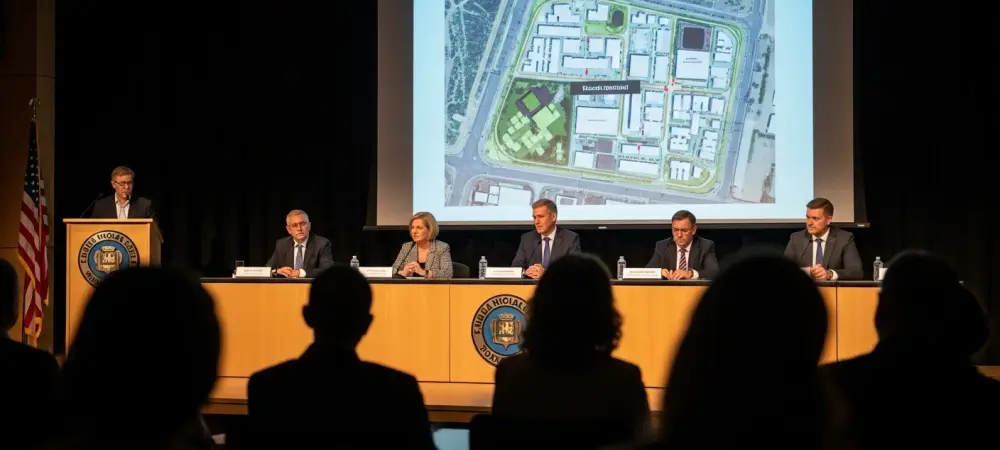
The Center of a Community Debate
A contentious seven-hour city council meeting that ended with the approval of a massive industrial rezoning has sharply divided the community of Joplin, Missouri, placing it at the crossroads of technological advancement and local preservation. The decision to annex and rezone 600 acres of land from single-family residential to heavy industrial has cleared a path for a potential AI data center, sparking both hope for economic growth and significant public outcry.
This situation raises critical questions about the balance between development and community interests. This article aims to explore the key facets of this debate, providing a neutral overview of the proposed project, the arguments for its implementation, and the concerns fueling the opposition. By examining the central issues, residents and observers can gain a clearer understanding of what this development could mean for Joplin’s future.
Unpacking the Central Issues
What Is the Nature of the Proposed Project
The project revolves around a request filed by Wildwood Ranch, LLC, which successfully petitioned the city to rezone a large tract of land in the southwest part of the city. The intention is to sell this property to an as-yet-unnamed developer specializing in AI data centers. While specific details about the end-user remain confidential, the scale of the project is significant. Local economic development organizations suggest the site could accommodate a facility with at least 200MW of capacity. Such a development would represent a major technological investment in the region, positioning Joplin as a new hub for digital infrastructure, a role historically dominated by larger metropolitan areas like Kansas City and St. Louis.
Why Is There Significant Local Opposition
The proposal has been met with organized and vocal resistance from a portion of the community. A group called Joplin Citizens Against Wildwood Ranch Data Center Site has emerged as the primary voice of dissent, articulating concerns over the project’s location and potential impact on the quality of life for nearby residents. Their opposition is not just a minor disagreement; it is a structured campaign. This group is actively demanding a repeal of the council’s decision and is advocating for a 12-month moratorium on any new data center construction to allow for more thorough review and public input. Their efforts are supported by a Change.org petition that has garnered over 1,400 signatures, demonstrating a substantial level of public concern over the rezoning. The tension culminated in a lengthy and reportedly heated council meeting, which underscored the deep divisions within the city.
A Summary of the Situation
The core of the issue in Joplin is the classic conflict between economic development and community preservation. On one hand, the potential AI data center represents a substantial investment that could bring high-tech jobs and economic diversification. On the other, residents raise valid concerns about the environmental impact, strain on local resources, and the transformation of residential land into an industrial zone. The city council’s approval moves the project forward, but the citizen-led opposition continues to challenge the decision, indicating the debate is far from over.
A Community at a Crossroads
The Joplin city council’s decision marked a pivotal moment, but it was not the final word on the matter. The ongoing efforts by citizen groups to repeal the rezoning demonstrated that the community’s voice remains a powerful force in shaping the city’s future. This situation highlighted the need for transparent communication and a balanced approach when major industrial projects are proposed near residential areas. How Joplin navigates this challenge could set a precedent for similar towns weighing the promises of the digital age against the priorities of their local communities.