
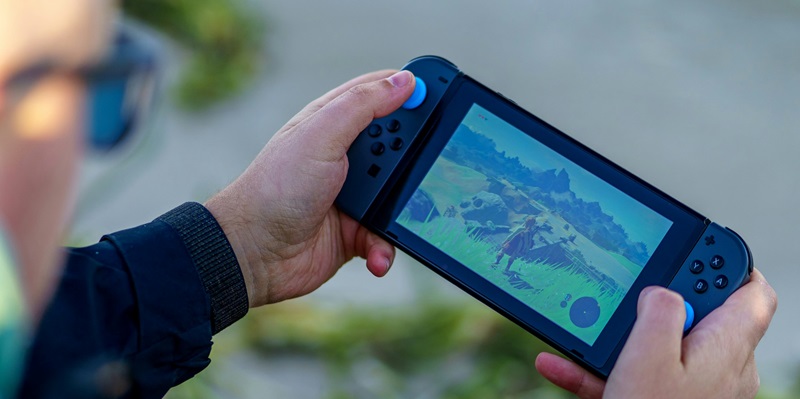
Is AMD’s Ryzen 7 8840U a Game-Changer for Portable PC Gaming?

In the dynamic world of portable PC gaming, efficiency and compact power are crucial. AMD, a leading force with its CPU and GPU integrated APUs, takes center stage with the Ryzen 7 5840U. This groundbreaking chip signals a new age of high-performance gaming in sleeker devices. The Ryzen 7 5840U sets new benchmarks, suggesting a promising future for on-the-go gamers. AMD’s latest offering could be the defining factor in the growing competition for portable gaming supremacy.

Assessing Performance Milestones

The entry of the Ryzen 7 5840U into AMD’s lineup heralds a significant leap forward. Benchmarks show a 7% boost in frame rates over the Steam Deck’s Aerith APU, maintaining the same power consumption. This chip exemplifies AMD’s progress in performance per watt—a vital aspect for mobile devices. Beyond gaming enhancements, the increase in efficiency promises longer battery life, a major win for portable gaming enthusiasts.

The Ryzen 7 5840U doesn’t just keep pace with rivals, including Intel’s Meteor Lake; it surpasses them. It excels in both gaming and productivity, offering a compelling option for a variety of portable computing applications. Its dual strengths in efficiency and versatility position the Ryzen 7 5840U as a top pick for future portable gaming devices.

Implications for the Market and Future Designs

Valve’s Steam Deck remains competitive with its custom Aerith APU, but the Ryzen 7 5840U’s performance sets a remarkable precedent. This advancement hints at what’s possible for upcoming handheld consoles and may push Valve to adopt similarly efficient chips in prospective models, such as the hypothesized Steam Deck 2, to stay relevant.

The Ryzen 7 5840U could also drive innovation across the portable gaming industry. The quest for better battery life is ongoing, and any chip that offers extended playtime without hardware compromises is a welcome development. This chip may lead us into a new chapter in portable PC gaming, where power and portability coexist seamlessly, transforming the gaming-on-the-go experience.

Explore more

How Can HR Resist Senior Pressure to Hire the Unqualified?

The request usually arrives with a deceptive sense of urgency and the heavy weight of authority when a senior executive suggests a “perfect candidate” who happens to lack every required credential for the role. In these high-pressure moments, Human Resources professionals find themselves caught in a professional vice, squeezed between their duty to uphold organizational integrity and the direct orders

Why Strategy Beats Standardized Healthcare Marketing

When a private surgical center invests six figures into a digital presence only to find their schedule remains half-empty, the culprit is rarely a lack of technical effort but rather a total absence of strategic differentiation. This phenomenon illustrates the most expensive mistake a medical practice can make: assuming that a high-performing campaign for one clinic will yield identical results

Why In-Person Events Are the Ultimate B2B Marketing Tool

A mountain of leads generated by a sophisticated digital campaign might look impressive on a spreadsheet, yet it often fails to persuade a skeptical executive to authorize a complex contract requiring deep institutional trust. Digital marketing can generate high volume, but the most influential transactions are moving away from the screen and back into the physical room. In an era

Hybrid Models Redefine the Future of Wealth Management

The long-standing friction between automated algorithms and human expertise is finally dissolving into a sophisticated partnership that prioritizes client outcomes over technological purity. For over a decade, the financial sector remained fixated on a zero-sum game, debating whether the rise of the robo-advisor would eventually render the human professional obsolete. Recent market shifts suggest this was the wrong question to

Is Tune Talk Shop the Future of Mobile E-Commerce?

The traditional mobile application once served as a cold, digital ledger where users spent mere seconds checking data balances or paying monthly bills before quickly exiting. Today, a seismic shift in consumer behavior is redefining that experience, as Tune Talk users now spend an average of 36 minutes daily engaged within a single ecosystem. This level of immersion suggests that