

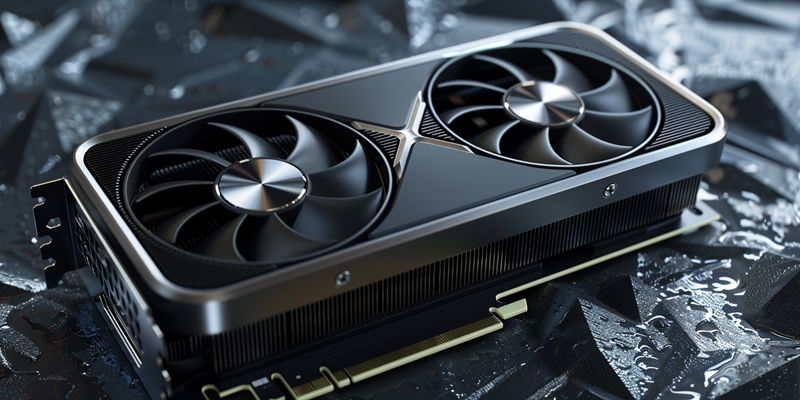
Understanding the future of GPU design reveals a fascinating journey through the evolution of Graphics Processing Units (GPUs), as they strive to meet the escalating demands of gaming, professional applications, and artificial intelligence. AMD has recently fueled this journey with a patent that unveils a groundbreaking shift towards a multi-chiplet architecture for its future RDNA (Radeon DNA) GPUs. This innovative design paradigm signifies a significant departure from the conventional monolithic structures that have long characterized GPU architecture, potentially transforming the landscape of graphics technology.
The Shift from Monolithic to Multi-Chiplet Design
The concept of multi-chiplet architecture represents a pivotal evolution in GPU design, challenging the traditional monolithic approach that consolidates all processing units into a single, unified chip. AMD’s patent centers on a transformative methodology that integrates multiple smaller GPU chiplets into a cohesive package. This design can operate either independently or as a united entity, thereby promising increased flexibility and efficiency. The inspiration behind this paradigm shift isn’t unprecedented; AMD has previously implemented multi-chiplet designs in their Instinct MI200 AI accelerators, successfully enhancing performance by employing Graphics Processing Cores (GPCs) alongside High Bandwidth Memory (HBM) and I/O dies within a single package.
This multi-chiplet architecture aims to offer various operational modes tailored to different performance requirements. By allowing chiplets to function collectively or autonomously, AMD’s innovative design promises to revolutionize not just gaming experiences but also complex computational tasks and professional applications. The flexibility embedded in this approach could potentially address a diverse array of computing needs, making it a versatile solution for the growing demands of modern technology.
Modes of Operation: Flexible and Scalable
AMD’s patent outlines three primary modes of operation under this multi-chiplet architecture, each meticulously designed to balance optimal performance with resource management and scalability. These modes present a versatile framework that enhances both efficiency and computational power.
Single GPU Mode
In Single GPU Mode, the chiplets operate as a single cohesive unit, drawing synergy akin to how monolithic GPUs function today. By working together, the GPU chiplets deliver maximum performance for demanding tasks, aligning closely with the familiar architecture of traditional GPUs. This mode bridges the gap between past and future technology by maintaining a familiar operational framework while reaping the benefits of a multi-chiplet integration. It promises to drive advancements in performance by harnessing the collective power of multiple chiplets operating as one robust system.
Independency Mode
Independency Mode allows for each chiplet to function independently, orchestrated by a dedicated front-end die. This setup facilitates parallel processing of tasks, efficiently distributing workloads among the various chiplets. The advantage here is clear: tasks that benefit from parallel processing capabilities see widespread performance improvements. This mode extends the versatility of the GPU architecture by enabling it to cater to applications where task distribution and independent processing are critical, enhancing the efficiency in scenarios that require high levels of parallelism.
Hybrid Mode
The Hybrid Mode synthesizes the strengths of both Single GPU and Independency modes, offering the best of both worlds by allowing chiplets to operate collectively or independently based on the specific demands of the workload. This dual capability ensures optimized resource utilization and promotes scalability, making the architecture highly adaptable to a variety of computational tasks. Employing Hybrid Mode, the system can dynamically adjust its operational configuration to either maximize performance or improve resource management, thereby offering unparalleled versatility and efficiency.
Addressing the Challenges
While the multi-chiplet architecture from AMD heralds significant advantages in terms of flexibility and performance, it also introduces a range of complexities that need to be addressed. The production of multi-chiplet GPUs demands advanced manufacturing techniques and meticulous engineering, which inherently elevates production costs. The integration and precise alignment of multiple chiplets within a single package require sophisticated equipment and processes, highlighting the technological intensity of this innovation.
Moreover, the architecture’s dynamic nature necessitates robust software capable of effectively managing and distributing tasks across the multiple chiplets. Ensuring compatibility and optimizing performance for various applications pose significant challenges. Hence, software must be as adaptable and sophisticated as the hardware itself to handle the dynamic inter-chiplet operations seamlessly. AMD’s extensive experience in multi-chiplet designs for CPUs and AI accelerators provides a solid foundation to address these hurdles, though the path to consumer-ready multi-chiplet GPUs remains fraught with intricacies.
Industry Trends and AMD’s Strategic Position
The GPU industry is witnessing a broader trend towards multi-chiplet architectures as the limitations of monolithic designs become more pronounced. AMD’s patent indicates a strategic positioning at the forefront of this technological evolution. Their previous successes with multi-chiplet CPU designs, evident in their Ryzen and Epyc processors, bolster their capability to leverage similar strategies for GPUs. This move aligns with AMD’s long-standing tradition of innovation, suggesting that they may set a new industry standard for future GPU designs.
However, as of now, AMD has yet to introduce multi-chiplet designs fully into its consumer GPU lineup. Their latest RDNA 3 series GPUs, such as the Navi 31, still employ a monolithic approach combined with cache dies for memory control. This current phase indicates AMD is likely refining its multi-chiplet technology before rolling it out extensively into the consumer market. Such a transitional phase is expected in the face of new, complex architectures that promise to alter the status quo.
The Road Ahead for Multi-Chiplet GPUs
Understanding the future of GPU design offers a captivating journey through the evolution of Graphics Processing Units (GPUs) as they aim to tackle the rising demands of gaming, professional tasks, and artificial intelligence. Lately, AMD has invigorated this journey by securing a patent that introduces a revolutionary shift toward a multi-chiplet architecture for its upcoming RDNA (Radeon DNA) GPUs. This novel design approach marks a significant departure from the traditional monolithic structures that have defined GPU architecture for years. Such a transition could dramatically reshape the terrain of graphics technology, emphasizing increased efficiency, better performance, and enhanced scalability. By leveraging multiple smaller chips working in harmony rather than a single large one, AMD’s new architecture could pave the way for more powerful and versatile GPUs. This innovation not only holds promise for gaming enthusiasts but also for professionals and researchers relying on cutting-edge graphics and computational capabilities. Indeed, the future of GPU design looks poised for a transformative leap forward.