

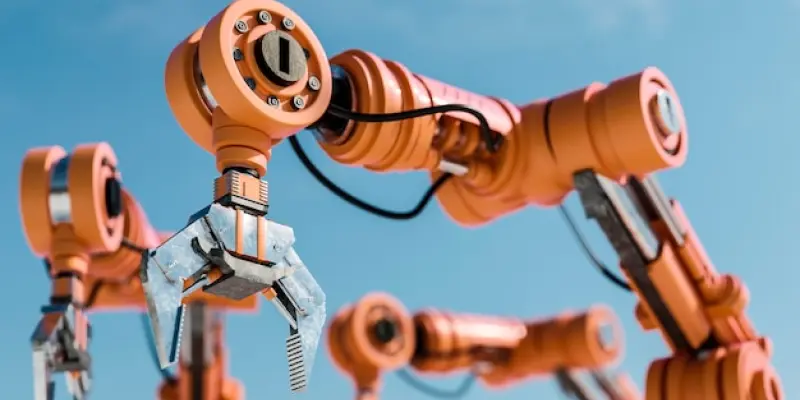
In a transformative shift within the technology industry, Hugging Face’s acquisition of Pollen Robotics signals profound changes in artificial intelligence’s trajectory, emphasizing its physical integration through robotics. This strategic union marks a significant departure from traditional AI, which mainly functioned within digital confines, and suggests potential for novel applications in the tangible world. With robotics increasingly interacting with foundational AI models, such as those integrating multimodal capabilities, this acquisition could redefine how technology interfaces with everyday life. Hugging Face’s strategic vision underlines the move as pivotal in establishing a physical AI frontier, promising advancements that resonate across various sectors. The collaboration brings together Hugging Face’s open-source prowess and Pollen Robotics’ hardware expertise, aiming to bridge theoretical AI capabilities with practical implementations. This tactic intends to exploit existing technological milestones, circumventing the necessity to build new systems from scratch, enabling a faster transition toward a reality where robots could intelligently navigate human contexts.
Strategic Motives Behind the Acquisition
Hugging Face’s decision to acquire Pollen Robotics revolved around several strategic goals that emphasize the integration of AI with physical forms. Through this acquisition, Hugging Face obtained access to Reachy 2, a humanoid robot renowned for its research capabilities among esteemed academic institutions like Cornell University and Carnegie Mellon. This maneuver allows Hugging Face to leverage existing advancements, minimizing the need to initiate developmental processes from the beginning. Nvidia has endorsed Hugging Face’s endeavors, particularly with their humanoid robot foundation models, signifying industry support and alignment in this innovative pursuit. Moreover, the LeRobot library’s growth, with over 12,000 GitHub stars accumulating within 12 months, highlights intense interest from developers and fosters an open-source environment conducive to rapid advancements in robotics. The strategic move is timely, aligning with the maturation of foundation models capable of controlling physical systems, potentially accelerating AI’s transition into embodied forms.
Ecosystem Leverage and Timing Advantage
The expansive developer community surrounding Hugging Face provides substantial ecosystem leverage, crucial for advancing open robotics tools and enhancing the AI-to-robotics stack. This community promises an influx of innovation, catalyzing growth within this sector and ensuring robust support for evolving robotics software and hardware synergies. The timing of this acquisition is equally noteworthy, coinciding with breakthroughs in foundation models that empower robust control over physical systems. As hardware components become more affordable, these advancements collectively establish a fertile ground for deploying sophisticated robotic solutions capable of interacting seamlessly with AI-generated cues. Hugging Face and Pollen Robotics exemplify a symbiotic relationship, highlighting unique value that emerges from collaborations where open-source software meets optimized hardware. Consequently, this partnership not only positions Hugging Face advantageously within this emerging market but also suggests potential innovations that could reshape AI’s interaction with the physical environment.
Transformative Implications and Industry Prospects
The acquisition symbolizes a profound transformation within the AI and robotics realm, potentially democratizing robotics akin to the open-source revolution witnessed in AI frameworks. Hugging Face and Pollen Robotics lead this transformative charge, showcasing how combined expertise in AI and hardware can fuel industry-wide advancements. If successful, this democratization might unleash new waves of innovation, reflective of strategic consensus that melds established AI infrastructure with sophisticated robotic designs under an open-source philosophy. Consequently, these developments could spark evolutionary shifts across various industries, marking an era where embedded intelligence becomes commonplace. Hugging Face’s strategic initiative does not merely extend product portfolios but suggests a paradigm shift where AI-robotics synergy catalyzes unprecedented capabilities. This tactical move underlines how collaborative efforts between software and hardware entities can pioneer novel applications, ultimately reshaping industries through groundbreaking innovations that blend intelligence and practicality.
Future Prospects in AI and Robotics Integration
Hugging Face’s acquisition of Pollen Robotics marks a transformative shift in the tech industry, highlighting significant changes in artificial intelligence by incorporating it into robotics. This strategic merger represents a major move away from traditional AI, which has largely operated within digital spaces, suggesting new possibilities for applying AI in the real, tangible world. As robotics increasingly incorporate foundational AI models, including those with multimodal capabilities, this acquisition could fundamentally change how technology impacts everyday life. Hugging Face’s vision emphasizes establishing a new frontier in physical AI, promising innovations that will influence various sectors. By combining Hugging Face’s open-source expertise with Pollen Robotics’ proficiency in hardware, the collaboration aims to link theoretical AI with practical applications. This strategy intends to leverage existing technological advancements, avoiding the need to create systems from scratch, and accelerating the journey toward a world where robots can intelligently navigate and operate within human environments.