

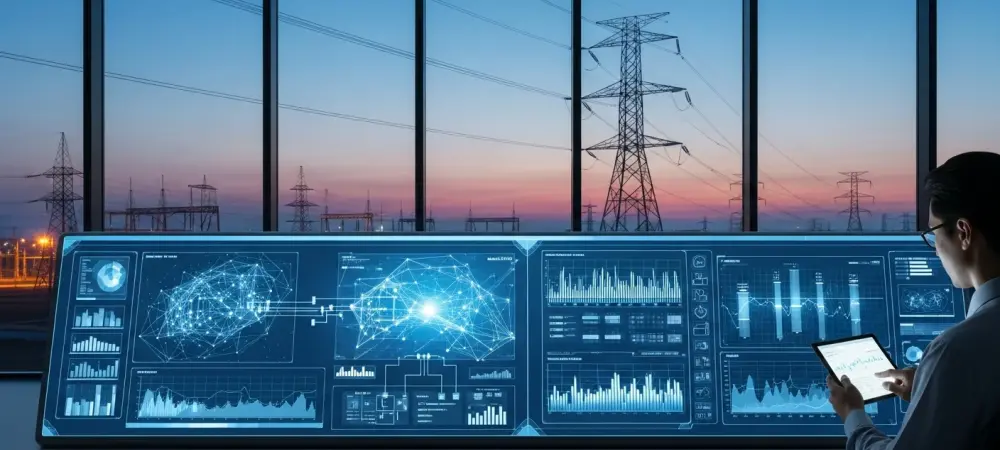
Digital skirmishes often serve as a silent prelude to physical confrontations, yet the recent surge in Iranian-linked cyber activity suggests a more immediate and dangerous evolution in modern warfare. Security researchers have observed a dramatic escalation in reconnaissance and espionage directed at critical infrastructure, marking a departure from traditional data theft toward potential physical disruption. This shifting landscape demands a deeper understanding of the motivations and methods driving these state-linked actors.
The following analysis explores the specific threats posed by these groups and the sectors most at risk. By examining the current tactics of the Islamic Revolutionary Guard Corps and its affiliates, the article provides a comprehensive overview of the digital defensive measures now required to protect essential services. Readers can expect to gain insights into how geopolitical tensions are translating into technical vulnerabilities across the globe.
Understanding the Iranian Cyber Threat
Why Have Iranian Cyberattacks Suddenly Accelerated?
Recent military engagements involving the United States and Israel have acted as a catalyst for a renewed digital offensive from Tehran. Following a brief period of strategic silence during initial kinetic strikes, threat actors linked to the Iranian state have rapidly mobilized to gather intelligence and probe for weaknesses in foreign networks. This acceleration signals a shift in strategy, where cyber operations are used to project power and exert geopolitical pressure without the immediate risk of traditional military retaliation.
Furthermore, these activities are no longer limited to simple propaganda or low-level disruptions. The current wave of attacks reflects a sophisticated coordination between hacktivist groups and formal intelligence agencies. By leveraging these hybrid tactics, the Iranian state can maintain plausible deniability while simultaneously conducting high-stakes espionage. This environment has forced international security agencies to move from a reactive posture to a state of constant, heightened vigilance.
Which Specific Sectors Face the Greatest Risk?
While the digital dragnet is wide, the focus remains heavily concentrated on critical infrastructure that sustains daily life and national security. The energy, finance, and telecommunications sectors in the United States, Israel, and the Gulf region are currently the primary targets of groups like Hydro Kitten. These actors are specifically looking for vulnerabilities in industrial control systems, which manage everything from electrical grids to water treatment facilities, representing a significant risk to public safety.
In addition to energy and utilities, the healthcare and financial services industries are seeing a rise in targeted threats. Financial institutions, in particular, have received specific warnings of impending disruptions designed to undermine economic stability. Because these sectors are deeply interconnected, a successful breach in one area often creates a cascading effect, threatening the integrity of regional supply chains and essential services.
What Tactics Are Researchers Identifying in the Field?
The technical arsenal deployed by these groups has become increasingly destructive, moving beyond simple information gathering to include more aggressive tools. Experts have identified the frequent use of “wipers,” which are malicious programs designed to permanently destroy data on a target system. This is often paired with Distributed Denial of Service attacks to overwhelm network defenses and mask the simultaneous deployment of more invasive malware.
Moreover, there is a growing trend of targeting remote-control systems used by private firms to manage infrastructure. By compromising the software that oversees these systems, hackers can theoretically gain physical control over mechanical processes. This transition from digital espionage to potential physical sabotage represents the most concerning aspect of the current threat landscape, as it moves the conflict from the realm of data into the physical world.
Summary of Global Defensive Responses
Global authorities and private-sector leaders have recognized the gravity of these developments and are implementing rigorous new protocols. The U.S. Department of Homeland Security has intensified its coordination with local law enforcement to monitor domestic threats, while the UK’s National Cyber Security Centre has issued urgent guidance for businesses to audit their supply chains. These efforts are focused on creating a resilient defense-in-depth strategy that can withstand the current volatility.
The consensus among security professionals was that the era of treating cyberattacks as isolated incidents had ended. Instead, these digital incursions were viewed as integral components of a broader geopolitical struggle. Organizations that prioritized multi-factor authentication and real-time monitoring were better positioned to deflect these sophisticated probes, proving that proactive defense was the only viable path forward in an increasingly hostile digital environment.
Final Reflections on Digital Sovereignty
Navigating this complex security environment requires a fundamental shift in how both government entities and private corporations perceive their digital boundaries. It is no longer sufficient to merely react to breaches after they occur; the focus must transition toward building systemic resilience that assumes the inevitability of an attempted compromise. As these state-linked actors continue to refine their methods, the gap between traditional security and modern cyber defense will only continue to widen.
Individuals and stakeholders should consider how their own operational dependencies might be exposed in a wider regional conflict. Strengthening internal defenses and participating in information-sharing networks are essential steps in safeguarding the infrastructure that underpins modern society. The current situation serves as a stark reminder that in the modern age, the front lines of any conflict are as likely to be found in a server room as they are on a physical battlefield.