

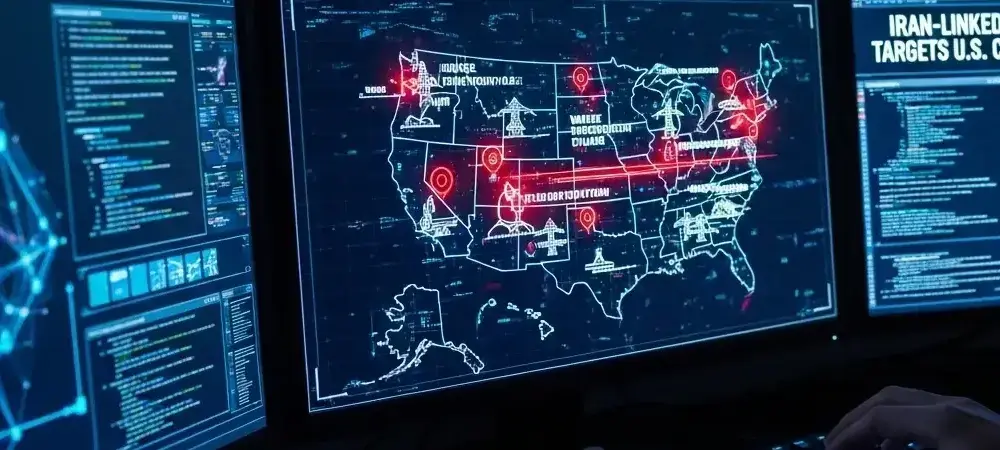
The modern battlefield has shifted from physical borders to the intricate digital networks that regulate the water we drink and the electricity powering our homes. While traditional warfare often involves visible movements of troops and hardware, the current digital age is defined by silent intrusions into the industrial control systems that underpin western society. Among the most aggressive actors in this space is a group known as CyberAv3ngers, a collective whose activities have fundamentally altered the landscape of infrastructure security. This article examines the rising threat posed by this entity, explores its sophisticated technical arsenal, and addresses the critical questions surrounding the safety of essential public services.
The scope of this discussion encompasses the transition of Iranian cyber operations from simple website defacements to the direct manipulation of physical machinery. Readers will gain an understanding of how state-sponsored actors exploit unpatched vulnerabilities in programmable logic controllers and the specific malware used to maintain persistent access within civilian networks. By analyzing the current state of these threats, the narrative provides a comprehensive overview of the challenges facing utility providers and the strategic defensive measures required to protect the public.
The Escalating Threat to Global Infrastructure
Who Is CyberAv3ngers and Why Are They a Significant Threat?
The emergence of CyberAv3ngers marks a significant professionalization of Iranian cyber capabilities, signaling a shift from disorganized hacktivism toward highly coordinated state-directed operations. Formally attributed to the Cyber-Electronic Command of the Islamic Revolutionary Guard Corps, the group has evolved from a minor collective into a sophisticated unit specializing in the disruption of Operational Technology. Their focus remains primarily on the vital systems that manage water treatment, energy distribution, and industrial manufacturing, making their actions a direct concern for national security and public safety.
Security researchers across the globe track this group under various designations, such as Storm-0784 and Bauxite, reflecting the broad recognition of their disruptive potential. By targeting the hardware responsible for controlling physical processes, the group transcends the traditional boundaries of data theft and enters the realm of kinetic impact. This evolution suggests that the primary objective is no longer just espionage but rather the ability to exert pressure on foreign governments by threatening the reliability of their most critical infrastructure.
How Have the Group’s Tactics Evolved to Disrupt Critical Systems?
The operational history of the group reveals a calculated progression from opportunistic exploits toward the targeting of specific, high-value vulnerabilities. In the recent past, the actors focused on exploiting internet-facing devices that used factory-default passwords, leading to successful breaches of water authority systems in both the United States and Europe. These early successes demonstrated how easily essential services could be compromised when basic security hygiene was neglected, resulting in localized but significant service outages that affected thousands of residents.
As the group matured, it shifted its focus toward more complex vulnerabilities within industrial hardware, specifically targeting authentication bypass flaws in popular controller families. A particularly concerning development is the exploitation of vulnerabilities like CVE-2021-22681, which allows unauthorized users to connect to industrial controllers without valid credentials by intercepting cryptographic keys. Because some of these flaws lack a direct software patch, the threat remains persistent and requires active management rather than a simple technical update, forcing organizations to rethink their entire network architecture.
What Is the IOCONTROL Malware and How Does It Compromise Infrastructure?
Central to the technical capabilities of the group is the IOCONTROL malware, a modular platform designed specifically for Linux-based environments commonly found in routers, firewalls, and human-machine interfaces. Unlike traditional viruses that aim for rapid spread, this malware is built for stealth and long-term persistence within civilian networks. It allows the actors to blend into legitimate traffic by using standard communication protocols, making it exceptionally difficult for traditional security tools to detect its presence until a disruptive command is issued.
The malware utilizes sophisticated techniques such as DNS-over-HTTPS and encrypted communication channels to maintain contact with its command servers without triggering alarms. By installing itself as a system boot script and protecting its configuration data with high-level encryption, IOCONTROL ensures that the attackers can retain control even after a system restart. This degree of technical sophistication illustrates a move toward nation-state level cyber weaponry that is specifically engineered to survive within the unique constraints of industrial environments.
What Are the Geopolitical Implications of These Ongoing Cyber Operations?
The activities of CyberAv3ngers are deeply intertwined with broader geopolitical tensions, serving as a tool for projecting power beyond physical borders. The international community has responded with sanctions and significant monetary rewards for information leading to the neutralization of the group leaders, yet the threat persists through a decentralized network of affiliates. Research indicates that the tactics pioneered by this group have spread to dozens of other hacktivist factions, creating a situation where the methods for attacking infrastructure are now widely available to various actors.
This proliferation of knowledge means that the threat is no longer confined to a single organized unit but has become a shared capability among groups intent on causing regional instability. The persistent re-emergence of these actors under new names and the resilience of their infrastructure highlight the difficulty of deterring state-sponsored cyber activity. As these groups continue to refine their methods, the line between political protest and state-sponsored warfare becomes increasingly blurred, demanding a more unified international approach to digital defense.
What Defensive Measures Can Organizations Take to Mitigate These Risks?
The absence of universal software patches for certain industrial vulnerabilities necessitates a shift toward more robust defensive configurations and physical safeguards. Experts emphasize that any controller not strictly requiring an internet connection should be removed from the public web immediately to reduce the attack surface. Furthermore, isolating industrial network segments from the broader corporate IT environment prevents attackers from moving laterally through a company’s digital infrastructure after an initial breach.
Organizations are also encouraged to utilize physical mode switches on their hardware to prevent unauthorized remote changes to the logic that governs industrial processes. Replacing consumer-grade remote access tools with enterprise-level virtual private networks that require multi-factor authentication provides an essential layer of security. Constant monitoring for unusual communication patterns, especially those involving protocols typically used by malware for command and control, remains the most effective way to identify an intrusion before it results in physical damage.
Summary: Key Takeaways on Infrastructure Security
The transition of the CyberAv3ngers group into a state-sponsored threat entity underscored the vulnerability of modern industrial systems to targeted digital strikes. Throughout the analyzed period, the group demonstrated an ability to move from simple password exploitation to the use of sophisticated malware like IOCONTROL. The persistence of these actors, despite international sanctions and law enforcement efforts, highlighted the enduring nature of the threat. It became clear that the security of water and energy utilities depended less on individual patches and more on a holistic approach to network isolation and physical safety measures.
The proliferation of these tactics across various hacktivist groups indicated that the methodology for attacking critical systems became a standardized part of the digital arsenal. This widespread availability of exploit techniques shifted the responsibility of defense toward proactive monitoring and the adoption of zero-trust principles within operational environments. For those seeking deeper technical insights, consulting the joint advisories from the FBI and CISA provided a roadmap for identifying indicators of compromise and hardening industrial assets against future incursions.
Reflections: The Future of Industrial Defense
The rise of Iranian cyber operations against critical infrastructure served as a stark reminder that the security of essential services is a shared responsibility. While the technical details of malware and vulnerabilities provided a foundation for defense, the broader lesson involved the necessity of constant vigilance in an interconnected world. The situation prompted a re-evaluation of how society manages the risks associated with the automation and digitization of life-sustaining systems.
Ultimately, the challenge posed by these actors required more than just technical solutions; it demanded a cultural shift toward prioritizing security in every layer of industrial design. Organizations that successfully adapted to this reality did so by integrating security experts into the heart of their operations and treating digital defense as an ongoing process rather than a one-time project. As the digital landscape continues to change, the ability to remain resilient against state-sponsored threats will determine the stability and safety of the communities we serve.