

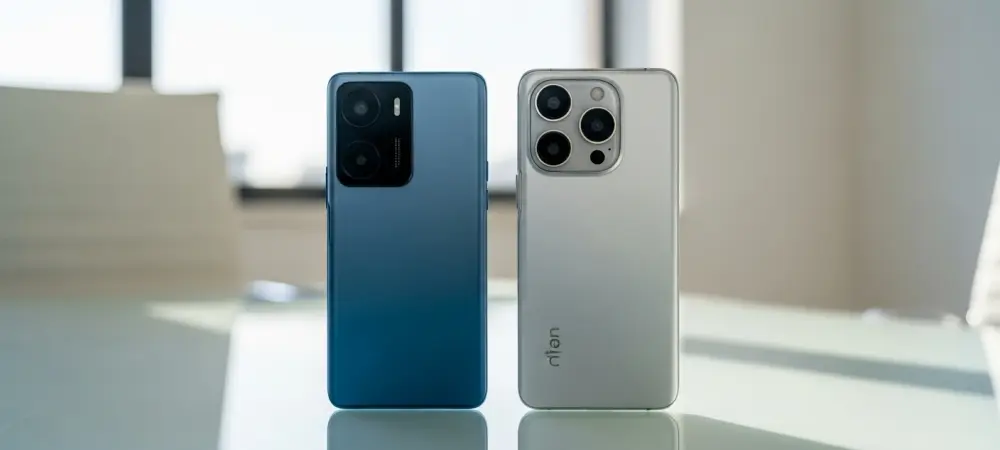
Navigating the crowded mid-range smartphone landscape often feels like a balancing act between raw performance and budget-friendly aesthetics. The iQoo Z11 series represents the latest evolution in the brand’s lineup, specifically targeting the global market with its debut on May 6. This series showcases a strategy of hardware localization within the Malaysian and broader Southeast Asian regions. As part of an expanding ecosystem that includes the iQoo 15T and the iQoo Pad 6 Pro, these smartphones offer high performance at a competitive price point.
Overview of the iQoo Z11 Series and Global Market Positioning
Understanding the distinction between these two models is essential for consumers navigating the nuances of modern hardware. The brand positioned the standard Z11 and the Z11x to capture different segments of the mid-range market. By tailoring the specifications for international audiences, the company aimed to strengthen its presence against established competitors in the region.
Core Technical and Aesthetic Comparisons
Internal Processing Power and Global Chipset Variations
A primary differentiator for the Z11 series lies in its processing architecture, specifically the shift from regional to global hardware. While the Chinese variant utilizes the MediaTek Dimensity 8500, the global model, identified as I2512, is powered by the Snapdragon 7s Gen 4 chipset. This choice reflects a strategic preference for Qualcomm’s architecture in international markets to balance efficiency and raw speed. Performance metrics for this global hardware have been documented via Geekbench, showing a single-core score of 1,214 and a multi-core score of 3,091. This shift ensures that global users receive a chipset optimized for the specific software demands and connectivity standards found outside of mainland China.
Memory Tiers and Storage Scalability
The two models cater to different user requirements regarding multitasking and data storage. The standard iQoo Z11 is positioned as the premium option, offering higher memory configurations of 8GB/256GB and 12GB/256GB. Such tiers provide a higher operational ceiling for demanding applications and long-term usage without performance degradation. In contrast, the iQoo Z11x is tailored for budget-conscious consumers or those with lighter usage patterns. It provides tiers of 8GB/128GB and 8GB/256GB. While the top-end storage matches the base of the standard model, the lack of a 12GB RAM variant marks a clear distinction in how these devices handle intensive background processes.
Visual Identity and Industrial Design Elements
Design language serves as a clear physical indicator between the two devices. The iQoo Z11 features a distinct pill-shaped camera housing and is available in a professional color palette of blue and black. This look leans toward a more sophisticated, flagship-inspired aesthetic that appeals to users seeking a premium feel in the mid-range segment. The iQoo Z11x adopts a different visual approach with a square camera module, distinguishing it from its sibling at a glance. Furthermore, the Z11x introduces a silver color option alongside the standard black. This variety provides a different aesthetic appeal for users who prioritize external styling and unique finishes as much as internal specifications.
Implementation Challenges and Regional Hardware Divergence
The primary challenge for consumers involved the divergence between regional hardware specifications. The transition from the MediaTek Dimensity 8500 to the Snapdragon 7s Gen 4 for the global release created some confusion regarding software optimization. Users had to weigh the benefits of the Qualcomm ecosystem against the known performance of the Chinese variant.
Additionally, the limitation of the iQoo Z11x to lower storage tiers presented an obstacle for users requiring high-capacity internal space. Choosing between these devices required a careful assessment of whether the performance gains and the refined design of the standard Z11 justified the price gap over the more modest Z11x.
Final Summary and Purchase Recommendations
The selection between the iQoo Z11 and iQoo Z11x hinged on specific user priorities and budget constraints. Power users and mobile gamers found the standard iQoo Z11 to be the superior choice, as it provided up to 12GB of RAM and a more sophisticated design. This model addressed the needs of those who sought longevity and higher multitasking overhead.
For users seeking a more affordable entry point, the Z11x served as a capable alternative with its unique square camera aesthetic and silver color option. Most consumers eventually prioritized the verified stability of the global Snapdragon 7s Gen 4 chipset when making their final decision. The market response suggested that the strategic hardware adjustments successfully met the diverse needs of the global audience.