

The tech world is abuzz following the latest unveiling from Apple regarding its iOS 18, where adoption rates have skyrocketed compared to other mobile software updates. Apple’s Worldwide Developer Conference has become a focal point for enthusiasts and industry experts alike, with the company sharing impressive data that highlight its dominance in software updates. In a landscape often disrupted by rapid technological advancements and fierce competition, Apple appears to have solidified its stance as a frontrunner in mobile operating systems. The statistics shared indicate that a significant percentage of eligible iPhones have upgraded to iOS 18. With such adoption rates, Apple not only showcases the loyalty and responsiveness of its user base but also its strategic success in rolling out attractive software enhancements and maintaining user engagement.
Adoption Metrics and Implications
The adoption rates for iOS 18 suggest an overwhelming approval and readiness among users to embrace Apple’s latest offerings. This eagerness is underscored by the data showing that 82% of eligible iPhones have upgraded to iOS 18, with devices released in the last four years witnessing an even higher install rate of 88%. iPadOS 18 is similarly making strides, with 71% of capable iPads running the new software, increasing to 81% among newer models. These figures not only highlight Apple’s commanding influence over its user base but also underline the company’s commitment to providing consistent software updates that enhance functionality, security, and overall user experience. Such statistics underscore Apple’s capability to effectively engage users and integrate new features, enhancing device lifespans and user satisfaction.
Behind these adoption metrics, several broader trends emerge. Apple continues to leverage a robust mechanism to engage its users promptly with new software versions. This approach emphasizes Apple’s strategic aim to extend device lifespans through continuous updates, securing its position as a favored choice among consumers. However, this strategy lacks an official declaration of how many years Apple devices will receive updates, juxtaposing their policy with competitors like Samsung and Google. Samsung guarantees seven years of software updates for their Galaxy lineup, while Google’s Pixel 7 line promises a similar duration, enhancing consumer trust in prolonged device support. Apple’s implicit policy of regular updates and user engagement seems strategically sound but invites scrutiny on setting defined longevity standards.
Key Features Driving Acceptance
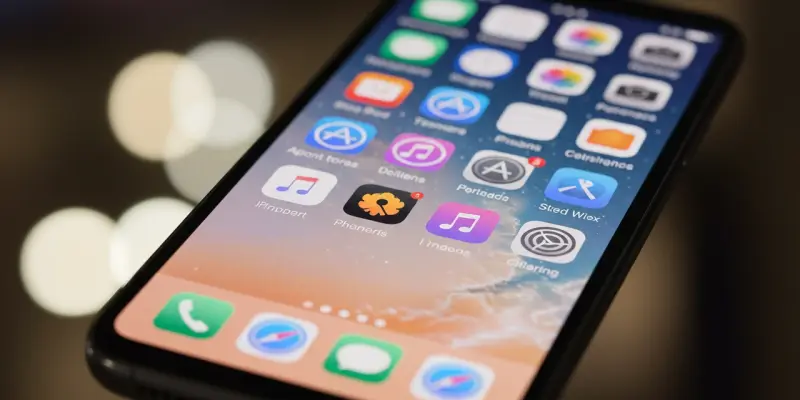
The success in adoption rates could largely be attributed to the array of new features introduced in iOS 18. One notable change is the new approach to app organization on the home screen, deviating from the traditional grid. Users are empowered with greater flexibility in arranging apps, allowing for more personalized aesthetics and functionality. Such changes in interface design undoubtedly contribute to the software’s broad acceptance, as users often desire fresh and intuitive customization options. The Photos app received a redesign that generated diverse opinions, reflecting varied user responses to modifications in long-standing functionalities. Innovations such as Genmoji, Image Playground, Writing Tools, and Visual Intelligence further enrich user experience and demonstrate Apple’s commitment to exploring cutting-edge technologies.
Yet, some anticipated features have encountered delays, such as Apple Intelligence-powered tools like AI-driven Siri. These delays highlight potential complexities in developing advanced technologies. The wait indicates understated challenges in rolling out full-scale implementations but does not overshadow the overall success Apple has achieved with its suite of enhancements. While adoption rates remain high, user experience extends beyond new features alone. The importance of staying up to date with the latest software is critical, particularly for obtaining crucial security and privacy updates. This ensures devices stay safeguarded against vulnerabilities, ultimately enhancing overall performance even if older devices face compatibility trade-offs.
Competitive Landscape and Strategic Outlook
In the competitive arena, Apple’s strategy of frequent updates and user engagement serves as an unspoken competitive advantage. While rivals like Samsung and Google are more transparent in providing specific support durations, Apple’s ability to maintain substantial user investment through regular updates continues to secure its position as a market leader. Other tech giants’ explicit long-term support may attract consumers seeking guaranteed device longevity, presenting an alternative to Apple’s implicit update frequency. Apple’s current strategy seems focused on integrating software enhancements seamlessly across its ecosystem, fostering sustained excellence in user experience and device longevity despite some innate challenges.
Looking ahead, there’s anticipation surrounding the next iteration of Apple’s software updates in the wake of the recently concluded developer conference. Expectations revolve around evolving Apple’s design language, potentially influenced by the rumored Vision Pro aesthetic. Future iterations of iOS could prioritize more sophisticated and sleek visual elements across devices, hinting at a broader trend towards integrated, visually consistent user interfaces. The absence of specific support window declarations may signify Apple’s desire to retain flexibility in its upgrade cycles, enabling the company to innovate without the constraints of predetermined timelines.
Conclusion and Future Projections
The adoption rates for iOS 18 reflect a significant approval among users ready to embrace Apple’s latest updates. Statistics reveal that 82% of eligible iPhones have upgraded to iOS 18, with a higher install rate of 88% among devices released in the past four years. iPadOS 18 also shows progress, with 71% of capable iPads adopting the new software, rising to 81% for newer models. These figures highlight Apple’s influence over its user base, showcasing its commitment to providing consistent software updates that improve functionality, security, and user experience. Such data emphasize Apple’s ability to engage users effectively, integrating new features, enhancing device lifespans, and boosting user satisfaction.
These metrics reveal broader trends, as Apple uses a robust approach to engage users with new versions. While it aims to extend device lifespans via updates, it has yet to declare how long Apple devices will receive these updates, unlike competitors such as Samsung and Google, who promise extended support lasting seven years, fostering consumer trust in long-term device care.