

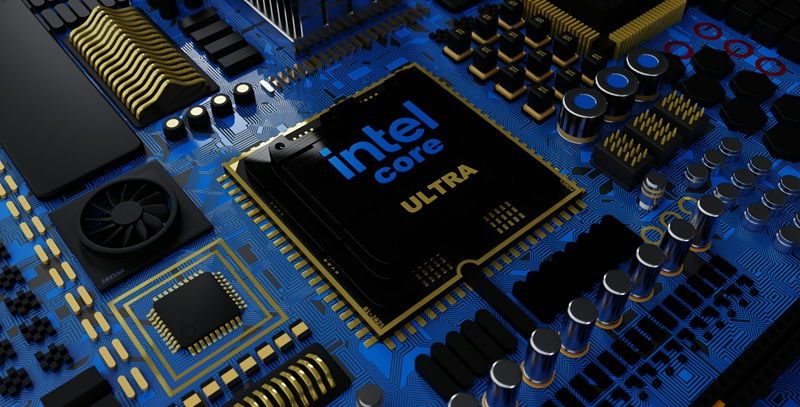
Intel has announced the launch of its next-generation Core Ultra processors under the code name Lunar Lake. These processors are set to redefine the performance and efficiency standards for thin-and-light laptops, promising remarkable improvements in AI capabilities, battery life, and graphics performance. This launch is perfectly timed to coincide with a wave of new product releases and sales events in the tech industry. By introducing these advanced processors now, Intel aims to capture significant market attention and pivotal sales opportunities, leveraging the surge in consumer interest that typically accompanies such industry events.
Elevating AI Performance to New Heights
The breakthrough AI capabilities of the Lunar Lake processors are among its standout features. Boasting up to four times faster AI processing than previous generations, this leap is achieved through a combination of enhanced CPU cores, a robust neural processing unit (NPU), and sophisticated software integration. These advancements are set to revolutionize tasks such as content creation, photo and video editing, and gaming, making them far more efficient and less time-consuming. With these processors, AI-driven applications can run more smoothly and efficiently, allowing users to engage in advanced workflows without experiencing significant slowdowns.
The substantial improvement in AI processing will benefit professionals who rely extensively on computational tasks, making their work more time-efficient and productive. Additionally, the enhanced AI performance will enable new capabilities in areas like natural language processing, real-time translation, and automated video production. Intel’s focus on AI also highlights a trend where technology increasingly serves as an enabler for creativity and productivity. Whether it’s using AI to automate mundane tasks or enhance the quality of creative endeavors, Lunar Lake processors are well-positioned to support the evolving needs of modern users. By integrating cutting-edge AI capabilities, these processors stand ready to transform everyday computing experiences and elevate professional tasks to new levels of efficiency and innovation.
Unprecedented Power Efficiency
Power efficiency is another critical advancement that the Lunar Lake processors bring to the table. Intel positions these CPUs as the most power-efficient x86 processors they have ever produced, promising up to 20 hours of battery life during productivity tasks. This is a significant achievement aimed at meeting the demands of professionals and students who need reliable and long-lasting battery performance on the go.
The processors achieve this power efficiency through a combination of hardware and software optimizations that ensure minimal battery drain without compromising on performance. This means users can work longer between charges, increasing productivity and reducing the hassle of frequent recharging. For remote workers and students, having a laptop that can last throughout the day without needing a recharge can be a game-changer, allowing them to focus more on their tasks and less on finding a power outlet.
This focus on power efficiency also aligns with broader consumer trends that prioritize battery life and energy conservation in portable devices. As more individuals gravitate towards remote work and digital nomad lifestyles, the demand for devices with extended battery life continues to grow. Intel’s Lunar Lake processors meet this demand head-on, offering a compelling combination of performance and efficiency that is well-suited to the needs of the modern mobile user.
Superior Graphics Performance
Intel’s Lunar Lake processors bring substantial improvements in graphics capabilities, making them a go-to choice for gamers and creative professionals alike. Featuring the new Xe2 graphics architecture, these processors deliver around a 30% boost in mobile graphics performance. This enhancement is designed to cater to users who demand high performance for gaming, video editing, and 3D rendering, providing a richer and more immersive user experience.
The integrated Intel Arc GPU comes equipped with up to eight new 2nd Gen Xe cores, enhanced ray tracing capabilities, and support for multiple high-resolution displays. These features enable better gameplay smoothness and more efficient processing for graphically intensive applications, unlocking new possibilities for creativity and entertainment. In a world where digital content creation and gaming are becoming increasingly mainstream, the enhanced graphics performance of the Lunar Lake processors can significantly impact how users interact with their devices.
For gamers, these advancements mean more fluid gameplay, better visual fidelity, and an overall more enjoyable gaming experience. Creative professionals, on the other hand, will benefit from faster rendering times, smoother video editing, and the ability to handle larger and more complex projects with ease. This development positions Intel to better compete with other companies in the high-performance graphics sector, solidifying its reputation as a leader in cutting-edge processor technology.
Broad Compatibility and Market Availability
Lunar Lake processors will feature in over 80 laptop designs from significant manufacturers, offering a wide selection for users based on their needs and budgets. Consumers can pre-order these laptops on major retail platforms like Amazon, Croma, Flipkart, Reliance Digital, and Vijay Sales, with general availability starting on September 24th. This broad compatibility ensures that a wide range of consumers, from budget-conscious customers to high-end users, can benefit from the advanced features of the Lunar Lake processors.
This strategy of partnering with major retailers and manufacturers highlights Intel’s approach to reaching a diverse market and catering to various user requirements and preferences. By ensuring that Lunar Lake processors are available in a myriad of laptop designs, Intel provides consumers with numerous options to choose from, enhancing their ability to find a device that perfectly fits their needs. This broad market availability is likely to attract a large user base looking for state-of-the-art technology features in their devices.
Moreover, by making these processors accessible through well-known retail platforms, Intel is positioning itself to gain substantial market traction. This strategic approach is expected to increase adoption rates and establish Lunar Lake processors as the go-to choice for users seeking the latest advancements in processor technology.
Addressing the Evolving Needs of Modern Users
Intel has introduced its cutting-edge Core Ultra processors, codenamed Lunar Lake, setting new benchmarks for thin-and-light laptops in terms of performance and efficiency. These next-generation processors come with significant enhancements in artificial intelligence capabilities, extended battery life, and superior graphics performance. The timing of this launch is strategic, aligning perfectly with a series of upcoming product releases and sales events in the tech industry. By rolling out these advanced processors now, Intel aims to attract substantial market attention and capitalize on key sales opportunities. The company anticipates a surge in consumer interest typically seen during major industry events, positioning its new Core Ultra processors to be at the forefront of this excitement.
In addition to improved performance, the new processors are designed with advanced AI features that promise to accelerate tasks like image and speech recognition, making everyday computing tasks more efficient. This innovation is particularly beneficial for users who rely on their laptops for multitasking and demanding applications. Moreover, the enhanced graphics performance ensures an immersive experience for gaming and media consumption, while the extended battery life means users can stay productive for longer periods without needing to recharge.
Overall, Intel’s launch of the Core Ultra processors represents a significant milestone in laptop technology, aiming to meet the evolving needs of consumers seeking both power and portability in their devices.