

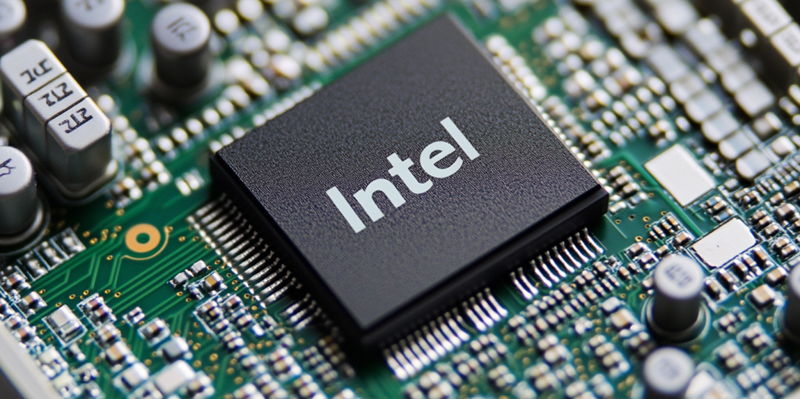
The tech world is abuzz with anticipation as Intel prepares to unveil its latest hardware innovations at the upcoming Partner Alliance BaseCamp event on October 29, 2024. With a strong focus on next-generation processors and GPUs, Intel aims to make significant strides in the competitive landscape of CPUs, GPUs, and AI accelerators. This article delves into the key aspects of these anticipated releases and their potential impact on the market.
Core Ultra Series 2 Mobile CPUs: A Leap in Performance
Advancements in Mobile and Desktop Platforms
Intel’s new Core Ultra Series 2 mobile CPUs are expected to offer substantial performance improvements for both mobile and desktop platforms. Building on the success of the previous generation, the Core Ultra 200S lineup, set to launch on October 24, 2024, promises enhanced efficiency and power. These CPUs are designed to meet the increasing demands of modern computing, catering to both professional and gaming segments. The significant upgrade in performance and efficiency is poised to set a new benchmark in the industry, especially for users seeking high-speed processing and multitasking capabilities.
Enhanced Efficiency and Power
One of the most anticipated features of the Core Ultra Series 2 CPUs is their enhanced efficiency. This new lineup is expected to leverage advanced architecture and manufacturing processes to deliver better performance-per-watt, making them ideal for high-performance laptops and desktops. The increased power efficiency also means longer battery life for laptops, which is a crucial factor for mobile users. The enhanced efficiency comes from a combination of smaller manufacturing nodes and innovative design, which collectively reduce heat production and power consumption without sacrificing performance.
Targeting Both Professional and Gaming Segments
The Core Ultra Series 2 CPUs are strategically positioned to cater to both professional and gaming markets. For professionals, these processors promise improved multitasking capabilities and faster data processing, essential for tasks such as video editing and 3D modeling. Gamers can look forward to smoother gameplay experiences, reduced latency, and better overall performance, making these CPUs a significant upgrade for gaming rigs. This dual-target strategy showcases Intel’s intent to provide versatile solutions capable of handling a broad spectrum of computing needs, ensuring wide adoption across different user groups.
Arc Battlemage GPUs: The Next-Gen Gaming Powerhouse
Introduction to the Xe2 Architecture
The Arc Battlemage GPUs are Intel’s next significant leap in the discrete gaming GPU market, based on the new Xe2 architecture. This architecture promises major improvements in graphics performance, aiming to challenge the dominance of NVIDIA and AMD. These GPUs are set to bring advancements in rendering techniques, shader technologies, and overall graphical fidelity. The Xe2 architecture incorporates sophisticated algorithms and hardware optimizations, facilitating real-time ray tracing and superior visual effects, which are critical for modern gaming and content creation applications.
Enhancing Competitive Stance in Gaming Market
With the launch of the Arc Battlemage GPUs, Intel is looking to solidify its position in the competitive gaming market. These GPUs are expected to offer significant performance gains over the previous generation, making them a formidable competitor against existing market leaders. Intel’s focus on improving gaming experiences aligns with the growing demand for high-performance graphics cards in the gaming community. The Arc Battlemage lineup is likely to support new gaming standards and APIs, enabling developers to create richer and more immersive gaming environments, thus attracting a broad audience of gamers and creators.
Key Features and Expected Impact
The Arc Battlemage GPUs will likely introduce key features such as real-time ray tracing, higher frame rates, and enhanced visual effects. These improvements are expected to attract not only gaming enthusiasts but also professional content creators who require powerful graphics solutions. The anticipated launch by the end of 2024 positions Intel to capture a significant market share during the crucial holiday season. The combination of cutting-edge features and market timing is expected to translate into robust sales, positioning Intel as a strong contender in the GPU market as it seeks to expand its influence and footprint.
Gaudi 3 AI Accelerator: Cost-Effective AI Solutions
Focus on Performance-to-Cost Ratios
Intel’s Gaudi 3 AI accelerators represent a strategic shift towards more cost-effective AI solutions. These accelerators promise better performance-per-dollar compared to competitors, an essential factor for companies integrating AI technologies into their operations. This focus on affordability without compromising on performance is expected to open new opportunities for Intel in the AI market. By making advanced AI capabilities more accessible, Intel aims to democratize AI adoption, allowing a wider range of businesses to leverage machine learning and data analytics for various applications, thereby driving innovation across sectors.
Promising Better Performance and Accessibility
The Gaudi 3 AI accelerators are designed to provide robust AI capabilities while maintaining cost efficiency. This makes them an attractive option for a range of applications, from data centers to edge computing environments. By offering accessible AI solutions, Intel aims to democratize AI technology, enabling more businesses to leverage advanced AI capabilities without hefty investments. These accelerators are expected to support a diverse set of AI workloads, from natural language processing to image recognition, providing versatile solutions that cater to emerging AI demands in various industries.
Strategic Impact on AI Market
Intel’s introduction of the Gaudi 3 AI accelerators is poised to shake up the AI market. By focusing on cost-effective performance, Intel differentiates itself from competitors that prioritize high-end, expensive AI solutions. This strategy could significantly broaden Intel’s customer base, attracting small to medium-sized enterprises that are keen to adopt AI technologies. The Gaudi 3’s balance of performance and affordability is likely to reshape market dynamics, positioning Intel as a leader in delivering accessible AI solutions, thus fostering a new wave of AI-driven innovation and digital transformation.
Intel’s Broader Market Strategy
Competing in Diverse Technology Segments
Intel’s upcoming event underscores its commitment to competing across diverse technology segments, from CPUs and GPUs to AI accelerators. This multifaceted approach aims to capture a broader market share by addressing the needs of different user groups, including gamers, professionals, and businesses. By continually innovating and expanding its product lineup, Intel is positioning itself as a versatile technology leader. This holistic strategy reflects Intel’s understanding of the converging technological landscape, where the seamless integration of computing power, graphics capabilities, and AI is becoming increasingly critical.
Addressing Market Needs and Trends
Understanding and addressing the evolving needs and trends in the technology market is central to Intel’s strategy. The increasing demand for powerful, efficient computing solutions, both in consumer and professional settings, drives Intel’s product developments. The emphasis on AI technologies further reflects the growing importance of AI across various sectors, from finance to healthcare. Intel’s forward-looking approach ensures that its innovations remain relevant and impactful, catering to the burgeoning requirements for speed, efficiency, and intelligent computing, thus cementing its position as an industry pioneer.
Anticipation for Future Developments
The tech industry is buzzing with excitement as Intel gets ready to reveal its newest hardware advancements at the upcoming Partner Alliance BaseCamp event on October 29, 2024. With an emphasis on groundbreaking processors and graphics processing units (GPUs), Intel plans to make significant advancements in the highly competitive arenas of CPUs, GPUs, and AI accelerators. This article explores the critical elements of these eagerly awaited new products and their potential influence on the market.
Central to Intel’s showcase will be its next-generation processors, which promise enhanced performance, better energy efficiency, and superior multitasking capabilities. These advancements are expected to cater to both everyday users and hardcore professionals who rely on powerful computing. Alongside the new processors, Intel’s latest GPUs are anticipated to boost gaming experiences with improved graphics, higher frame rates, and faster rendering times. These GPUs are likely to attract gamers and digital artists who require top-tier visual performance.
Moreover, Intel’s advancements in AI accelerators could revolutionize machine learning applications and data analysis tasks. These AI chips aim to provide faster processing times and greater accuracy, pushing the boundaries of what’s possible in artificial intelligence. Collectively, these innovations indicate Intel’s commitment to leading in technology and enhancing user experiences across various computing needs, setting new standards for their competitors.