

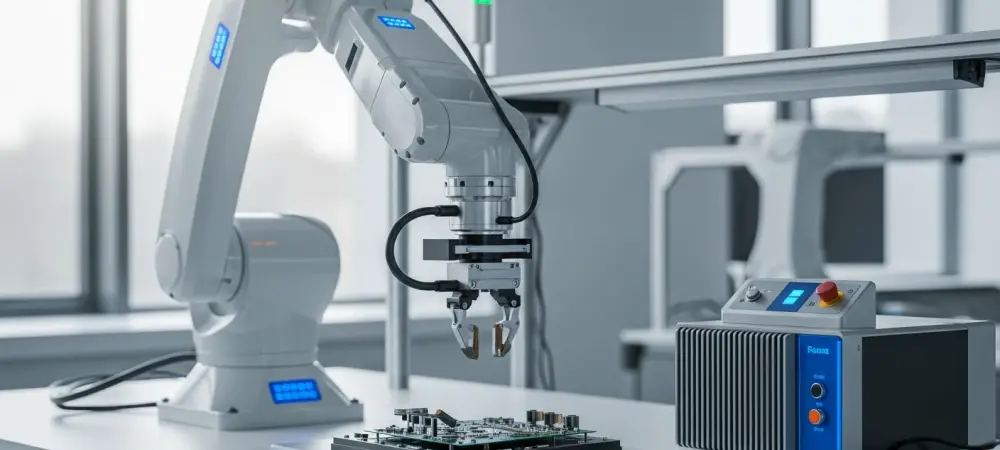
The sudden convergence of high-performance silicon and mechanical systems is fundamentally altering the way industries perceive the viability of fully autonomous mobile robots in uncontrolled public environments. Intel is making a high-stakes return to the robotics sector, positioning itself at the forefront of the physical AI movement. This strategic reentry focuses on the concept of edge AI, where complex computing tasks are handled locally on the machine rather than being sent to distant cloud servers. By prioritizing local processing, the tech giant aims to provide robots with the near-instantaneous response times and high levels of autonomy required for real-world interaction.
The Dawn of Physical AI and the Shift to the Edge
Intel’s hardware innovations are designed to bridge the gap between digital intelligence and physical execution, setting a new standard for how machines navigate and understand their environments. The shift toward edge computing represents a departure from the cloud-centric models that dominated the previous decade. By moving intelligence to the device itself, developers can eliminate the latency issues that often hinder robotic safety and responsiveness in dynamic settings.
The current market landscape demands machines that can think and act without being tethered to a constant internet connection. This requirement is particularly vital for robots operating in remote industrial sites or crowded service environments where connectivity is often unreliable. Consequently, the focus has shifted from simple remote-controlled tools to truly independent agents capable of interpreting sensory data in real-time.
Navigating Corporate Restructuring and the Return to Automation
The decision to reengage with the robotics market follows a period of significant corporate restructuring. In previous years, the company stepped back from several specialized hardware ventures to streamline operations and focus on the core processor business. However, as the demand for autonomous systems surged, leadership identified a lucrative opportunity to apply manufacturing prowess to the industrial and service sectors. This historical pivot is significant because it represents a shift in strategy—moving away from general-purpose computing toward specialized, high-growth applications at the edge. Understanding this background is crucial for grasping why the company is now betting heavily on the convergence of silicon efficiency and mechanical autonomy. The transition reflects a broader industry trend where specialized silicon is becoming the primary differentiator in the robotics supply chain.
Engineering the Next Generation of Autonomous Machines
Consolidating Power and Performance With Core Ultra Silicon
At the heart of this reentry is the Core Ultra Series 3 processor. Originally developed for high-end laptops, these chips have been re-engineered to meet the rigorous power-efficiency demands of mobile robotics. Modern robots rely on batteries, making energy consumption a critical bottleneck for performance. The breakthrough lies in the ability to integrate real-time controls, computer vision, and graphics processing onto a single piece of silicon. Unlike older systems that required multiple, power-hungry components to communicate with each other, this System on a Chip architecture reduces latency and significantly extends operational life.
Multi-Agent Logic in Action: The Case of the Robotic Barista
The practical benefits of this hardware integration are best illustrated by the Ella robotic barista, developed by Crown Digital. Using a single processor, Ella manages three distinct AI agents simultaneously. One agent handles customer interaction, another oversees the precision mechanics of brewing coffee, and a third guardian agent monitors the system for errors. This multi-layered reasoning allows the robot to perform complex service tasks without relying on external servers. By consolidating these functions, Intel demonstrates that modern chips can handle sophisticated, real-time decision-making that was previously thought to require massive data center support.
Overcoming Data Scarcity and Navigating the Physical World
Despite these hardware advancements, the robotics industry faces deep-seated complexities, particularly regarding world models. Unlike digital AI, which learns from text and images on the internet, physical AI requires vast amounts of real-world data to understand how objects move and react. There is a common misunderstanding that simply making a chip faster will make a robot smarter; in reality, the lack of diverse training data remains a significant hurdle. Intel is currently working with partners on over 130 different designs to gather the insights needed to move robots beyond simple, repetitive motions toward true, error-correcting autonomy.
Looking Forward: The Transition From Repetition to Reasoning
The future of robotics is shifting from pre-programmed repetition to dynamic reasoning. Emerging trends suggest that the next generation of machines will be defined by their ability to identify, analyze, and fix mistakes in real-time without human intervention. As regulatory frameworks around AI and automation begin to take shape, the focus on localized processing provides a distinct advantage in terms of data privacy and reliability. Industry projections indicate that as physical AI matures, the economic impact will be felt across manufacturing, healthcare, and logistics. Robots will need to function as independent, intelligent coworkers rather than just tools. This evolution will likely lead to a surge in demand for specialized edge processors that can handle increasingly complex neural networks while maintaining a small thermal footprint.
Strategic Recommendations for Navigating the Edge AI Landscape
For businesses and developers looking to capitalize on this shift, the priority should be on hardware consolidation. Adopting architectures like the Core Ultra series can reduce the complexity and cost of building autonomous systems. Professionals should also focus on developing robust local error-recovery protocols—similar to the guardian agent in the Ella system—to ensure safety and reliability in public-facing roles.
Furthermore, companies should begin investing in proprietary data collection to build the specific world models required for their unique industrial applications. Localized intelligence is only as effective as the data that informs it. Organizations that prioritize the creation of diverse, high-fidelity physical datasets will likely gain a competitive edge in the rapidly expanding automation market.
Final Thoughts: Localized Processing as the Foundation of Robotics
Intel’s return to the robotics market marked a pivotal moment in the evolution of artificial intelligence. By moving processing power from the cloud to the edge, the company provided the foundational technology necessary for machines to operate safely and efficiently in the physical world. While challenges like data scarcity and environmental modeling persisted, the integration of multi-agent AI into a single chip represented a major leap forward. As the era of physical AI progressed, the ability to process information locally became the defining factor in whether robots could truly navigate the complexities of everyday life. This transition effectively turned specialized silicon into the cornerstone of modern industrial and service automation.