

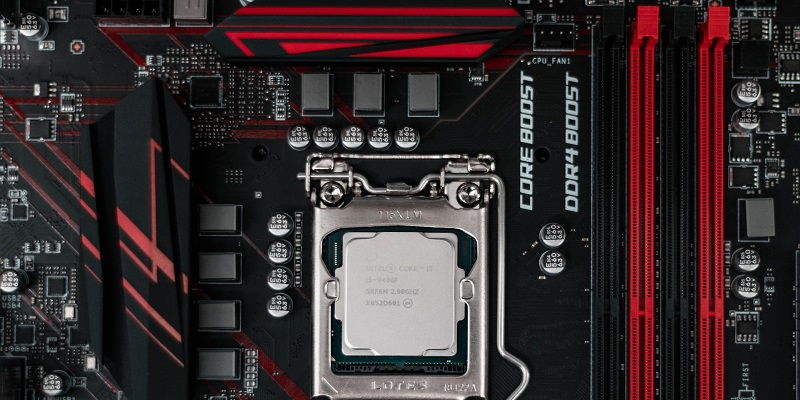
The highly anticipated Intel Core i7-14700K processor has recently been leaked, showcasing impressive performance improvements over its predecessor, the Core i7-13700K. These leaked benchmarks provide an exciting glimpse into the capabilities of Intel’s next-generation processor.
Benchmark Details
The leaked benchmarks were posted by Bilibili’s content creator, 捡七七的小垃圾, who gave us an insight into the performance of the Core i7-14700K. The testing was conducted using an MSI PRO Z690-A DDR4 motherboard, accompanied by a 360mm AIO cooler and 16 GB of DDR4-4000 memory. This hardware configuration ensured optimal performance and reliability during testing.
Specifications of Intel Core i7-14700K
The Intel Core i7-14700K features an impressive 8+12 core configuration, delivering a total of 20 cores and 28 threads. This increase in core count promises a substantial boost in multitasking capabilities, making it an attractive choice for power users and content creators. Additionally, the processor boasts 33 MB of smart cache, a notable improvement compared to its predecessor’s 30 MB cache. Clock speeds range from 3.4 GHz at the base to an impressive 5.6 GHz with Turbo Boost Max Technology 3.0 (TBMT3).
Performance Analysis
The AIDA64 performance results for the Core i7-14700K provide an insightful perspective, especially in regards to DDR4 memory utilization. The processor demonstrated outstanding performance when coupled with DDR4 memory, showcasing its ability to handle demanding tasks efficiently.
Moving on to the Cinebench R23 benchmark, the Core i7-14700K exhibited a remarkable performance boost of up to 16.96% compared to the previous generation. The most significant advancements were observed in multi-threaded benchmarks, due to the improved core configuration. This performance leap signifies a tangible improvement in heavily threaded workloads, such as video editing, 3D rendering, and computational tasks.
Gaming Performance
Not only does the Core i7-14700K excel in CPU-intensive tasks, but it also impresses in the gaming arena. The processor outperformed its predecessor, the Core i7-13700K, in most gaming scenarios. However, there were a few instances where the new processor slightly underperformed. It is essential to note that these benchmarks are based on engineering sample clock speeds, and the final version is expected to offer even better gaming performance.
While these leaked benchmarks provide valuable insights into the capabilities of the upcoming Intel Core i7-14700K processor, it is crucial to remember that they are preliminary results based on engineering sample clock speeds. As such, we can expect the final version of the processor to provide even better performance.
The Core i7-14700K promises to be an excellent choice for enthusiasts, gamers, and professionals seeking a high-performance processor. With its increased core count, larger smart cache, and impressive clock speeds, it sets the stage for an exciting leap forward in processor technology. As we eagerly await its official release, the benchmarks have only heightened our anticipation for what the Intel Core i7-14700K has in store for us.