

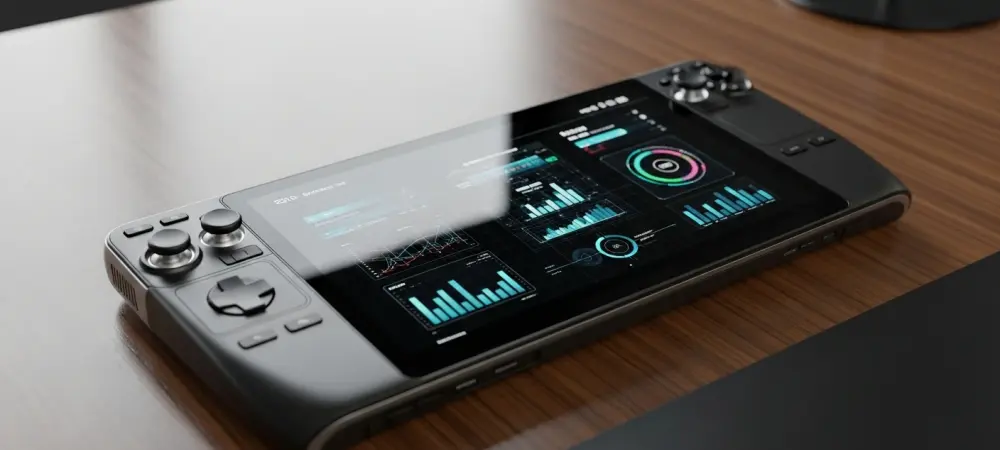
The landscape of mobile gaming has undergone a radical transformation as the latest flagship handheld PCs at Computex demonstrate that desktop-level power no longer fits within a modest budget. As hardware manufacturers reveal their latest silicon and industrial designs, a clear trend has emerged: the era of the affordable handheld is being replaced by a premium, enthusiast-driven market. This shift is not merely a result of inflation but a fundamental change in how these devices are positioned within the broader technology ecosystem. With price tags now rivaling those of high-end gaming laptops, the value proposition has shifted from gaming on a budget toward uncompromising performance in the palm of your hand.
The Dawn of the Thousand-Dollar Handheld
While early handheld PCs were marketed as affordable alternatives to home consoles, the latest industry updates have signaled a definitive end to the budget-friendly era. Manufacturers are no longer competing to see who can offer the lowest price point for entry-level gaming; instead, they are engaged in a race to determine who can pack the most advanced technology into a portable chassis. This pivot reflects a maturation of the market where the average consumer is no longer the primary target, but rather the enthusiast who is willing to pay for a premium experience.
The promise of desktop-class performance in a pocket-sized device comes with a retail price that often exceeds a thousand dollars, creating a significant barrier to entry. This transition is fueled by the realization that high-fidelity gaming requires components that are simply not available at lower price tiers. By focusing on the enthusiast segment, companies can justify the inclusion of cutting-edge silicon and luxury materials, even if it means moving away from the mass-market appeal that characterized the early days of the industry. The industry is effectively leaving the “good enough” category behind in favor of a specialized, premium tier of mobile computing.
From Budget Alternatives to High-Fidelity Powerhouses
The portable computing landscape has reached a pivotal juncture as manufacturers move away from basic performance toward high-fidelity ecosystems. For years, the market relied on a delicate balance of efficiency and cost, but the emergence of AI-ready hardware has fundamentally shifted consumer expectations for what a handheld can achieve. This trend is driven by a collective industry push to transform handhelds from niche accessories into primary gaming machines, making them essential for users who refuse to compromise on visual fidelity or processing speed while on the move.
As these devices become more powerful, they are increasingly being viewed as replacements for traditional desktops rather than just secondary consoles for travel. The move toward high-fidelity ecosystems means that software developers are now optimizing titles specifically for these handheld screens, ensuring that the experience is seamless and immersive. This transformation has turned the handheld market into a battleground for innovation, where the latest technological advancements are integrated almost as soon as they are announced by chipmakers. The focus is no longer on making games playable, but on making them indistinguishable from their desktop counterparts.
The Technical Engine: Intel Panther Lake and AI Integration
The primary driver of the current price surge is the arrival of Intel’s Panther Lake architecture, specifically the Arc G3 Extreme processor which sets a new benchmark for mobile power. This 14-core, 14-thread silicon provides a 44% performance leap over previous generations, effectively resetting the performance ceiling for what was once considered mobile gaming. Such hardware specifications allow for a level of detail and frame rate stability that was previously unattainable, but these gains require significant power draws and expensive cooling solutions to remain functional. Despite a 42% advantage over rival AMD chips, this performance paradox means that the physical size and cost of the devices must increase to manage the heat generated by the G3 Extreme chip. Furthermore, the integration of Neural Processing Units (NPUs) for XeSS 3 upscaling and intelligent battery management has added a tech tax to the latest devices, inflating the final retail price. New industry standards now mandate 144Hz OLED panels, Variable Refresh Rate support, and massive 85 Wh batteries to keep up with the rigorous demands of this high-end silicon. The cost of maintaining these thermal and power profiles is a major contributor to the rising price of the modern handheld.
Market Leaders and the Move Toward Luxury Bundles
The hardware showcased by major manufacturers highlights a move toward specialized, high-cost gaming experiences rather than general-purpose devices. The MSI Claw 8 EX AI+ focuses on the synergy between Intel silicon and a new Xbox Mode for Windows 11, targeting improved ergonomics while carrying a steep $1,500 price tag. In contrast, the OneXPlayer 3 positions itself as a 3-in-1 powerhouse featuring an 8.8-inch OLED screen designed to bridge the gap between gaming and professional AI productivity for those who need a versatile workstation that fits in a backpack.
Other manufacturers are pushing the boundaries of luxury by bundling accessories that redefine the portable experience, such as the Asus ROG Xbox Ally X20. This device pushes the price to $2,000 by including immersive AR gaming glasses and high-brightness displays that offer a unique visual perspective. Meanwhile, the Acer Predator Atlas 8 prioritizes tactile customization with adjustable triggers and a controller-centric design, though its market position remains vulnerable to the ongoing global RAM supply crisis. Each of these devices represents a different philosophy on how to justify a premium price point by offering features that extend far beyond simple button-mashing.
Navigating the Premium Landscape: A Guide for Potential Buyers
As the baseline price for flagship handhelds moved toward $1,000, consumers adopted a more strategic approach to purchasing portable hardware. It became essential to determine if the performance jump of the Arc G3 Extreme was necessary for a specific library or if previous-generation hardware sufficed for most titles. Prospective owners evaluated display technology with great care, deciding if the benefits of perfect blacks and HDR in OLED panels justified the significant premium over older LCD models. This discernment prevented overspending on features that did not align with individual gaming habits.
Investors and tech analysts also advised monitoring supply chain trends, as the global RAM shortage continued to inflate retail prices beyond initial manufacturer estimates. Decisions were often based on whether the integrated NPU actually improved battery life through software like XeSS 3 or acted merely as a marketing buzzword. Ultimately, successful buyers factored in the entire ecosystem, including specialized bundles like AR glasses, to ensure long-term value for their specific playstyles. This shift toward careful, data-driven purchasing helped stabilize expectations as the industry embraced its new role as a high-end technology sector. Owners prioritized longevity and build quality over the rapid upgrade cycles that previously defined the market.