

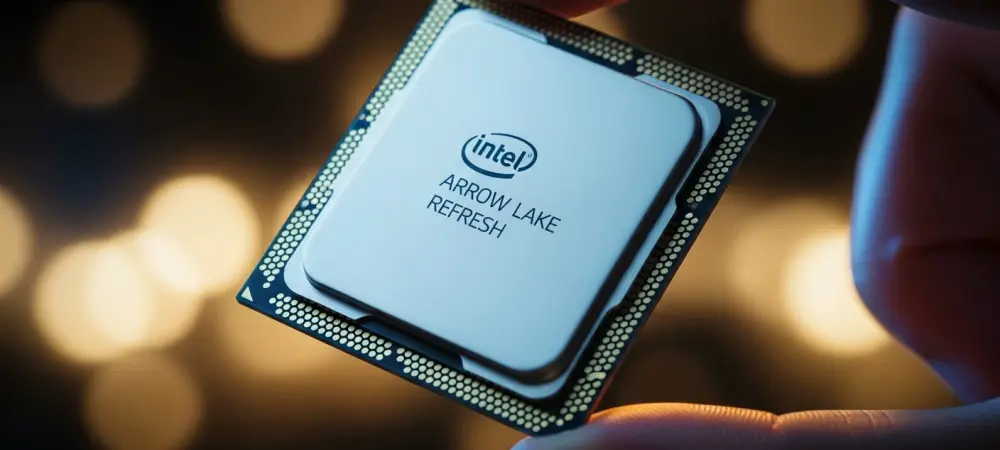
The delicate balance of the PC hardware market has been thrown into disarray as retail prices for Intel’s latest processors climb significantly higher than the figures originally promised during their debut. While these chips were meant to offer a refuge for builders seeking performance without the “enthusiast tax,” the current reality at checkout tells a different story. This roundup explores the shifting economic landscape for the Core Ultra series and whether these parts remain a viable choice as we move deeper into the current hardware cycle.
Understanding the Market Shift Following the Arrow Lake Refresh Launch
The recent debut of Intel’s Arrow Lake Refresh lineup was initially met with enthusiasm, as the Core Ultra 5 and 7 variants promised a refined balance of efficiency and raw speed. These processors were positioned as the go-to solution for mid-range builders looking to maximize their investment without venturing into enthusiast-tier pricing. However, the honeymoon phase for budget-conscious gamers has been short-lived, as the reality of retail markups begins to set in.
Market analysts have observed that while the technical achievements of the architecture remain impressive, the financial entry point has moved. This shift forces a conversation about the sustainability of MSRP in an era where retail demand often outstrips initial supply projections. Consequently, the value proposition is no longer a static number but a moving target that depends heavily on the timing of a purchase.
Analyzing the Financial Friction and Market Dynamics
Tracking the Discrepancy Between MSRP and Real-World Retail Pricing
The most visible challenge for consumers is the sudden “launch tax” appearing at major retailers like Newegg and Microcenter. While Intel set competitive MSRPs for the Core Ultra 5 250KF Plus and Core Ultra 7 270K Plus, shelf prices have surged by $15 to $50 almost immediately. For instance, the 270K Plus has seen its price tag climb from a projected $300 to $350 in several regions, frustrating those who planned their builds months in advance.
Retailers often adjust pricing based on real-time inventory levels, leading to a disconnect between corporate marketing and the consumer experience. This deviation creates a dilemma for builders who budgeted based on official launch data, forcing a re-evaluation of the performance-per-dollar metric. When a mid-range chip approaches the price of a higher-tier predecessor, the incentive to upgrade begins to fluctuate based on regional availability.
Supply Chain Constraints: The Global Component Pricing Ripple Effect
The upward pricing trend is not an isolated incident but rather a symptom of broader industrial pressures. Intel’s leadership has pointed toward rising input costs and lingering supply constraints as primary catalysts for the current market volatility. This shift is mirrored by competitor AMD, which has signaled its own price adjustments for partners, indicating that the era of aggressive price wars might be giving way to a more defensive, margin-focused strategy.
Logistical hurdles continue to impact how silicon is distributed, adding overhead that eventually trickles down to the end user. When both major players in the CPU space face similar economic headwinds, it suggests a systemic change in how hardware is priced. Instead of pure competition driving costs down, manufacturing overhead and the scarcity of specialized components have become the dominant forces in determining the final sticker price.
The Looming Shadow of Nova Lake: High-End Architecture Disruptions
While the Arrow Lake Refresh holds the middle ground, Intel’s roadmap reveals a looming disruption in the form of the Nova Lake architecture. Slated for release later this year, these upcoming flagship chips are designed to take a direct shot at rival high-end series by implementing massive L3 cache sizes and core counts that could reach up to 52 cores. This creates a strategic crossroads for anyone currently looking at the retail market.
Buyers must decide whether to pay a premium for a Refresh chip today or wait for a generational leap that could redefine the high-end gaming and overclocking landscape. The proximity of such a significant architectural shift often causes current-gen prices to behave erratically. If Nova Lake delivers on its promises of extreme core density, the “Refresh” parts may see a price correction, though waiting carries the risk of continued supply instability.
Comparative Value Strategy: Arrow Lake Refresh vs. Legacy Hardware
Despite the price hikes, tech analysts maintain that the Arrow Lake Refresh remains a superior value proposition compared to aging 12th or 13th-generation hardware. When evaluating the total cost of ownership, the efficiency improvements of the new architecture often offset a $50 premium through lower power consumption and better compatibility with modern platform features. These chips offer a modern instruction set that legacy silicon simply cannot match.
By analyzing regional pricing trends and secondary market availability, it becomes clear that while the MSRP dream has faded, the Refresh lineup still occupies a vital niche. For those moving from platforms that are several years old, the jump in IPC and multi-threaded performance justifies the markup. The difficulty lies in the comparison to the previous year’s flagships, which are often discounted to clear inventory, creating a crowded and confusing marketplace.
Strategic Advice for PC Builders Navigating the Launch Tax
The most impactful takeaway for consumers is the necessity of flexible budgeting in the current hardware climate. To navigate these price increases effectively, builders should prioritize total platform value rather than focusing solely on the CPU sticker price. This involves looking for motherboard bundles that may offset the processor markup or opting for the 250KF variants if integrated graphics are not a requirement for their specific workflow.
Furthermore, looking toward secondary components like memory and storage can provide the “budget breathing room” needed to absorb a $50 hike. For those currently on recent hardware, the recommendation was to exercise patience and monitor price trackers. However, those on significantly older platforms found the Arrow Lake Refresh to be a transformative upgrade that simplified their build process, even if the final invoice was slightly higher than anticipated.
Balancing Current Performance Needs Against Future Technological Leaps
The rise of Intel’s Arrow Lake Refresh prices above MSRP served as a reminder of the inherent instability in the modern semiconductor market. While the launch tax was a frustrating hurdle for many, the underlying performance of these chips continued to hold weight in the mid-range segment throughout the season. The arrival of Nova Lake likely shifted the market once again, which eventually stabilized current-gen prices for those who waited for the initial hype to subside.
Moving forward, the focus for enthusiasts should shift toward verifying if their specific software benefits more from the high core counts of upcoming architectures or the refined efficiency of existing Refresh models. Securely locking in a stable, high-performing mid-range build remained a viable path, provided users accounted for the shifting economic landscape. In the end, the most successful builders were those who adapted their expectations to the reality of the retail shelf rather than the ideals of a press release.