

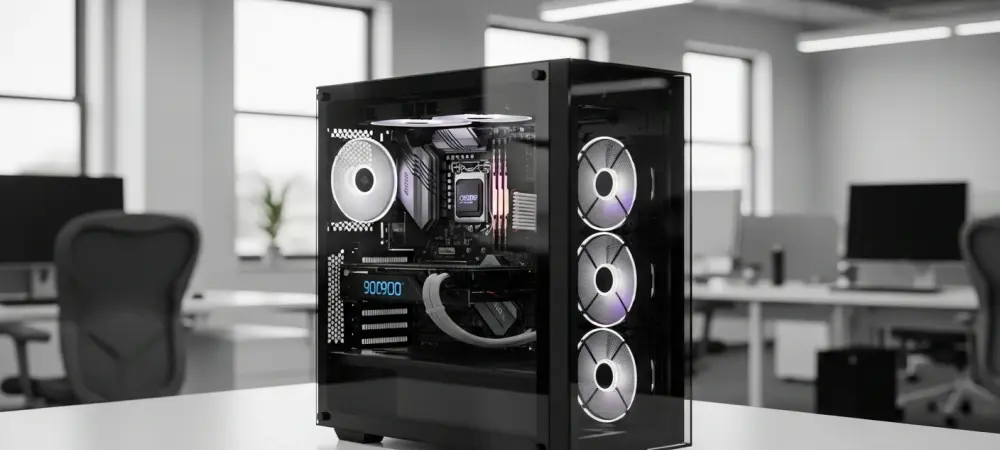
The rapid evolution of high-performance computing has pushed data throughput requirements to unprecedented levels, forcing hardware architects to rethink the fundamental design of desktop motherboard ecosystems. Intel’s upcoming 900-series chipsets, headlined by the flagship Z990 and the mid-tier Z970, represent a decisive pivot toward a landscape where bandwidth remains the primary currency of system performance. Engineered to support the highly anticipated Nova Lake-S processors through the new LGA 1954 socket, these chipsets prioritize PCIe Gen5 connectivity across nearly every critical interface. This strategic shift suggests that Intel is willing to trade legacy compatibility and extreme energy efficiency for the sheer speed needed to feed next-generation storage solutions and graphics accelerators. As the industry moves away from older standards, the 900-series aims to establish a new baseline for enthusiast-grade hardware, ensuring that bottlenecking becomes a thing of the past for power users who demand the absolute best in modern silicon capability.
Physical Design and Silicon Efficiency
The Z990 chipset features a physical footprint that is significantly smaller than its predecessor, the Z890, marking a triumph in semiconductor miniaturization for the desktop market. By reducing the overall die area by more than 20 percent, Intel has successfully packed more advanced transistors into a tighter space, which directly translates to shorter signal paths and reduced latency. This miniaturization is not merely an exercise in manufacturing efficiency but reflects a fundamental change in the chipset’s architecture. Instead of maintaining a large array of older PCIe Gen4 lanes, the engineers focused on maximizing the density of Gen5-capable lanes and high-speed interconnects. This reduction in physical size allows motherboard manufacturers to reclaim valuable PCB real estate for improved power delivery components or more elaborate audio solutions. The streamlined silicon design ensures that every square millimeter of the chip contributes to the high-performance demands of modern computing.
By cleaning up the internal silicon layout, designers have effectively optimized the 900-series specifically for the latest NVMe storage protocols and high-bandwidth graphics interfaces. The removal of redundant circuitry that previously handled slower legacy connections has freed up thermal and electrical headroom, which is now dedicated to maintaining stable signal integrity at Gen5 speeds. This lean approach to silicon design demonstrates a clear commitment to the cutting edge, where the chipset acts less like a hub and more like a high-speed data switch. Furthermore, the increased efficiency of the internal routing means that the Z990 can handle massive bursts of data from multiple sources simultaneously without the congestion seen in older generations. This shift underscores a broader trend in the industry where specialized high-speed silicon is prioritized over broad compatibility. Consequently, the smaller die size serves as a physical manifestation of a focused, performance-first design philosophy.
Strategic Implementation and Future Considerations
The deployment of these new motherboards occurred alongside the debut of the Nova Lake desktop processors at major global technology exhibitions, where the focus shifted toward a standardized high-bandwidth ecosystem. Early adopters found that the transition necessitated an upgrade to more advanced thermal management solutions, yet the performance gains in data transfer speeds justified the additional complexity. The removal of legacy USB support signaled a broader industry movement that encouraged peripheral manufacturers to finally retire aging standards in favor of more efficient protocols. Analysts noted that this aggressive technological pivot strengthened the competitive position of the platform against rival architectures that maintained broader legacy support. The architectural changes introduced with the 900-series paved the way for more specialized desktop configurations tailored for artificial intelligence and massive data processing. This release marked a definitive end to the era of bandwidth-constrained desktop computing. System builders and enthusiasts adjusted their strategies by prioritizing cases with superior airflow to mitigate the higher heat output of the Z990 chipset during extended heavy workloads. It was also recommended that users evaluate their current hardware inventory to determine which legacy devices required modern adapters or complete replacement to maintain functionality with the new USB standards. For those seeking maximum stability, investing in high-quality power supplies capable of handling the increased transient loads associated with the new motherboard power delivery specifications became a critical step. The transition to the LGA 1954 socket ensured that the platform remained viable for several hardware cycles, providing a stable foundation for upcoming processor iterations. By embracing the shift toward Gen5 connectivity, the industry moved past the bandwidth limitations that had previously hampered the potential of NVMe drives. Those looking to build top-tier systems successfully navigated the change by focusing on thermal efficiency.