

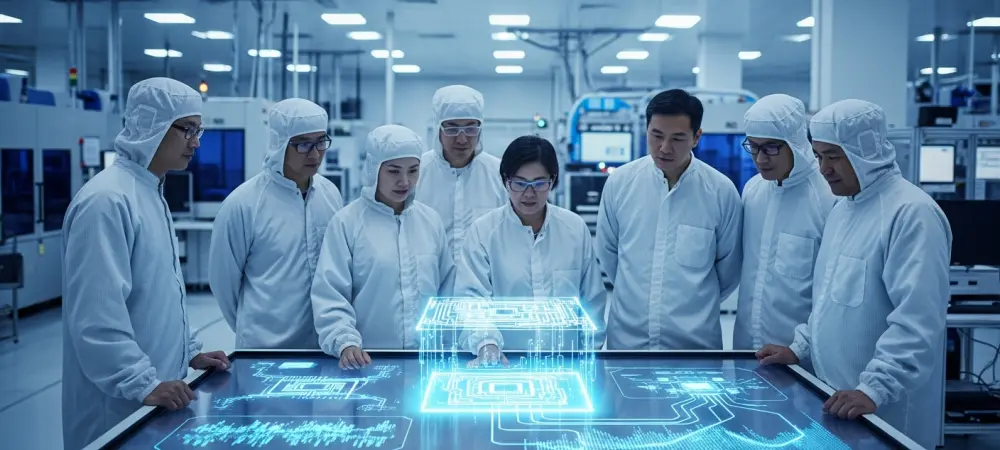
The rapid evolution of the global semiconductor landscape in 2026 demands a level of operational agility that traditional information technology frameworks are simply no longer equipped to handle effectively or sustainably. To address these complexities, Infosys and GlobalFoundries have announced a significant expansion of their strategic collaboration, aiming to transform the foundry’s global IT service delivery through a comprehensive, AI-led approach. This multi-year agreement centers on leveraging the Infosys Topaz platform to infuse generative artificial intelligence across the entire organizational fabric of GlobalFoundries, enhancing everything from shop-floor efficiency to corporate back-office functions. By integrating advanced machine learning models into daily operations, the partnership seeks to reduce downtime and accelerate the time-to-market for critical silicon solutions. This transition represents a shift from reactive support to a predictive, self-healing IT ecosystem that can anticipate bottlenecks before they impact production.
Transforming Semiconductor Operations: The Power of Generative Intelligence
The integration of AI-first strategies into the core of semiconductor manufacturing necessitates a move beyond standard automation toward truly cognitive systems that can learn and adapt in real time. Through this expanded partnership, GlobalFoundries will utilize the AI-powered capabilities of Infosys Topaz to streamline complex workflows within its high-volume manufacturing environments and global research hubs. This involves the deployment of sophisticated algorithms designed to optimize predictive maintenance for sensitive fabrication equipment, thereby minimizing the risk of costly unscheduled outages. Furthermore, the collaboration focuses on modernizing legacy infrastructure by replacing fragmented manual processes with unified digital platforms that offer a single source of truth for operational data. Such structural improvements allow for a more granular level of visibility into the supply chain, ensuring that every phase of the chip production lifecycle remains resilient against external fluctuations.
Generative artificial intelligence plays a pivotal role in this transformation by enabling more intuitive interactions between employees and the vast data repositories maintained by GlobalFoundries. By implementing AI-driven virtual assistants and automated knowledge management systems, Infosys aims to empower the foundry’s workforce with instantaneous access to technical insights and troubleshooting guides. This initiative significantly reduces the cognitive load on engineers, allowing them to focus on high-priority architectural innovations rather than getting bogged down by routine administrative or data-retrieval tasks. Moreover, the partnership introduces specialized AI wrappers for existing enterprise resource planning systems, making complex logistical data accessible through natural language queries. As these tools become more deeply embedded in the corporate culture, the speed of decision-making increases across all levels of the organization, fostering a more responsive and technologically advanced workplace environment.
Strategic Resource Management: Building Sustainable Industrial Autonomy
Strategic resource optimization lies at the heart of this collaborative effort, as it enables GlobalFoundries to reallocate its internal expertise toward core product development and market expansion strategies. By transitioning day-to-day IT management and application support to the expert teams at Infosys, the semiconductor manufacturer can achieve a leaner operational profile without sacrificing service quality or security. This global delivery model ensures that IT support is available around the clock, leveraging specialized talent pools across different geographies to maintain a continuous cycle of improvement and technical refinement. The shift also facilitates the upskilling of existing staff, who are now encouraged to engage with new AI tools and participate in cross-functional projects that drive competitive advantages. Consequently, the partnership acts as a catalyst for cultural transformation, where technology is viewed not just as a supporting utility but as a primary driver of business value.
The expanded partnership between these two industry leaders established a blueprint for how large-scale manufacturing entities successfully navigated the complexities of digital transformation in an AI-centric world. By prioritizing the integration of generative intelligence into every layer of the IT stack, the collaboration moved beyond mere cost-saving measures to create a truly intelligent enterprise capable of self-optimization. Organizations that looked to follow this path considered the necessity of a unified AI platform, like the one implemented here, to prevent the fragmentation of data and ensure that insights were actionable across different departments. It became clear that the success of such initiatives depended heavily on a culture that embraced technical change and provided workers with the tools to master new digital paradigms. This effort demonstrated that refining autonomous systems was essential to handle increasingly complex ethical and environmental considerations within the semiconductor industry.