

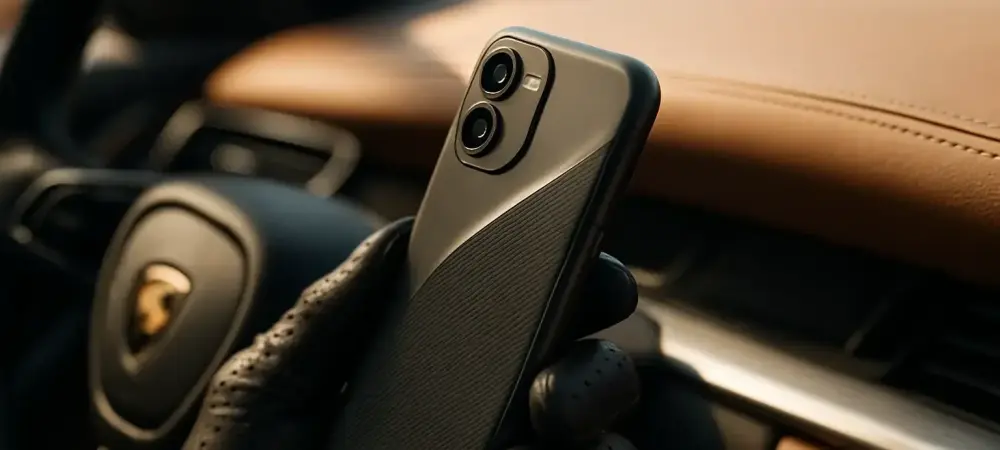
In an industry where innovation is often measured in megapixels and gigahertz, the convergence of high-performance automotive design and cutting-edge mobile technology signals a powerful shift toward aesthetics and brand identity. Infinix is set to redefine expectations for its next flagship device, announcing a strategic collaboration with Pininfarina, the legendary Italian design house responsible for some of Ferrari’s most iconic models. This partnership moves beyond simple co-branding, promising a device where form and function are sculpted with the same precision as a supercar.
When Supercar DNA Meets Smartphone Technology
The question of what happens when a design firm, legendary for sculpting automotive masterpieces, applies its creative philosophy to the device in our pockets is no longer hypothetical. Infinix is betting that the answer is a new class of flagship smartphone, one where the user’s tactile and visual experience is as prioritized as its internal specifications. The collaboration aims to infuse the principles of aerodynamics, premium materials, and ergonomic excellence, long the domain of luxury automobiles, into a handheld format.
This venture is a deliberate move to challenge the conventions of smartphone design, where rectangular slabs have become the default. By leveraging Pininfarina’s 95-year legacy, Infinix seeks to create a product that not only performs at a high level but also evokes an emotional response through its physical design. The goal is to craft a device that feels as good to hold as it looks, turning a utilitarian object into a piece of design art.
More Than a Sticker The Strategy Behind a High Design Partnership
In an increasingly crowded and competitive smartphone market, manufacturers are pushing beyond technical specifications to cultivate a distinct brand identity. Aesthetics and design have become crucial battlegrounds for consumer attention, prompting brands like Infinix to adopt a consistent strategy of elevating its perception through high-profile design collaborations. This approach aims to associate the brand with luxury, performance, and innovation.
This is not uncharted territory for the company. The partnership builds on the success of previous ventures, such as the collaboration with BMW’s DesignWorks for the Note 30 VIP Racing Edition, which featured a unique “Wings of Speed” textured back panel. Furthermore, the recent F1-inspired Note 40 series demonstrated a continued commitment to automotive and racing themes, proving that these collaborations resonate with a market segment that values both speed and style.
Unpacking the Collaboration A Masterpiece Designed by a Legend
The partnership was unveiled through a carefully orchestrated teaser campaign that hinted at a collaboration with an Italian design legend. Clues referencing “95 years of design” and the firm’s Italian origins, combined with its iconic logo, pointed directly to Pininfarina. The design house carries an unparalleled legacy, having crafted iconic looks for premier automotive brands like Ferrari and Alfa Romeo, which immediately sets a high bar for the smartphone’s aesthetics and material choices.
However, this design-forward approach is firmly supported by competitive hardware. Infinix has demonstrated its ability to pair style with substance, as seen in its current lineup with models like the GT 30 Pro 5G. This device features a 6.78-inch 1.5K 144Hz AMOLED display, a MediaTek Dimensity 8350 Ultimate chipset, and a massive 5,500mAh battery. With features like a 108MP main camera and 30W wireless charging, it is clear that the upcoming flagship will blend Pininfarina’s design prowess with a powerful technological core.
Voices from the Design Studio Fusing Form and Function
“Our philosophy has always been to integrate premium design with accessible technology,” noted an Infinix executive. “This collaboration with Pininfarina is the ultimate expression of that vision, allowing us to bring a level of artistry and ergonomic sophistication previously unseen in this segment.” This sentiment highlights the brand’s focus on democratizing high-end design for a broader audience.
A designer from Pininfarina commented on the unique challenge, stating, “Translating the fluid dynamics and emotional lines of a performance car to a handheld device requires a complete rethinking of scale and interaction.” “It is an opportunity to fuse our heritage of form and function into a new medium.” Past collaborations suggest this integration will be deep; the Note 30 VIP Racing Edition went beyond its exterior, featuring custom wallpapers and a fully race-themed user interface, indicating a similarly holistic approach is likely for the new flagship.
What This Means for Your Next Phone Key Expectations and Considerations
For consumers, this partnership signals the arrival of a device with a focus on premium materials, aerodynamic curves, and a superior in-hand feel. It is reasonable to expect a holistic design language where the software experience—including UI elements, icons, and wallpapers—is crafted to complement the physical hardware. The final product will likely represent a unique blend of Pininfarina’s luxury aesthetic with Infinix’s established, performance-oriented hardware.
When the device launches, its success will be measured by how authentically it integrates high-end automotive principles rather than merely borrowing aesthetic cues. A key consideration will be its value proposition: whether the collaboration creates a new benchmark for design in its price segment, offering a “masterpiece” experience that is both attainable and technologically competitive against its rivals.
The announcement of this partnership marked a significant moment for the industry, signaling that the pursuit of aesthetic excellence was no longer confined to the ultra-premium tier. It represented a strategic decision by Infinix to build a brand identity centered on the fusion of powerful technology and world-class design. This collaboration suggested that the future of smartphones would be defined not just by what they could do, but by how they made users feel.